

Choosing the right tile roofing color for your Florida home goes way beyond just picking a favorite shade. It's a delicate dance between aesthetics, energy efficiency, and sheer durability. The perfect color doesn't just complement your home's architecture—it actively battles the intense Central Florida sun, which can have a real impact on your energy bills.
Why Your Tile Roof Color Matters in Florida
Picking a tile roof color here in Central Florida isn’t just a cosmetic decision; it's a practical one that will affect your home's comfort and your wallet for years to come. Think of your roof as your home's first line of defense and its biggest style statement, all rolled into one.
The color you choose can either soak up that relentless Florida heat like a sponge or reflect it away, directly impacting how hard your air conditioner has to work.
For anyone living between the coastal breezes of Pinellas County and the bustling suburbs of Orlando, the right color palette truly makes a difference. Several key factors come into play when you're making this call:
- Climate Resilience: It’s no secret that lighter colors are better at reflecting sunlight. This simple fact helps keep your attic—and by extension, your entire home—cooler, which is a massive advantage in our hot, humid climate.
- Architectural Harmony: The color has to feel right for your home. Whether you have a classic Mediterranean villa, a sleek modern ranch, or a charming coastal cottage, the roof color should enhance its unique character, not fight against it.
- Curb Appeal and Value: A thoughtfully chosen roof color gives your home an instant facelift and can even boost its resale value. It's one of the very first things a potential buyer or even a passerby will notice.
To help you navigate these choices, we've put together a quick summary table outlining the most important considerations for homeowners in the Tampa to Orlando corridor.
Key Factors for Florida Tile Roof Color Selection
| Factor | Why It Matters in Florida | Popular Color Choices |
|---|---|---|
| Energy Efficiency | Reflecting solar radiation is key to reducing A/C costs in our hot climate. | Light grays, tans, beiges, terracotta, and whites. |
| Architectural Style | The roof color should complement the home's design (e.g., Mediterranean, Coastal). | Terracotta for Spanish-style, blues/grays for coastal homes. |
| HOA Guidelines | Many communities have pre-approved color palettes to maintain a cohesive look. | Always check your HOA documents for approved shades first. |
| Curb Appeal | A well-chosen color enhances the home's overall aesthetic and potential resale value. | Neutral and earth-toned blends often have the widest appeal. |
Ultimately, finding the right balance among these factors is what leads to a roof you'll love for decades.
This decision tree infographic breaks down the process, helping you weigh your home's style, our local climate, and your budget when deciding on a color.
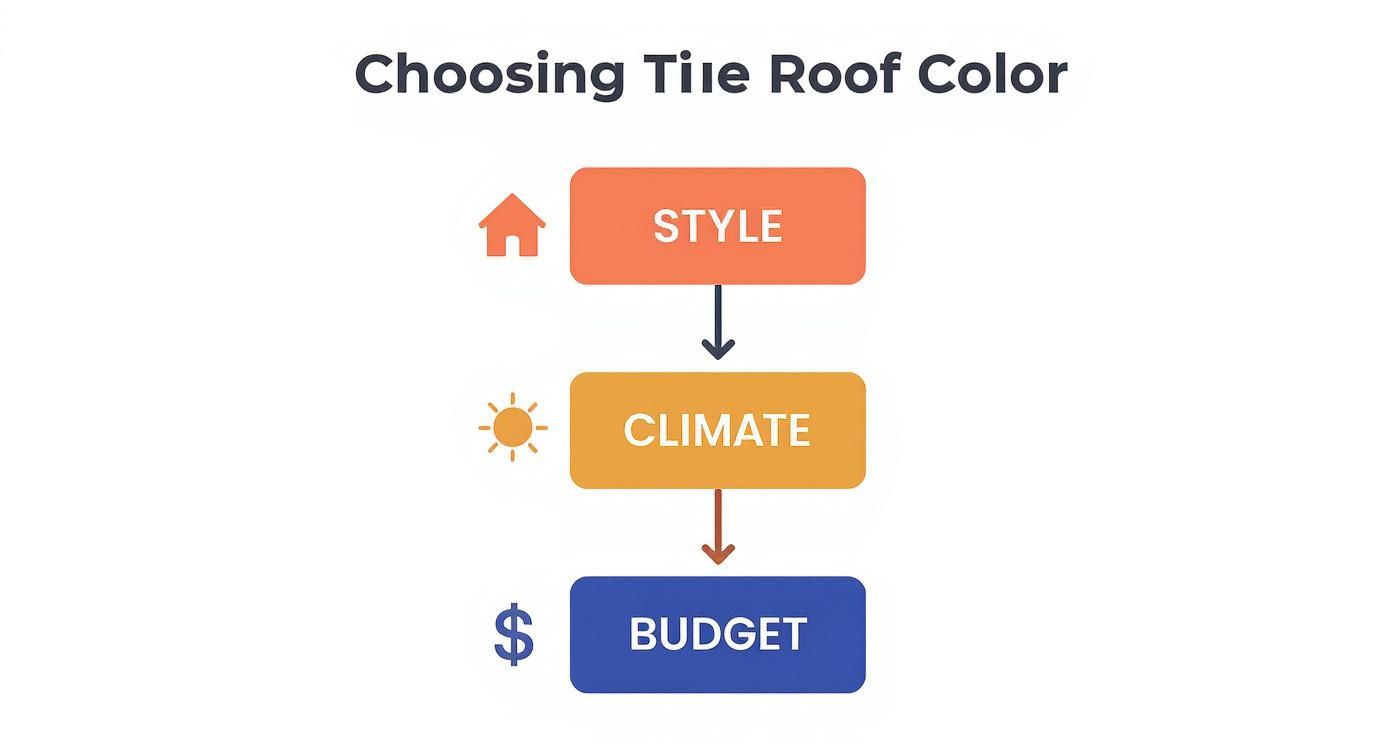
As the visual guide illustrates, when you balance these elements, you end up with a choice that’s not just beautiful but also perfectly practical for the long haul. Here at Hi Low Roofing, we specialize in walking Central Florida homeowners through this exact process, making sure your new tile roof is a perfect match for your home and your lifestyle.
How Roof Color Affects Your Home's Energy Efficiency
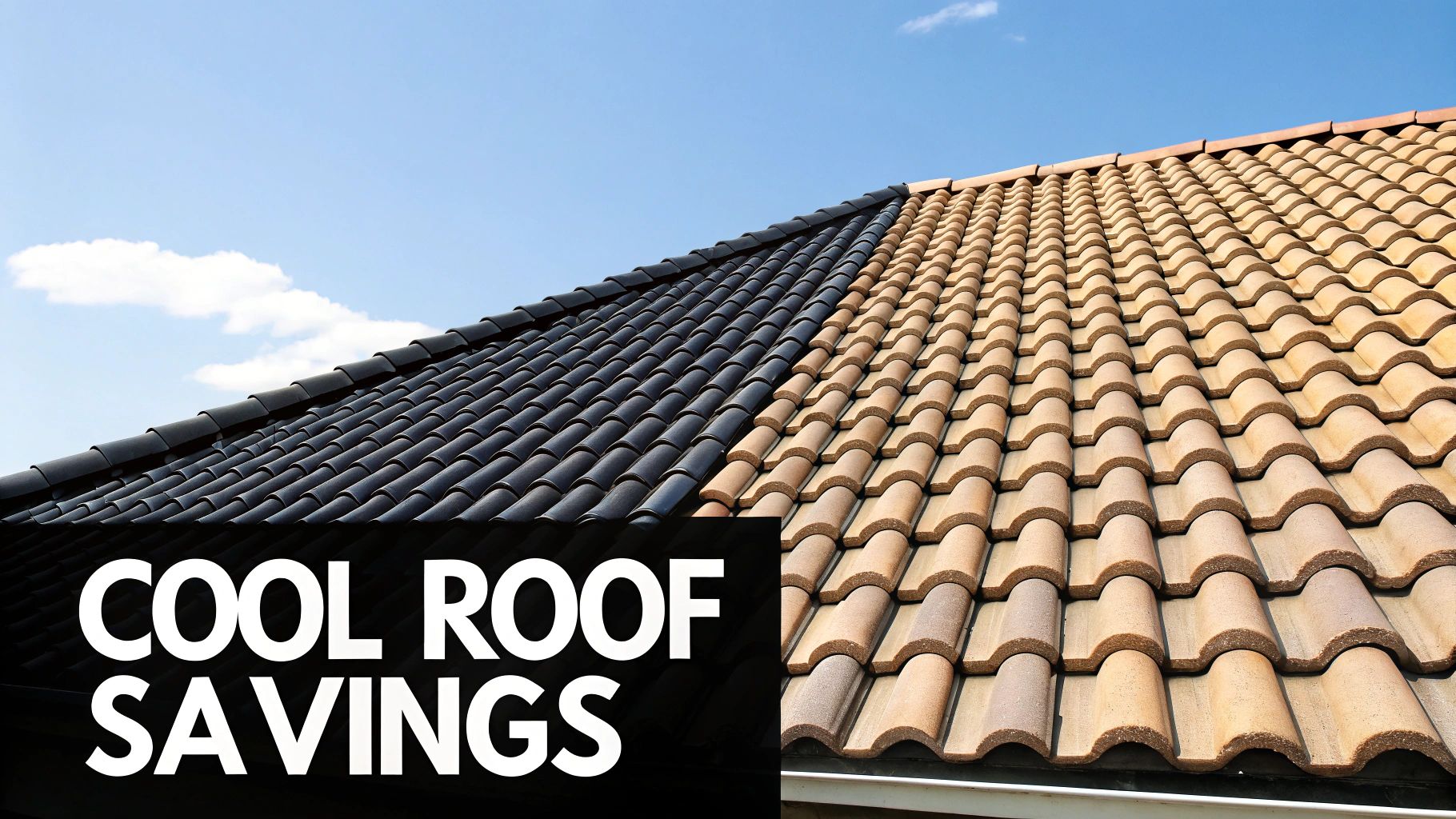
Living in Central Florida, we know a thing or two about the sun. The color you choose for your tile roof does more than just look good—it has a real, measurable impact on how hot your home gets and what you pay on your monthly power bill.
The science is simple. Think about what you’d wear on a scorching July day in Orlando. A black t-shirt soaks up the sun and makes you feel hotter, while a white one reflects the heat, keeping you much cooler. Your roof works the exact same way.
This is the whole idea behind what we call cool roofing. Lighter-colored tiles—think sandy tans, soft grays, and crisp whites—act just like that white t-shirt. They're specifically designed to bounce sunlight away and absorb far less heat than darker tiles.
Understanding Solar Reflectance and Thermal Emittance
So, how do we measure a roof's "coolness"? It all comes down to two key properties:
- Solar Reflectance: This is simply a measurement of how much sunlight a roof surface reflects. The higher the number, the more sunlight it bounces back and the less heat it soaks up.
- Thermal Emittance: This measures how well the roof releases the heat it has absorbed. A roof with high thermal emittance cools down quickly after the sun goes down.
A tile roof with both high solar reflectance and high thermal emittance is the gold standard. It stays much cooler throughout the day, which means less heat seeps down into your attic and living spaces. Your air conditioner gets a much-needed break and doesn't have to run constantly to keep your home comfortable.
This isn't a tiny tweak; it's a game-changer for Florida homeowners. Lighter-colored tiles are exploding in popularity for a reason. Across the U.S. and Europe, reflective "cool roof" tiles in shades of white, tan, or light gray can slash cooling costs by up to 20% during the hottest summer months.
Do Darker Colors Have Energy-Efficient Options?
But what if your home's style just screams for a rich, dark roof? Don't worry, you aren't out of luck. Modern roofing technology has come a long way, giving us "cool color" pigments that can be mixed into darker tiles.
These advanced pigments are engineered to reflect infrared light. You can't see it, but this invisible part of the solar spectrum is responsible for a huge chunk of the sun's heat.
While a "cool dark" tile won't be quite as efficient as a bright white one, it can offer a significant improvement over a standard dark tile of the same color. This allows homeowners to achieve a desired aesthetic without completely sacrificing energy performance.
This technology gives you the power to make a smart choice that delivers real savings, no matter which color family you lean toward. Of course, a cool roof is just one piece of the puzzle. It's always a good idea to compare solar screens vs window tint for heat rejection as another effective strategy to lower cooling bills.
Choosing an energy-smart roof is one of the best upgrades you can make for your home. If you want to dive deeper, you can learn more about our approach to energy-efficient roofing in Brandon and the surrounding communities.
Picking the Right Tile Roof Colors for Your Florida Home
Choosing a color for your tile roof can feel like a massive decision. With so many options out there, it's easy to get overwhelmed. But for most of us here in Central Florida, the best choices usually fall into one of three main color families. Whether you're living in a coastal community in Pinellas or a quiet Orlando suburb, these palettes are tailored to our specific climate and common home styles.
Think of these color families as your starting point. The goal is to find a color that not only looks great with your home's other features but can also handle the intense Florida sun. It’s about finding that sweet spot between stunning curb appeal and long-term practicality. Let's break down the most popular choices.
Timeless Earth Tones
You just can't go wrong with earthy shades. It's a classic choice for a reason. We're talking about colors like rich terracotta red, sun-baked sandy beige, and deep chocolate brown that give a house a warm, grounded feel. This palette is so flexible, which is why you see it all over Central Florida.
These tones pull their inspiration straight from nature—think clay, soil, and sand—giving them an organic warmth that looks fantastic next to lush, green landscaping. They have a unique way of feeling both traditional and completely up-to-date.
- Terracotta Red: This is the color everyone pictures when they think of a tile roof, and it's a perfect fit for Spanish and Mediterranean-style homes. It looks incredible with stucco exteriors in warm whites, creams, or even a soft yellow.
- Warm Beiges and Browns: For a softer, more neutral vibe, these shades are a great bet. A warm beige roof, for instance, works beautifully with homes painted in muted greens, subtle blues, or a classic off-white, creating a sophisticated look that doesn't shout for attention.
Breezy Coastal Hues
If your home is near the water or you just want to capture that relaxed, beachy feeling, coastal hues are the way to go. This palette is all about colors that bring to mind the sand and the sea, creating a light, airy look that’s quintessentially Florida.
As a bonus, these lighter shades are real workhorses when it comes to energy efficiency. They do a much better job of reflecting sunlight compared to darker colors.
When you pick a color from the coastal palette—like a light gray or a sandy tan—you're doing more than just making a style statement. You're embracing the idea of a "cool roof," which can genuinely help lower the temperature inside your home and give your AC a much-needed break.
This palette often includes:
- Sandy Tans: A light, sandy-colored tile roof is incredibly versatile. It looks stunning against homes with crisp white trim and siding painted in light blues, seafoam greens, or even a pop of coral.
- Soft Grays: Ranging from a pale dove gray to a deeper slate, these colors offer a more modern twist on the coastal look. They provide a cool-toned contrast that pairs exceptionally well with navy blue, bright white, or even bold black accents for a bit of drama.
Sleek Contemporary Shades
For homes with modern architecture, a bolder, more clean-lined color palette is usually the best match. Contemporary shades are all about making an impact through striking simplicity. This family is home to deep charcoals, crisp whites, and sleek monochromatic blends.
These colors create sharp, defined rooflines that really accentuate the geometric shapes of a modern home. They're the top choice for anyone aiming for a minimalist but powerful look. A charcoal gray or even a pure white tile roof can instantly modernize a property, giving it a polished, high-end feel.
Matching Roof Color to Your Home's Architecture
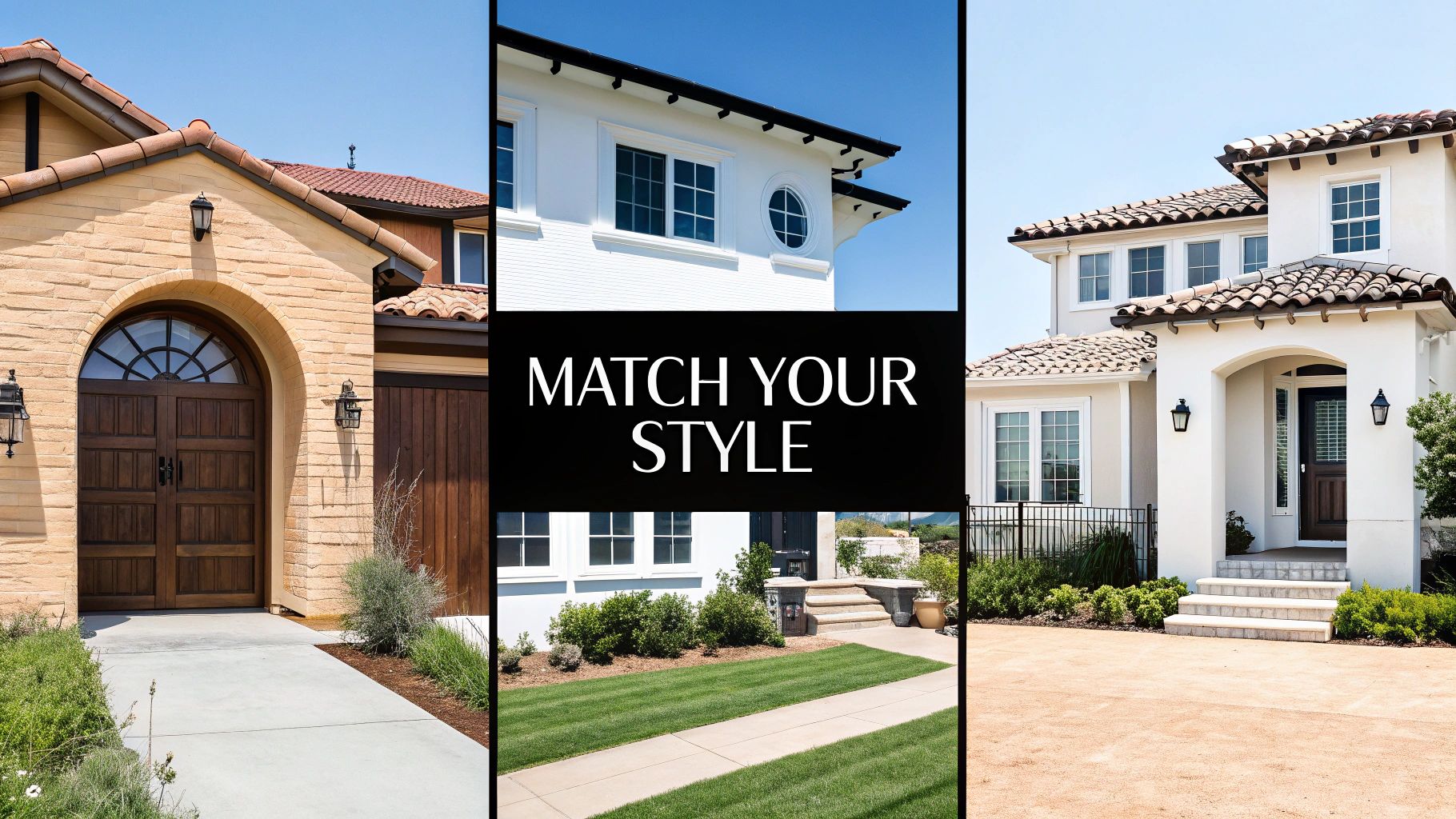
Think of your roof color as the frame for a piece of art—your home. The right frame makes the art pop, drawing your eye to its best features without stealing the show. In the same way, your tile roof color should be a natural extension of your home's architecture, tying everything together and seriously boosting its curb appeal.
A roof that clashes with the house can make the whole property feel… off. But when you get it right, the look is seamless, intentional, and polished. It’s all about creating a cohesive visual story. Let’s walk through how to match popular tile colors with the architectural styles we see all over Central Florida, from Pinellas County to Orlando.
For Mediterranean and Spanish Styles
You can't drive far around here without spotting a beautiful Mediterranean or Spanish-style home. With their signature stucco walls, elegant archways, and warm, inviting feel, these houses have a distinct personality. The best tile colors for them lean into that classic, Old World charm.
- Terracotta and Russet Blends: Let's be honest, nothing says "Mediterranean" quite like the timeless look of terracotta. These rich, earthy red-browns are practically made for stucco, creating an authentic and warm welcome.
- Warm Brown and Tan Blends: If you want something a little more subtle but still in the same family, a mix of warm browns and tans is a fantastic choice. It adds wonderful texture and depth while honoring the home's architectural roots.
For Modern and Contemporary Homes
Modern homes are all about clean lines, minimalist forms, and letting the structure speak for itself. The roof isn't just a covering; it's a key design element that has to maintain that sleek, uncluttered profile. For this, bold and crisp neutrals are your best friend.
Consider these options to complete a modern look:
- Charcoal and Deep Grays: These colors are powerful. They ground the home's design with a touch of sophistication and drama.
- Flat White Tiles: For a truly striking statement, a crisp white tile roof offers a stunning contrast, especially against dark exterior paint. It's a clean, bold, and undeniably modern choice.
It's no surprise that the demand for beautiful, long-lasting roofing is growing. In fact, the global roofing tiles market is expected to grow by USD 3.65 billion between 2024 and 2028. Clay tiles, celebrated for their durability and classic look, continue to lead the charge.
For Coastal Cottages and Ranch Homes
From breezy coastal cottages to classic Florida ranch homes, these styles are built for relaxed, easy living. The right roof color can enhance that laid-back vibe, connecting the house to its sunny surroundings. We're talking about lighter, softer colors that bring to mind sandy beaches and blue skies.
To achieve a cohesive and appealing look, it's vital to consider how your chosen tile roof color harmonizes with the overall exterior paint color combinations of your home.
Here are a couple of perfect matches:
- Sandy Beige: A light, neutral beige is the color of our gorgeous Florida beaches. It’s incredibly versatile and pairs well with almost any siding color you can imagine.
- Light Gray: A soft gray provides a cool, calming effect that perfectly suits a coastal aesthetic. It looks especially sharp next to crisp white or breezy blue exteriors.
Working with Your HOA and Local Rules
So, you've almost settled on the perfect tile color for your home in Central Florida. Before you get too attached, there's a crucial step that can't be overlooked: checking in with your Homeowners Association (HOA) and understanding local building codes.
From Tampa to Orlando, many neighborhoods have specific rules designed to keep the community looking cohesive. Ignoring them can lead to some serious headaches, like fines or even being forced to tear off your brand-new roof and start over. It's a costly mistake that's easy to avoid.
Think of your HOA's rules as a curated style guide for the neighborhood. They exist to maintain a certain aesthetic, which ultimately protects everyone's property values. Your very first move—before you even request a sample—should be to get a copy of your HOA's approved roofing color palette.
How the Approval Process Usually Works
Getting your choice approved doesn't have to be a bureaucratic nightmare. Most HOAs have a system in place, and the key is simply to follow their steps to the letter. You'll typically need to submit some paperwork outlining your project, including the exact tile material and color you want to use.
Here’s a simple game plan to keep things moving smoothly:
- Request the Guidelines: Before anything else, get a copy of the HOA's architectural guidelines. Zero in on the roofing section.
- Submit Your Selection: Complete the required application form. Make sure to include a physical sample of the tile color you’ve chosen. We can easily provide these samples for you to submit.
- Get It in Writing: This is the most critical step. Never order materials or allow work to begin until you have official, written approval from your HOA board. A verbal confirmation over the phone won't cut it.
Why Written Approval is Non-Negotiable
That piece of paper is your protection. It's concrete proof that you did your due diligence and got the green light to move forward. This document is your shield against any future claims or misunderstandings, ensuring your project can proceed without a hitch.
A classic homeowner mistake is seeing a roof color on a neighbor's house and just assuming it's okay. HOA rules can and do change over time. What was approved five years ago might not be on the list today. Always get fresh approval for your project.
Beyond the HOA, local building codes also play a big role, especially here in a region that sees its fair share of hurricanes. These codes often dictate what types of tiles are permitted and how they must be installed for safety. To get a better handle on materials built to withstand our weather, it’s worth learning about what goes into hurricane-proof roofing.
At Hi Low Roofing, we deal with these local codes and HOA requirements every day. We’ll help you navigate the paperwork and make sure everything is in order for a stress-free installation.
Time to Make It Happen with Hi Low Roofing
Choosing the right color for your tile roof is a big deal, but hopefully, you're now feeling much more confident about making the right call. It all comes down to finding that sweet spot between Florida's weather demands, your home's architectural style, and any HOA rules you need to follow. Getting that balance just right is where having a pro in your corner makes all the difference.
At Hi Low Roofing, we walk homeowners through this exact process every single day, from the coastal vibes of Pinellas County to the bustling suburbs of Orlando. We don't just hand you a catalog of swatches. Our experts bring actual, physical tile samples right to your driveway so you can see firsthand how different colors and textures look in real daylight against your home's siding and trim.
Your Personalized Consultation
We're not here to pressure you into a decision. Our whole approach is about giving you the expert advice and information you need to pick a roof you'll be happy with for years and years to come.
During our free consultation, we'll talk through your ideas, take a look at what your home needs, and find that perfect mix of looks, energy efficiency, and cost. Think of it as a partnership where the only goal is getting the result you want.
Thinking About Solar? Now's the Time.
While you're planning for a new roof, it’s the perfect moment to consider long-term energy savings. Tying in solar panels with a new tile roof installation is a smart move for the future. As a company that specializes in both roofing and solar solutions, Hi Low Roofing can provide a seamless, integrated process.
In fact, some market analyses predict that by 2025, over 30% of sloped roofs will have solar modules, often designed to work seamlessly with tile systems. You can discover more about roofing tile market trends and see how you can boost your home’s value and cut down on energy bills.
Ready to see what's possible? Contact Hi Low Roofing today to set up your free, in-home consultation.
Common Questions About Tile Roofing Colors
When it comes to picking a tile color, Central Florida homeowners always have some smart questions. Getting the right answers is the key to making a choice you'll be happy with for decades. Let's tackle a few of the most common ones we hear.
How Much Can Lighter Tiles Save Me on Energy Bills?
Switching to a lighter, more reflective tile color can definitely put a dent in your cooling costs, but the exact savings depend on a few things. Here in the Orlando area, we've seen homeowners trim their cooling expenses by 10% to 20%.
That number can swing based on your home’s current insulation, how energy-efficient your windows are, and of course, how much you run the A/C. Think of a light-colored roof as one part of a bigger energy-saving system.
Will a Dark Tile Roof Fade Faster in the Florida Sun?
That’s a perfectly logical question, especially with our intense sunshine. The good news is that modern roof tiles are built for this.
Top-quality tiles are made with UV-resistant coatings baked right into the color glaze. This layer works like a powerful, long-lasting sunscreen for your roof, protecting even the deepest charcoals and richest browns from significant fading.
Can I Mix Different Tile Colors for a Custom Blend?
You bet! Creating a custom color blend is one of the best ways to give your home a truly unique, textured look that stands out. It adds a ton of character.
We often help homeowners design a mix of two or three complementary shades, like blending a few different grays or weaving terracotta with a soft tan. Our team makes sure the final look is not only stunning but also gets the green light from your HOA. Keeping that beautiful blend looking fresh for years also means knowing how and when to power wash your tile roof.
Ready to see how different tile roofing colors will look on your Central Florida home? The expert team at Hi Low Roofing is here to help. Schedule your free, no-obligation consultation today!
