
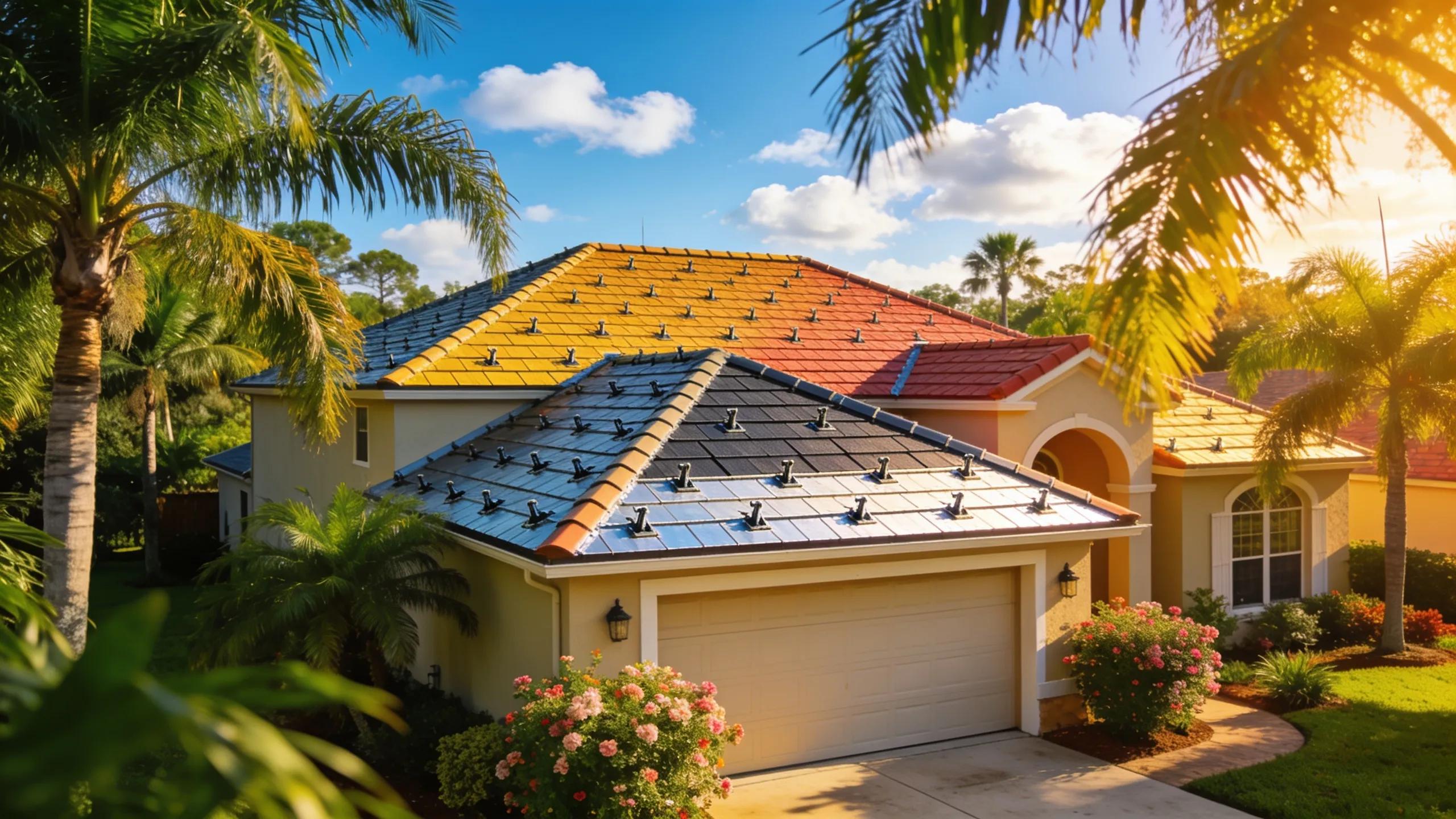
Essential Tips for Protecting Your Roof Against Storm Damage in Central Florida
By Ben Benkiran, Hi Low Roofing and Solar
Protecting your roof in Central Florida preserves both your home’s value and safety. Storms bring high winds, heavy rain and flying debris that can damage roofs quickly. This article provides concise, practical steps—preventive checks, maintenance priorities and clear damage signs—to help you protect your roof and know when to call experts to secure your home.
Key Takeaways
- Inspect roofs before hurricane season.
- Use durable materials like metal or impact shingles.
- Keep regular maintenance and emergency plans.
- Get professional inspections after major storms.
- Watch for missing shingles, stains, or sagging.
- Storm-resistant roofs save money and energy long-term.
- Solar panels can add protection and backup power.
- Clean gutters and repair promptly after storms.
- Contact roofing experts quickly after damage.
Essential Tips for Roof Protection
Simple, targeted actions strengthen your roof against storms.
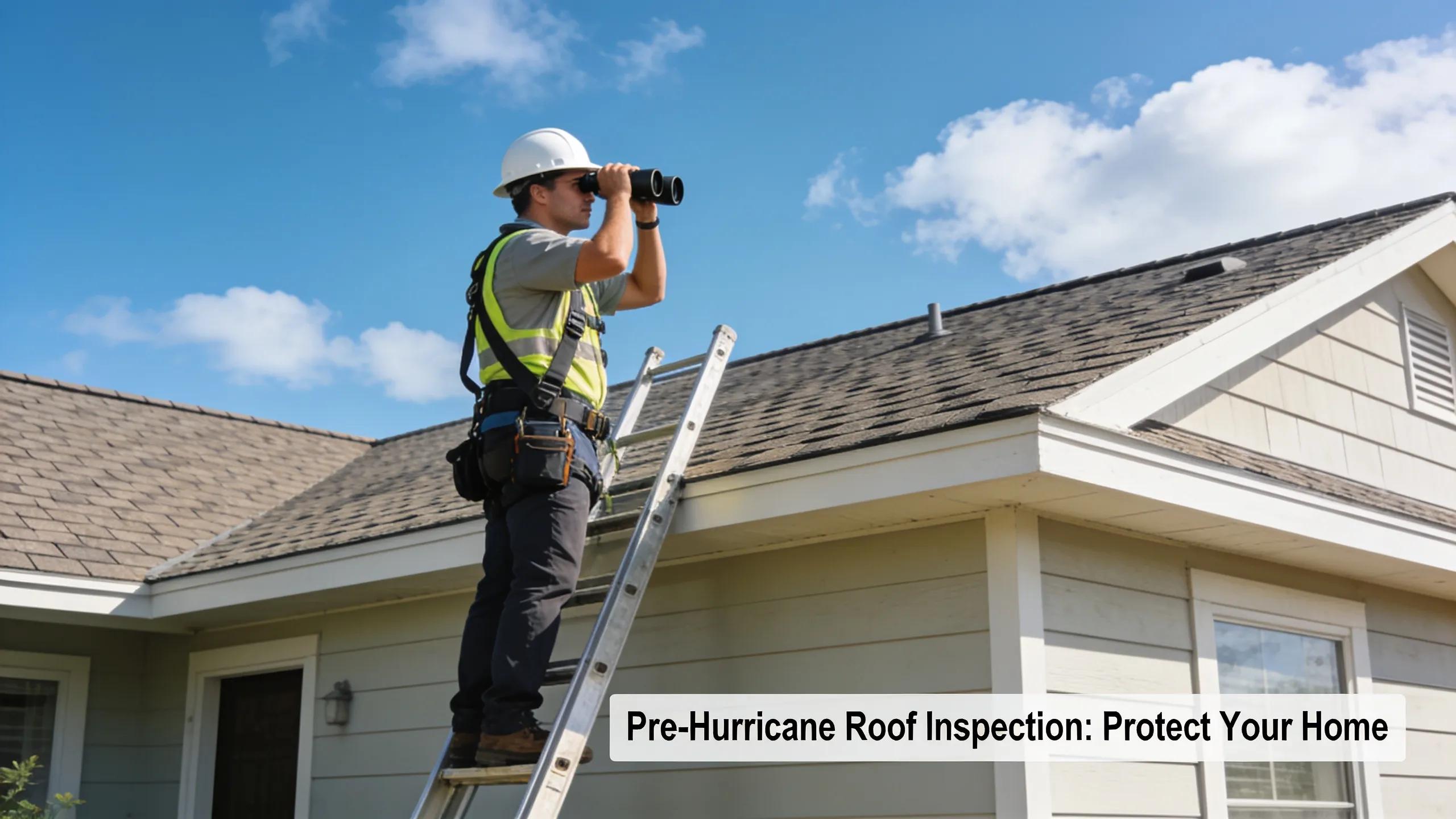
- Pre-Hurricane Inspections: Schedule a pre-season inspection to find weak spots before storms.
- Durable Materials: Choose wind- and rain-resistant roofing like metal or impact-resistant shingles.
- Reinforce Weak Areas: Secure flashing, vents and chimney connections to reduce leak risk.
Combined, these steps cut the chance of major storm damage.
Preventive Measures
Routine prevention improves storm readiness and reduces repair needs.
- Emergency Preparedness: Keep a plan and supplies to secure loose items and utilities.
- Regular Maintenance: Inspect and fix small issues before they become large problems.
- Documenting for Insurance: Photograph and record damage after storms to support any claims.
These measures help homeowners respond faster and more effectively to storm damage.
Best Practices
Adopt tested maintenance habits to extend roof life and resilience.
- Quality Materials: Use proven products rated for severe weather.
- Know Local Threats: Understand wind-driven rain, hail and debris risks in Central Florida.
- Professional Inspections: Schedule experts annually or after severe events for reliable assessments.
Following these best practices keeps roofs in better condition year-round.
How to Identify Roof Damage After a Storm in Central Florida
Assess your roof promptly after a storm to limit repairs. Use a safe, methodical approach.
- Signs to Look For: Missing shingles, crumpled areas, ceiling stains or interior leaks.
- Inspection Methods: Inspect from the ground or hire a professional rather than climbing alone.
- Tools for Assessment: Binoculars and a flashlight help check the roof and attic for leaks.
Early checks help decide if you need professional repair.
What Are the Common Signs of Roof Storm Damage?
Quick recognition lets you act before problems worsen.
- Missing Shingles: Exposed areas may indicate broader damage.
- Water Stains: Ceiling or wall stains often mean leaks.
- Sagging Roofline: Sagging suggests structural stress and requires prompt attention.
Address these signs promptly to avoid escalating repairs.
When Should You Schedule a Professional Roof Inspection?
Timely professional inspections prevent small issues from becoming large ones.
- Post-Storm: Arrange an inspection after any damaging weather.
- Regular Frequency: Inspect at least once a year or after major weather events.
- Immediate Triggers: Interior water spots or visible shingle damage warrant quick professional review.
Prompt inspections maintain roof condition and reduce risk of bigger problems.
Which Roofing Materials Offer the Best Resistance to Storms in Central Florida?
Choosing resilient materials affects repair frequency and overall lifespan. Common resilient options include:
- Metal Roofing: High wind resistance and long lifespan.
- Impact-Resistant Shingles: Better protection against hail and debris.
- Tile Roofs: Durable when properly installed and maintained.
Pick materials based on durability, cost and installation quality.
How Do Impact-Resistant Shingles Compare to Metal Roofing?
Compare lifespan, cost and installation to choose what fits your needs.
- Durability: Metal typically lasts longer; impact shingles are also strong.
- Cost: Metal has higher upfront cost but may save long-term.
- Installation: Proper installation from experienced contractors is key for either choice.
These points guide a practical material choice for storm-prone homes.
What Are the Benefits of Using Storm-Resistant Roofing Materials?
Storm-resistant materials reduce repairs and often lower insurance costs.
- Long-Term Savings: Fewer repairs and replacements over time.
- Insurance Benefits: Possible premium discounts for resilient roofs.
- Energy Efficiency: Better heat reflection can lower cooling costs.
Investing in resilient roofing adds protection and long-term value.
How Can Solar Panels Enhance Roof Protection Against Storm Damage?
Solar panels offer energy benefits and can add a protective layer when installed correctly.
- Energy Independence: Panels and batteries reduce reliance on the grid during outages.
- Storm Resilience with Batteries: Backup systems keep critical power running after storms.
- Long-Term Savings: Solar lowers utility costs over time.
Consider solar as part of a broader storm-preparedness plan.
In What Ways Do Solar Panels Contribute to Roof Durability?
When installed properly, panels can protect shingles and the roof beneath.
- Integration: Proper installation protects the roofing under the panels.
- Shielding: Panels can block some debris and wind-driven rain.
- Aesthetics: Panels can blend with roof design when installed well.
Solar adds functional and aesthetic value for many homeowners.
What Are the Energy and Storm Resilience Benefits of Solar Roof Systems?
Solar combines energy savings with resilience advantages.
- Energy Savings: Lower monthly energy expenses.
- Property Value: Solar often increases home resale appeal.
- Environmental Benefits: Reduces household carbon footprint.
Solar roofs are worth considering for long-term resilience and savings.
What Are the Most Effective Maintenance Tips to Extend Your Roof’s Lifespan Post-Storm?
Prompt maintenance after storms preserves structural integrity and prevents further damage.
- Regular Inspections: Check roofs after storms to catch issues early.
- Gutter Maintenance: Keep gutters clear to avoid backups and leaks.
- Timely Repairs: Fix damaged shingles or flashing promptly.
These routine actions extend service life and reduce costly repairs.
How Often Should You Perform Roof Cleaning and Minor Repairs?
Establish a cleaning and repair schedule based on local conditions.
- Cleaning: Clean at least once a year, more if debris-prone.
- Importance: Regular cleaning prevents algae, moss and buildup.
- Minor Repairs: Address small issues immediately to avoid escalation.
Consistent care lowers the risk of long-term damage.
When to Contact Hi Low Roofing for Expert Storm Damage Repairs and Free Estimates?
Use these guidelines to decide when to reach out to professionals.
- Damage Indicators: Significant missing shingles, leaks or structural issues warrant contact.
- Response Times: Hi Low Roofing prioritizes urgent needs and often responds within 24–48 hours.
- Free Estimates: Schedule a free estimate for an expert evaluation and recommended repairs.
Contacting professionals promptly ensures faster assessments and effective repairs.
Conclusion
Proactive roof protection reduces storm-damage risk and preserves your property’s safety and value. Choose resilient materials, keep a regular inspection routine and hire experienced roofers for timely repairs. Start reinforcing your roof now to improve resilience against future storms.
