
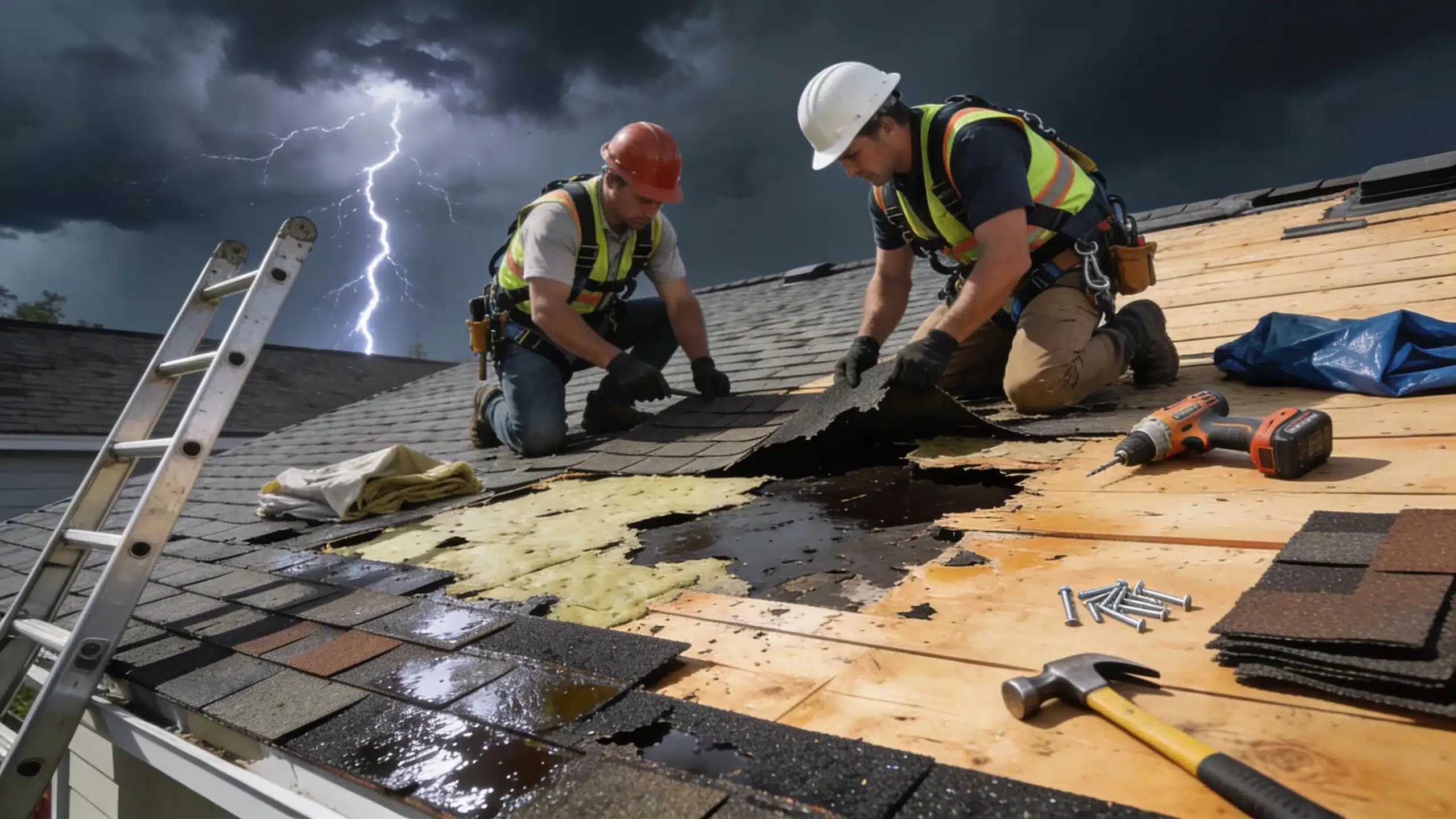
Understanding the Storm Damage Roof Repair Timeline in Central Florida: How Long Does the Process Take?
By Ben Benkiran, Hi Low Roofing and Solar
After severe weather in Central Florida, knowing typical roof repair timelines helps homeowners plan recovery and reduce stress. This guide summarizes the stages — from assessment to final inspection — and the main factors that affect how long repairs take.
Key Takeaways
- Timelines vary by repair type, damage severity, and roof characteristics.
- Minor fixes usually take 2–4 hours; larger repairs may span a day or more.
- Accurate assessments and professional inspections are essential for planning and claims.
- Insurance processing and adjuster visits can delay repair starts.
- Emergency measures like tarping limit further damage and speed recovery.
- Roof size, pitch, and material affect access, labour, and schedule.
- Timely documentation and understanding coverage improve claim and scheduling outcomes.
- Typical stages: assessment, documentation, materials, repair, cleanup, final inspection.
- Prompt temporary protection reduces damage and simplifies restoration.
The timeline for roof repair in Central Florida varies based on several factors:
Repair time depends on the repair type and damage extent; weather, roof complexity, and materials also shape schedules.
Type of Repair:
Minor repairs address isolated problems, while major repairs involve structural or decking work and need more time.
- Minor Repairs: Replacing a few shingles or sealing flashing — typically 2–4 hours.
- Major Repairs: Fixing leaks or damaged decking — may require a full day or longer.
Identify the repair category early to set realistic contractor expectations.
Factors Influencing Duration:
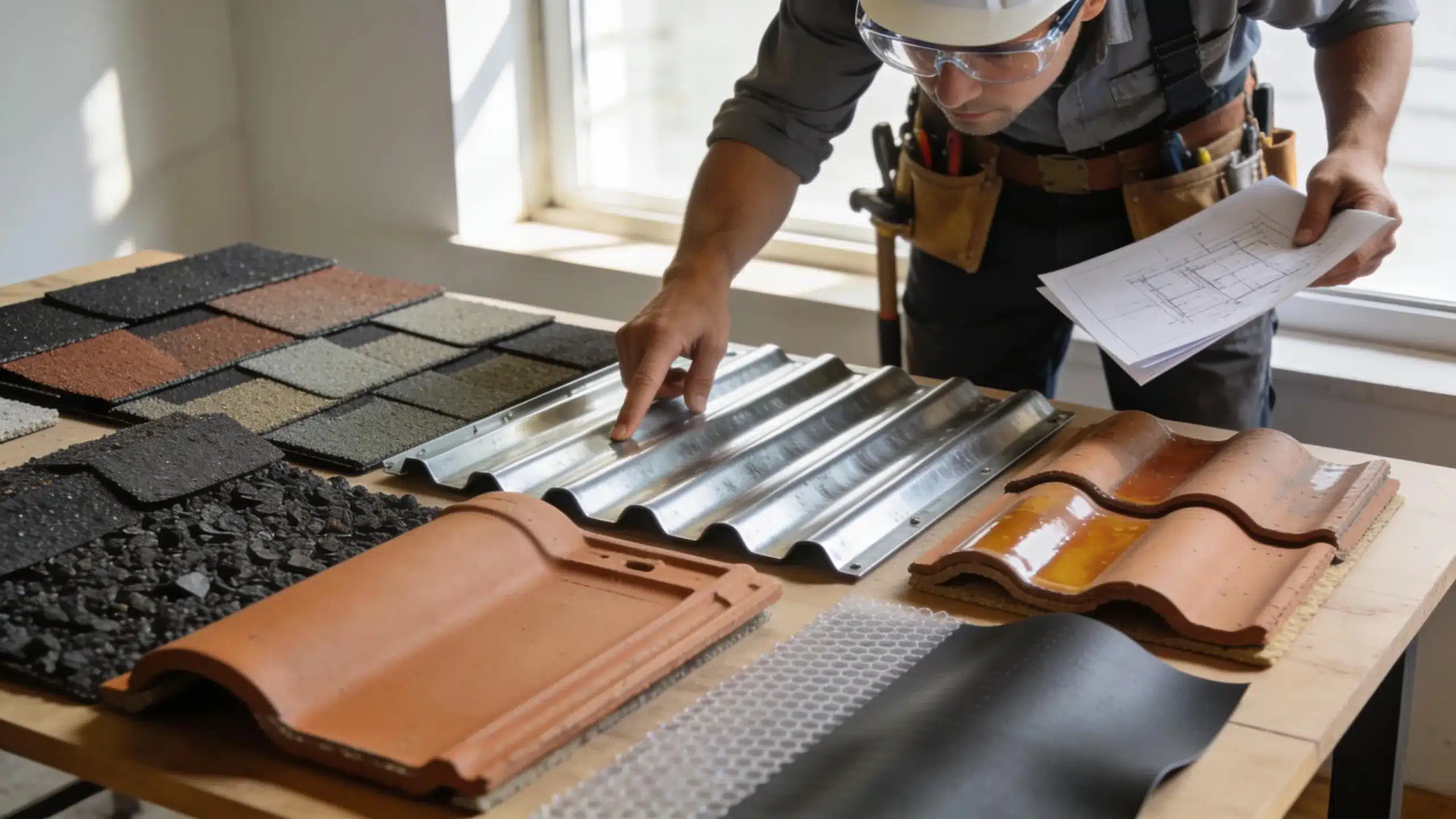
Size, pitch, material and hidden damage affect access, labour needs, and the repair approach.
- Roof Size and Pitch: Larger or steeper roofs take longer due to access and safety measures.
- Extent of Damage: Hidden issues discovered during work add time for proper repair.
- Material Type: Some materials (tile, metal) require specialist techniques and can extend schedules.
Ask contractors about these specifics when scheduling work.
Repair Process Steps:
Repairs normally follow this sequence: assessment, documentation, material procurement, repair work, cleanup, and final inspection.
- Assessment: Inspect to determine visible and likely hidden damage.
- Documentation: Record findings for the homeowner and insurer.
- Repair Work: Remove damaged materials and install replacements.
- Cleanup: Remove debris and secure the site.
- Final Inspection: Walkthrough to confirm repairs and answer questions.
Clear communication and checkpoints help keep each stage on schedule.
What Are the Initial Steps in Assessing Storm Damage to Your Roof?
Start by confirming safety, identifying visible damage, and documenting conditions for contractors and insurers.
- Safety Checks: Ensure the area is safe before inspecting.
- Visual Inspections: Use binoculars for an initial roof scan from the ground.
- Documentation: Photograph and note damage to support a claim.
Early evidence speeds contractor estimates and insurance reviews.
How Does a Professional Roof Storm Damage Inspection Work?
Inspectors typically begin inside (attic) and then examine the exterior, documenting leaks, missing components, and flashing issues.
- Initial Assessment: Look for interior signs of leaks or insulation damage.
- Exterior Inspection: Check shingles, flashing, and roof penetrations for visible damage.
- Documentation: Photos and notes support repair plans and claims.
This structured inspection yields a clear scope for repairs.
Why Is the Initial Damage Assessment Critical for Repair Timelines?
A prompt, thorough assessment secures the property, identifies priorities, and reduces the chance of later surprises.
- Securing the Area: Early checks reduce safety risks and further loss.
- Professional Evaluations: A rapid professional review helps speed claims and scheduling.
- Preventing Further Damage: Timely action limits escalation that would lengthen repairs.
Fast assessment shortens overall restoration time.
How Does the Insurance Claims Process Affect Storm Damage Roof Repair Duration?
Insurance steps often determine when permanent repairs start; complete documentation and adjuster access are key to avoiding delays.
- Documentation is Key: Insufficient proof will slow claim approval and repairs.
- Adjuster Inspections: Adjuster visits can add days before work begins.
- Claims Processing Length: Complexity and insurer workload can extend approval from days to weeks.
Prepare documentation and stay engaged with your insurer to keep timelines moving.
What Are the Key Steps in Navigating Insurance for Storm Damage Repairs?
Document damage, review policy coverage, and attend adjuster visits with a professional to ensure all damage is recorded.
- Documenting Damage: Photos and detailed notes strengthen a claim.
- Understanding Policy Coverage: Know what your policy will or will not cover.
- Meeting with Your Adjuster: Be present with a contractor to ensure full documentation.
Being prepared reduces negotiation and scheduling delays.
How Long Does Insurance Processing Typically Take in Central Florida Storm Cases?
Times vary: assembling a claim can take days, and approval may range from a few days to several weeks, especially after widespread storms.
- Initial Claim Documentation: Gathering evidence and filing can take several days.
- Claim Approval Process: Approval depends on complexity and insurer capacity and may take days to weeks.
- Impact of Weather: Large storm events increase claim volumes and extend timelines.
Factor insurance windows into repair scheduling.
What Are the Typical Time Frames for Each Stage of Storm Damage Roof Repair?
Assessments often occur within hours; material procurement may take days to a week; replacements for typical homes are often completed in a day, while complex roofs require more time.
- Initial Assessment: Usually within hours after reporting.
- Material Procurement: A few days to a week for standard materials.
- Repair Work: Simple replacements or repairs may take a day; larger jobs need additional days.
- Final Inspections: Typically a few hours for the walkthrough.
Use these averages to plan temporary protections and contractor access.
How Long Does Roof Repair Take From Emergency Protection to Completion?
Emergency tarping can often be done the same day; full repairs range from a day for minor fixes to several weeks for extensive restoration.
- Emergency Protection Measures: Temporary tarping and stabilization are often immediate.
- Repair Duration: Time depends on severity — from one day to several weeks for complex repairs.
- Completion Confirmation: Final sign-offs follow once work and cleanup are done.
Coordinating contractors, inspections and insurers clarifies the path from temporary protection to completion.
Which Roofing Materials Influence Repair Duration After Storm Damage?
Material choice affects repair methods and timing: asphalt shingles are common and easier to source, while tile and certain metal systems may need specialists.
- Material Durability: Durable materials can reduce frequency of repairs but may still require specialist work when damaged.
- Repair Complexity: Some materials demand skilled labour and specific techniques.
- Emergency Measures: Material type shapes temporary protection needs (tarping, securing loose components).
Factor material effects into your repair planning. For Central Florida roofing needs, consider Hi-Low Roofing Specialists.
How Can Emergency Roof Repair Services Shorten the Storm Restoration Time?
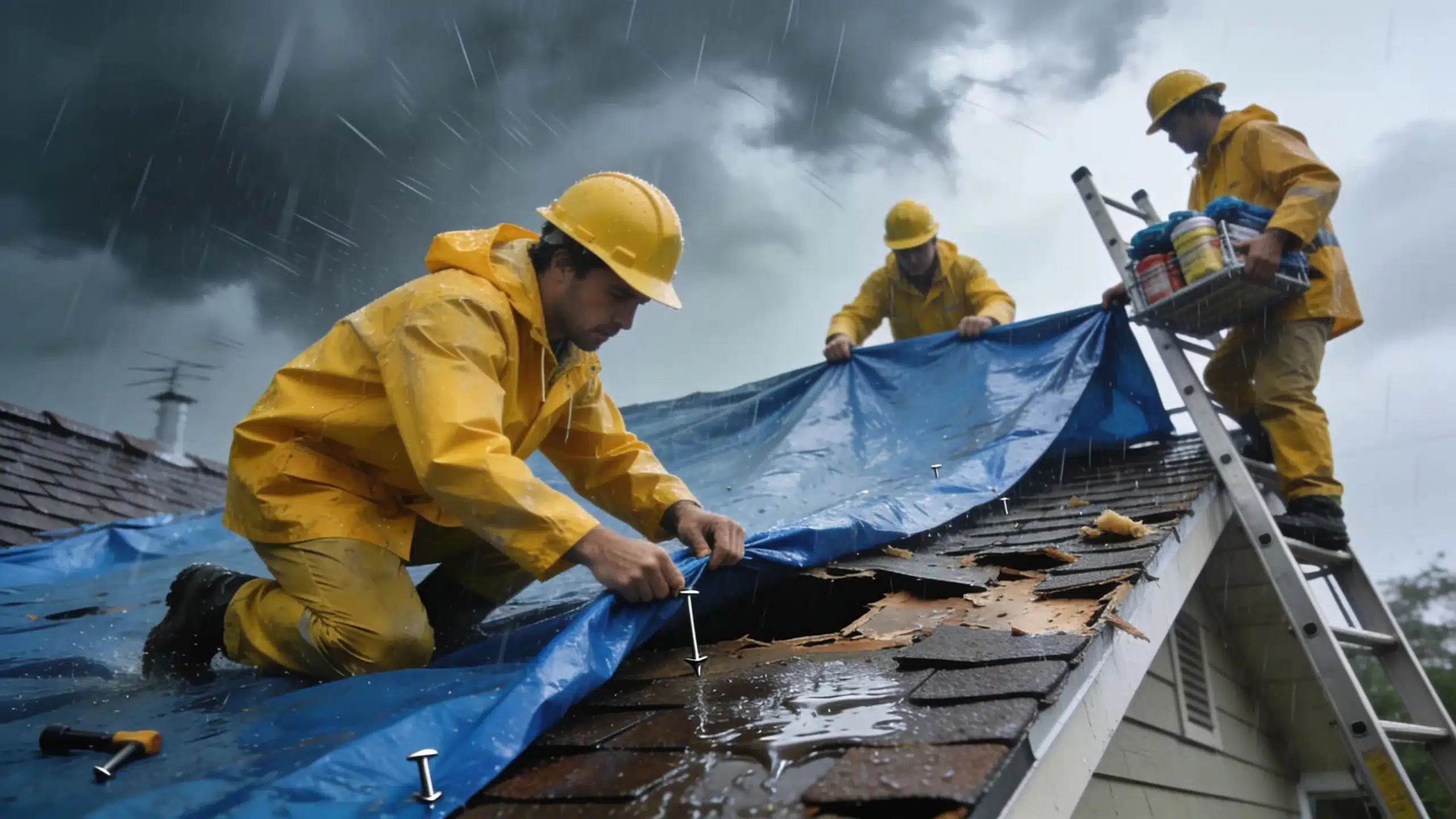
Emergency teams stabilise damage, document conditions, and enable faster insurer and contractor coordination.
- Immediate Dispatch: Quick response teams perform timely assessments and interventions.
- Safety Assessment: They verify conditions are safe for repair work.
- Emergency Tarping: Heavy-duty tarps limit water intrusion until permanent repairs proceed.
Quick interventions reduce additional water damage and structural deterioration.
What Immediate Protection Options Are Available After Storm Damage?
Options include emergency inspections, photo documentation, and temporary tarping to prevent further water entry while full repairs are scheduled.
- Emergency Inspections: Schedule an immediate inspection to capture all damage.
- Documentation: Early photos and notes support claims and planning.
- Preventing Water Damage: Temporary tarping limits additional interior and structural harm.
These steps protect property and provide the documentation insurers and contractors need.
How Do Emergency Repairs Impact the Overall Repair Timeline?
Prompt emergency repairs reduce the scope of damage, prevent secondary issues, and clarify repair priorities for contractors and insurers.
- Minimized Damage: Immediate action simplifies later repairs.
- Avoiding Delays: Addressing damage quickly prevents escalation that adds time.
- Professional Evaluations: Fast on-site evaluations speed the decision-making process.
Being proactive helps keep the overall restoration period shorter.
Conclusion
Knowing the typical timeline and acting quickly with emergency protection and thorough documentation shortens recovery and eases insurance coordination. Contact our team to discuss your roofing needs and the next steps for restoration.
