

Understanding Our Roof Repair and Replacement Warranties: Complete Coverage and Claims Guidance
By Ben Benkiran, Hi Low Roofing and Solar
Roofing warranties define which material defects and installation issues are covered and under what conditions. This guide summarises warranty types, coverage limits, the claims workflow, maintenance obligations, and the documentation homeowners should keep. It also outlines the warranty options Hi Low Roofing & Solar offers in Central Florida to help you evaluate coverage.
Key Takeaways
- Warranties protect homeowners against material defects and installation faults.
- Manufacturer warranties cover material defects; workmanship warranties cover installation quality.
- Warranty validity requires meeting maintenance obligations like inspections and care.
- Keep documentation: proof of purchase, repair records, and inspection reports.
- Hi Low Roofing provides manufacturer-backed coverage and lifetime workmanship warranties suited for Central Florida.
- The claims process requires documenting issues, submitting records, and keeping communication open.
- Storm coverage varies by warranty; workmanship guarantees usually exclude storm damage.
- Regular professional inspections and clean gutters help preserve coverage.
- Certified inspections supply documentation that supports claims and financial protection.
Types of Warranties:
Warranties address different risks for repairs and replacements.
- Manufacturer’s Warranty: Covers defects in roofing materials for a specified period. Verify the coverage period and any conditions for validity.
- Workmanship Warranty: Provided by the contractor to cover installation quality and corrective work for installation faults.
- Conditions for Validity: Both warranty types usually require routine maintenance and inspections to remain in effect.
Understanding these categories helps you choose appropriate coverage for your project.
Coverage Details:
Warranties list covered defects, required maintenance, and common exclusions.
Typical coverage items include:
- Specific defects (cracks, leaks, material failures).
- Maintenance tasks (regular inspections, proper care).
- Exclusions (often storm damage or improper system use).
Follow warranty requirements to avoid voiding coverage and to address issues early.
Claims Guidance:
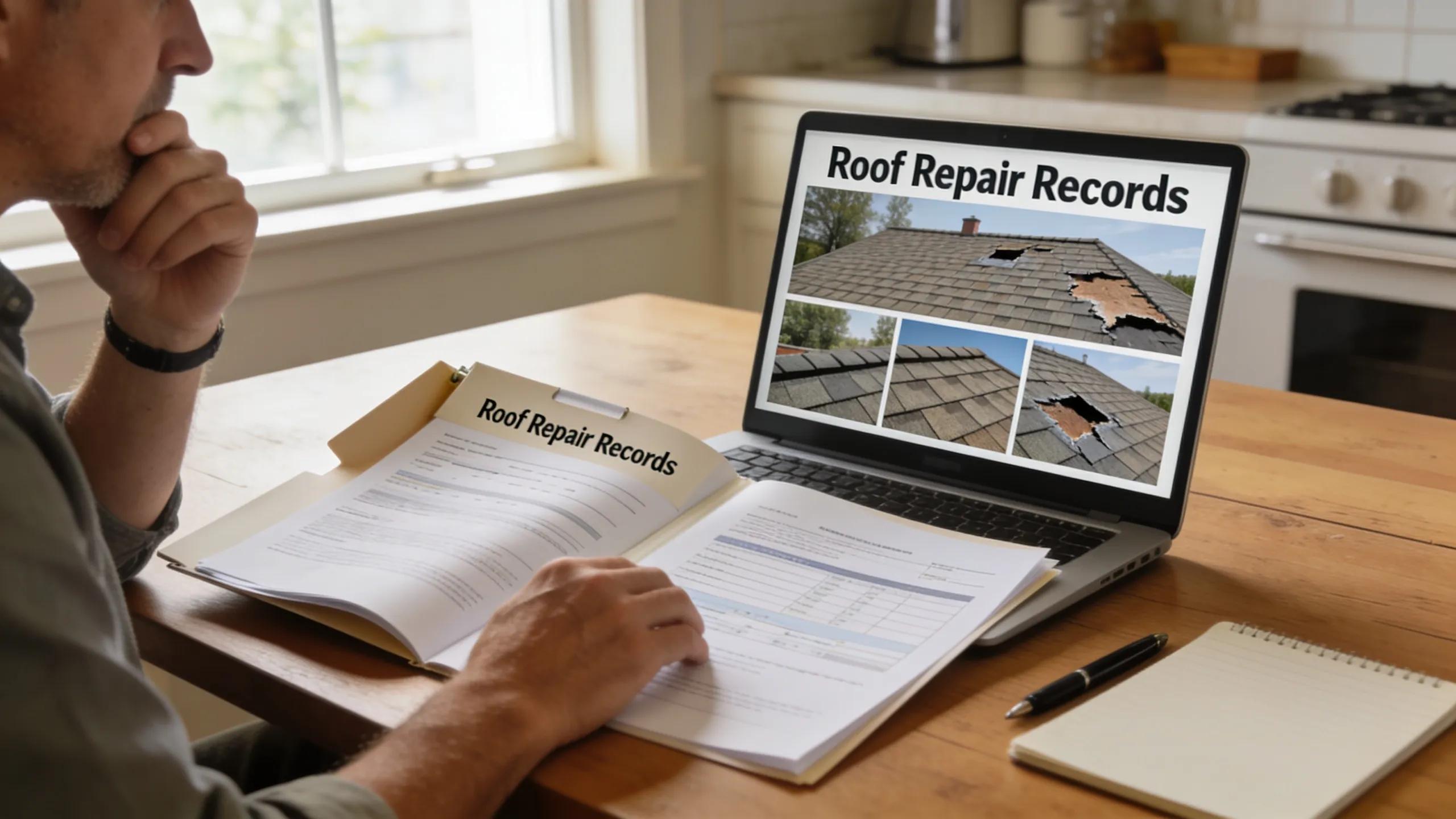
The claims process follows practical steps to reduce delays and disputes.
- Documenting Repairs: Keep photos, invoices, and repair records to support claims.
- Insurance Claims Process: Coordinate with your insurer when required and clarify overlaps with warranty coverage.
- Role of Hi Low Roofing in Claims: Hi Low Roofing & Solar assists with documentation and facilitation of claim submissions.
Accurate records and clear submissions speed resolution and reduce disagreements.
Maintenance Recommendations:
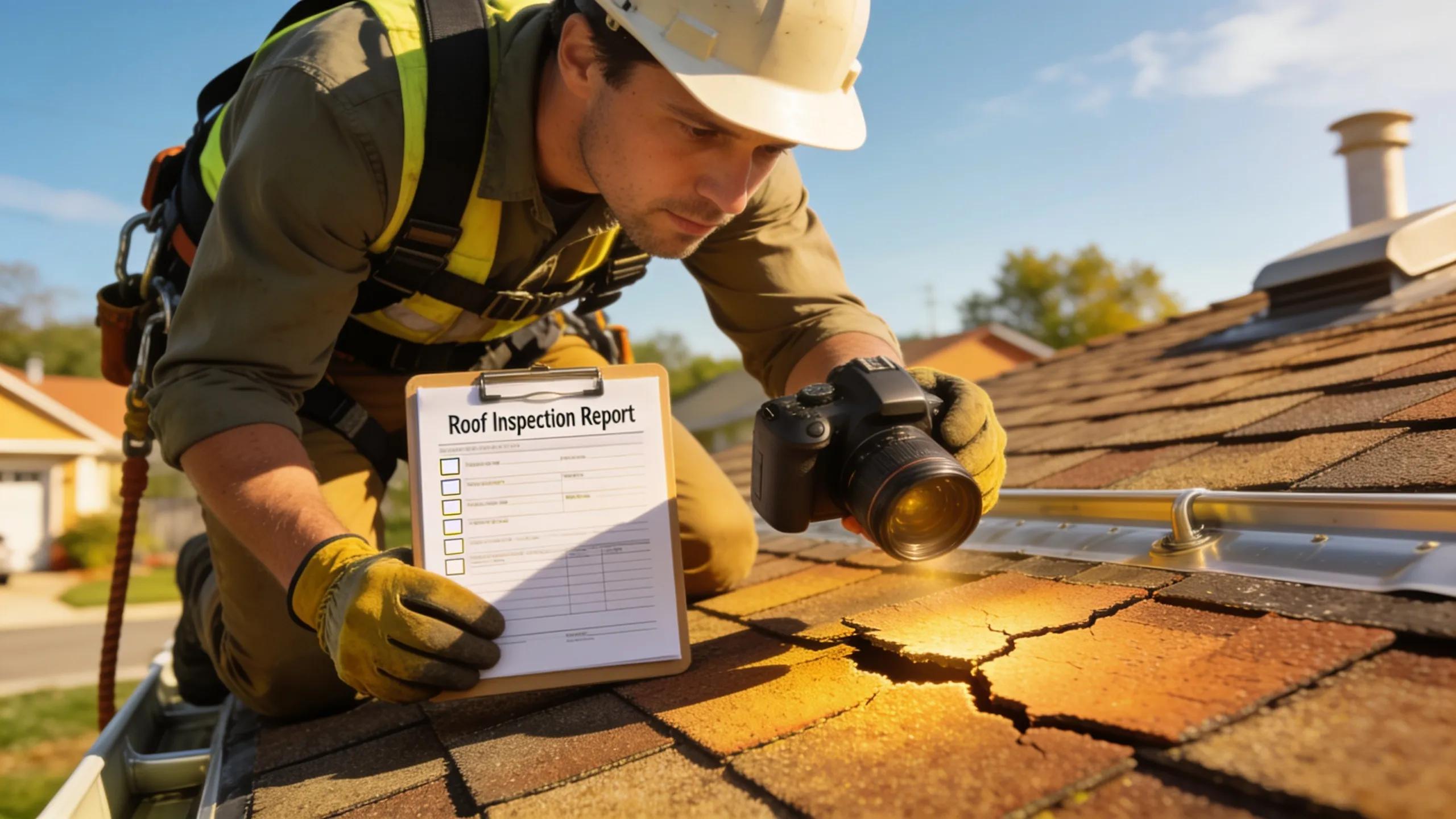
Routine maintenance is a core warranty requirement; inspections catch issues early and help keep coverage.
- Conduct Routine Inspections: Schedule periodic checks for leaks or wear.
- Keep Gutters Clean: Clear gutters and downspouts to prevent water damage.
- Professional Inspections: Bi-annual inspections by a qualified pro help meet warranty terms.
These steps extend roof life and preserve warranty protection.
Documentation:
Maintain a complete file to support claims and maintenance decisions.
- Proof of Purchase: Keep the original invoice or receipt.
- Repair Records: Log every repair with dates and descriptions.
- Inspection Reports: Retain copies of professional inspection reports as evidence.
A well-organised file of invoices, photos, and reports simplifies claims and planning.
What Types of Roof Repair and Replacement Warranties Does Hi Low Roofing Offer?
Hi Low Roofing & Solar offers warranty packages tuned for Central Florida, combining manufacturer and contractor protections.
- Comprehensive Manufacturer’s Warranty: Material defects covered for the specified term.
- Lifetime Workmanship Warranty: Contractor-backed coverage for installation-related faults.
Each package includes clear terms so homeowners know the scope and limits before work begins.
How Do Manufacturer Warranties Differ From Workmanship Warranties?
Manufacturer warranties focus on materials; workmanship warranties address installation quality.
- Material vs. Installation: Manufacturers cover product failures; contractors cover installation errors.
- Non-compliance Impact: Failing to meet maintenance or other terms may void either warranty.
Consider both when selecting materials and contractors.
Which Warranty Types Cover Storm Damage and Material Defects?
Storm coverage depends on the warranty wording and the damage cause.
- Manufacturer’s Warranty and Storm Damage: Some manufacturers provide limited storm-related coverage if the failure is material-related.
- Workmanship Warranty Conditions: Workmanship coverage usually excludes storms, though installation faults that worsen storm damage may be reviewed.
Review exclusions to choose protection aligned with local storm risk.
What Does Our Roof Repair Warranty Coverage Include and How Long Does It Last?
Hi Low Roofing’s warranties define covered defects and limits on repairs or replacements.
- Coverage Limits: Warranties focus on installation faults and specified material defects.
- Duration Specifics for Each Type: Length varies by material and manufacturer; some warranties extend for the roof’s life.
Discuss limits and duration during consultation so expectations match the written terms.
What Specific Defects and Repairs Are Covered Under Our Warranty Terms?
Warranties address common failure modes tied to materials and installation.
- Common Repairs: Leaks, defective materials, and installation-related issues.
- Duration and Coverage Limits: Timelines and limits are specified when the warranty is issued.
Report issues promptly to preserve eligibility and allow timely repairs.
How Is Warranty Duration Defined for Different Roofing Materials?
Warranty length follows manufacturer specifications and material performance.
- Manufacturer Terms: Brands set their own requirements and durations, often spanning many years.
- Conditions for Maintenance: Material-specific care affects warranty standing and longevity.
Understand material-specific durations to plan maintenance and replacement timelines.
How Do You Navigate the Roofing Warranty Claims Process With Hi Low Roofing?
Filing a claim follows a clear sequence to resolve issues efficiently.
- Initial Assessment: Contact our team to evaluate roof issues.
- Claim Filing Procedures: Gather photos, invoices, and relevant documents to support your claim.
Complete documentation helps claims move through the proper channels without unnecessary delay.
What Are the Step-by-Step Procedures to File a Warranty Claim?
Follow a methodical approach to speed resolution and improve accuracy.
- Documentation Preparation: Collect all relevant paperwork and photos.
- Submission of Claim: Send your documentation to Hi Low Roofing with any requested details.
- Follow-Up: Keep in communication to check claim status.
Clear records and consistent follow-up reduce misunderstandings and support timely outcomes.
How Does Our Company Support Customers During Warranty Repairs?
Hi Low Roofing offers structured support to reduce homeowner disruption during claims.
- Initial Assessments: We assess issues to determine warranty applicability.
- Communication Throughout the Process: We keep homeowners informed about steps and timelines.
Professional assessments and transparent updates help customers understand next steps.
What Are the Key Roof Guarantee Details Homeowners Should Know in Central Florida?
Homeowners should focus on local factors and required actions that affect warranty applicability.
- Important Rules to Follow: Maintain schedules and records to support claims.
- Impacts of Storm Conditions: Local storms can influence coverage; know the exclusions.
Being aware of regional weather patterns and upkeep helps maximise guarantee benefits.
How Do Local Storm Conditions Influence Warranty Coverage and Exclusions?
Local storm activity in Central Florida creates risks that warranties may address or exclude.
- Types of Damage Common in Storms: Hail, wind uplift, and related impacts affect coverage considerations.
- How Maintenance Plays a Role: Proper upkeep mitigates damage risk and supports warranty eligibility.
Proactive maintenance and timely inspections reduce exposure to storm-related exclusions and reinforce valid claims.
Why Is Choosing a Warranty Backed by Certified Inspections Important?
Warranties tied to certified inspections provide clearer evidence of condition and compliance.
- Importance of Documentation: Certified reports supply documented proof needed for claims.
- Financial Protection Impact: Inspection records strengthen financial protection against unexpected repairs.
Qualified inspections improve your position when filing claims and increase certainty about roof condition over time.
Conclusion
Understanding warranty types, their conditions, and maintenance obligations helps protect property value and limit unexpected costs. Keep clear documentation, schedule regular inspections, and review warranty terms so claims proceed smoothly. Discuss our warranty options during a consultation to confirm the coverage that best fits your home and local conditions.
