
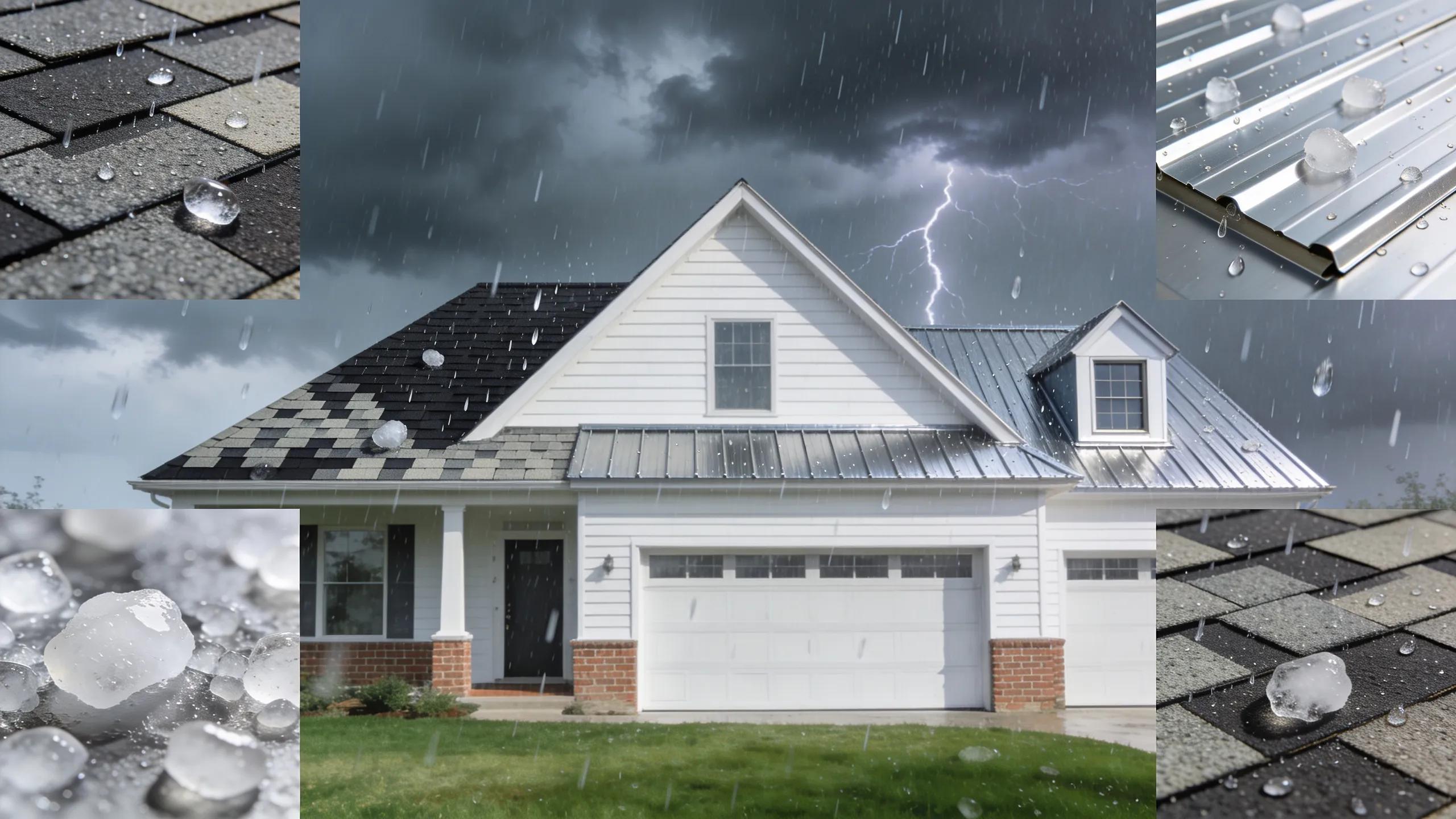
Top Materials for Effective Hail Damage Repairs: What Every Homeowner Should Know
By Ben Benkiran, Hi Low Roofing and Solar
Choosing durable materials for hail repairs is important in hail-prone areas like Central Florida. This guide summarizes top hail-resistant roofing options, compares their benefits, and highlights practical considerations—resistance ratings, repair costs, and insurance steps—to help homeowners protect their property and limit future expenses.
Key Takeaways
- Impact-resistant shingles, metal roofing, and synthetic materials offer superior hail damage resistance for roofs.
- Metal roofing provides exceptional durability, longevity over 40 years, and low maintenance in hail-prone areas.
- Impact-resistant shingles absorb hail impacts better than traditional asphalt, reducing damage and insurance costs.
- Homeowners should inspect roofs regularly for dents, granule loss, and cracks to identify hail damage early.
- Professional roof inspections are critical after storms or visible damage to ensure timely repairs.
- Repair costs vary by material, with metal roofing repairs generally costing more than impact-resistant shingles.
- Understanding insurance coverage and documenting damage thoroughly improves the success of hail damage claims.
- Combining hail damage repairs with solar panel installation enhances energy efficiency and increases property value.
- Solar panels are compatible with hail-resistant roofing materials without compromising roof protection or warranties.
Which Roofing Materials Offer the Best Resistance Against Hail Damage?
Compare durability, lifecycle costs, and roof compatibility when selecting hail-resistant materials. Impact‑resistant shingles, metal roofing, and modern synthetic systems each provide advantages for different budgets and roof types. Hi Low Roofing & Solar recommends choosing materials that match performance needs and offers free inspections and quotes to help homeowners decide.
Comparison of Roofing Materials
Below is a quick comparison of common roofing materials and their hail resistance:
This table highlights how material choice influences expected lifespan and long-term maintenance needs.
How Do Impact-Resistant Shingles Compare to Traditional Asphalt?
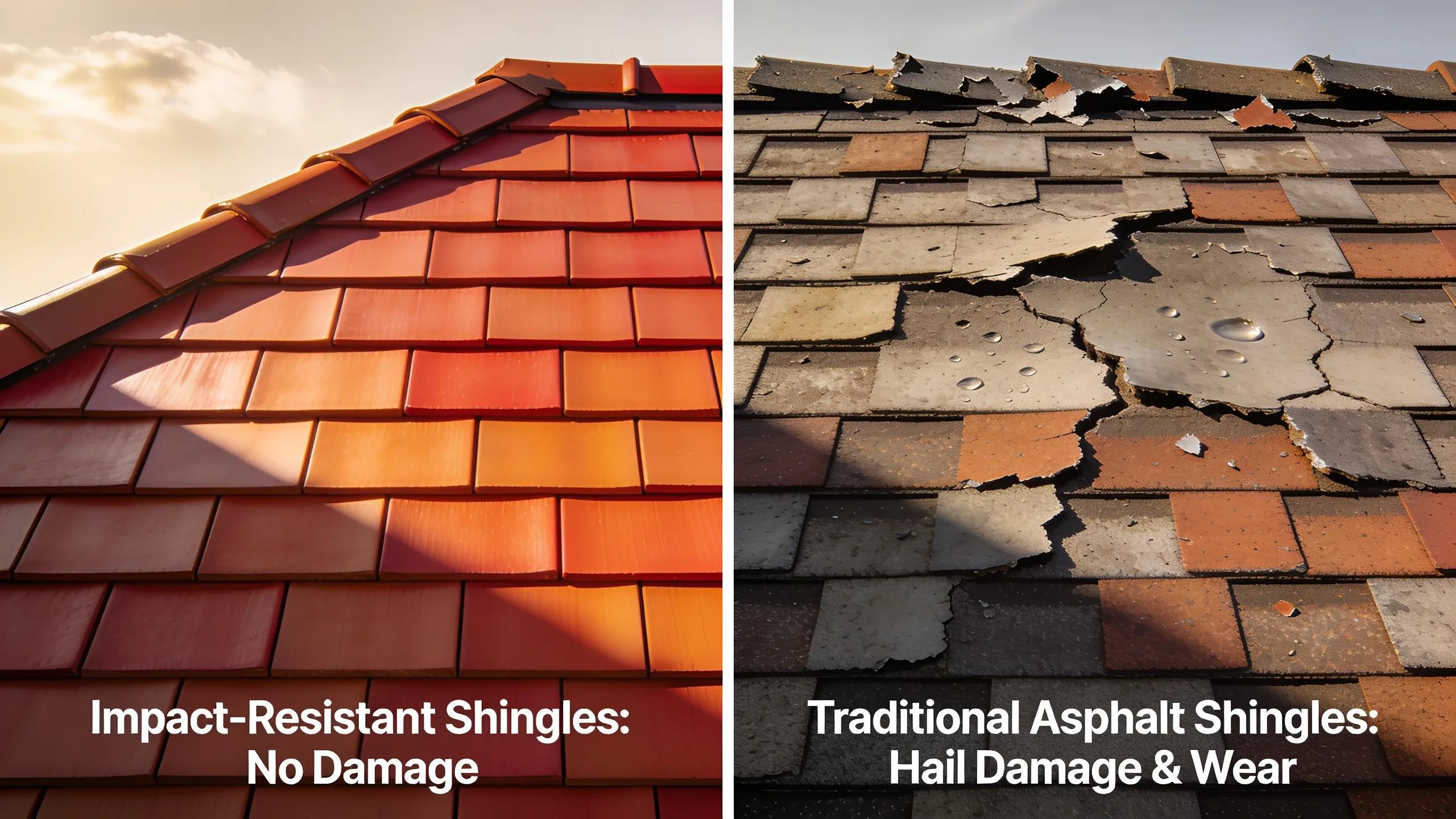
Impact‑resistant shingles are built to absorb and deflect hail with fewer punctures and splits than standard asphalt. They often come with extended warranties and can lower lifecycle costs and insurance premiums when compared to traditional shingles.
What Are the Benefits of Metal Roofing for Hail-Prone Areas?
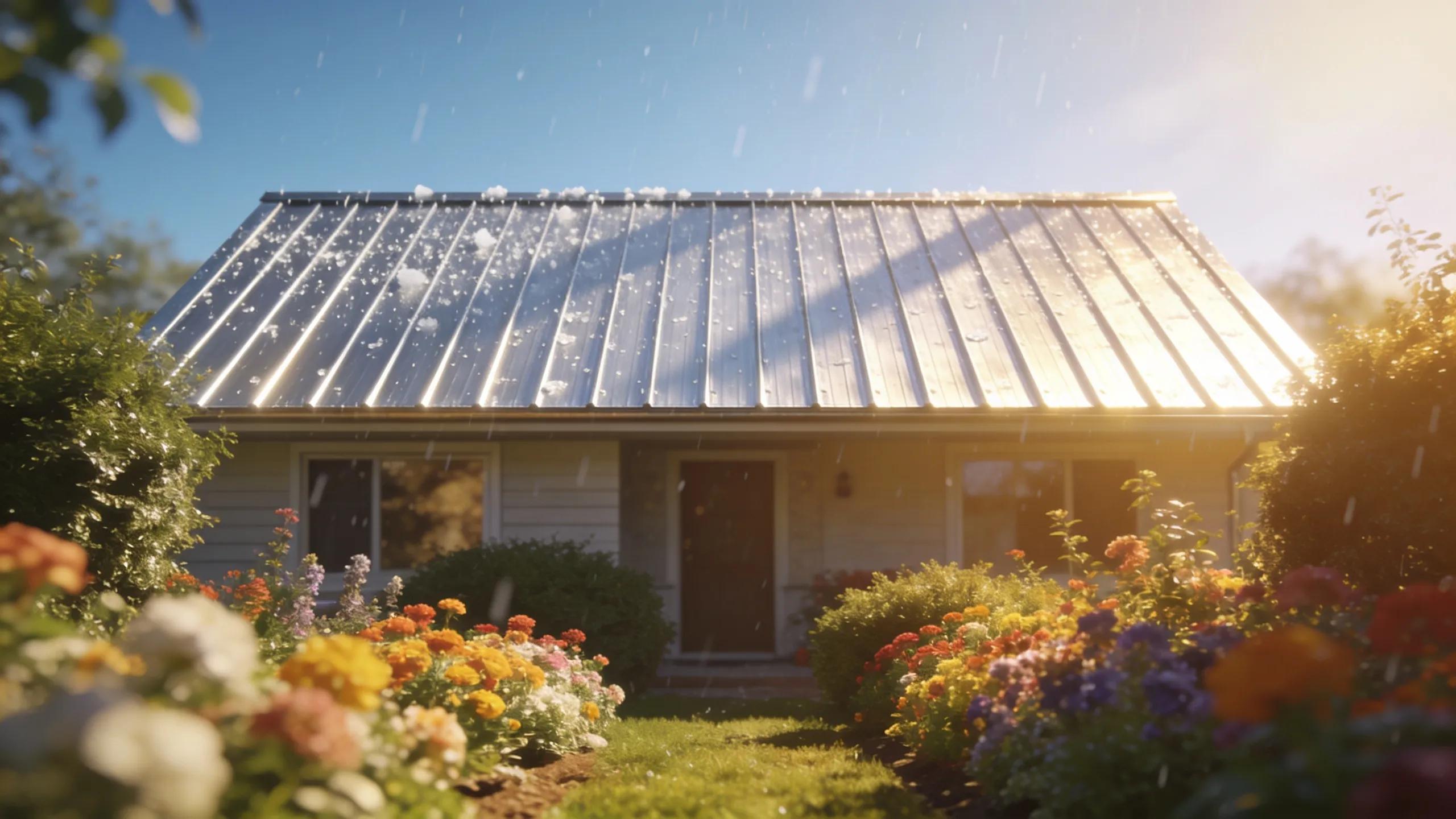
Metal roofing offers high durability and long life, making it a strong option for severe-weather regions.
- Longevity: Metal roofs can last over 40 years, delivering long-term value.
- Durability: Metal resists severe impacts and is less likely to crack compared with shingles.
- Low Maintenance: Fewer repairs are typically needed, which reduces total upkeep.
For homeowners focused on long-term protection and lower maintenance, metal roofing is a strategic investment against hail.
How Can Homeowners Identify Signs of Hail Damage on Their Roof?
Early detection limits repair scope. Inspect roofs for common signs including:
- Dings or Dents: Indentations on shingles or metal panels.
- Granule Loss: Granules accumulating in gutters indicate shingle wear.
- Cracks or Breaks: Look for visible cracks around flashing, vents, and other vulnerable areas.
Regular visual checks help catch problems before they become costly repairs.
What Are the Common Damage Indicators on Asphalt and Metal Roofs?
Materials show different damage patterns after hail:
- Asphalt Roofs: Bruising, loose shingles, and granule loss are typical; check each shingle for integrity.
- Metal Roofs: Dents, scratches, or paint fading can expose metal to rust if left unaddressed.
Routine maintenance and prompt repairs protect the roof’s service life and prevent secondary issues like leaks or rot.
When Is It Critical to Schedule a Professional Roof Inspection?
Have a professional inspect your roof after severe weather or when you suspect damage. Key triggers include:
- Post-Storm Evaluation: Inspections after hail or severe storms.
- Visible Damage: When you see signs during your own checks.
- Age of Roof: Older roofs benefit from more frequent inspections.
Certified inspectors deliver documented findings and repair recommendations that assist timely, cost-effective decisions.
What Are the Cost and Insurance Considerations for Hail Damage Roof Repairs?
Repair budgets depend on materials, labor, and insurance. Common cost drivers include:
- Material Choice: Impact-resistant materials cost more up front but can reduce long-term expenses.
- Labor Costs: Prices vary with repair complexity and local rates.
- Insurance Coverage: Know your policy’s hail coverage; many policies cover storm-related repairs.
Request itemized estimates to compare options and to simplify the claims process with your insurer.
How Do Repair Costs Vary by Roofing Material and Damage Severity?
Repair expenses depend on material and damage level. Typical ranges include:
- Impact-Resistant Shingles: Around $300–$500 for localized repairs.
- Metal Roofing: Often $350–$700 for repairs due to material and labor needs.
- Traditional Asphalt: Lower repair costs for small fixes, but replacement after extensive damage can exceed $1,500.
Choosing durable materials can reduce repair frequency and total ownership costs over time.
What Should Homeowners Know About Insurance Claims and Coverage?
Handle claims with organized documentation and professional support. Key steps:
- Policy Awareness: Understand your policy’s hail provisions.
- Documentation: Photograph damage and keep detailed notes.
- Professional Assessment: Expert reports strengthen claims and clarify repair needs.
Organized records and expert reports improve claim outcomes and reduce delays in funding repairs.
How Can Roofing Repairs Integrate Solar Panel Installation After Hail Damage?
Coordinating roof repairs with solar installation can deliver a single, efficient project that upgrades the roof and adds energy generation.
- Cost Savings: Bundling work can lower overall labor and project costs.
- Enhanced Resale Value: Combined upgrades often increase a property’s market value.
- Environmental Benefits: Solar reduces reliance on grid energy and lowers emissions.
Work with contractors who align schedules and confirm warranty compatibility so both systems perform as intended.
Are Solar Panels Compatible with Hail-Resistant Roofing Materials?
Solar is compatible with metal roofs and impact‑resistant shingles when properly installed. Verify mounting and warranty protocols to preserve roof protections.
This integration lets homeowners add clean energy while keeping roof integrity intact.
What Are the Energy and Cost Benefits of Combining Repairs and Solar Installation?
Combining repairs with solar installation offers practical benefits:
- Cost Efficiency: Joint projects can reduce labor and mobilization costs.
- Energy Savings: Solar panels lower energy bills and provide a long-term energy source.
- Property Value Increase: Homes with improved roofs and solar often see higher valuations.
Hiring experienced contractors helps homeowners realize cost efficiencies and maximize energy and resale value.
Conclusion
Investing in hail‑resistant roofing—impact‑resistant shingles, metal, or quality synthetics—improves protection and can reduce repair and insurance costs over time. Review options with a professional roofing service to get a tailored estimate and protect your home’s long-term value.
