
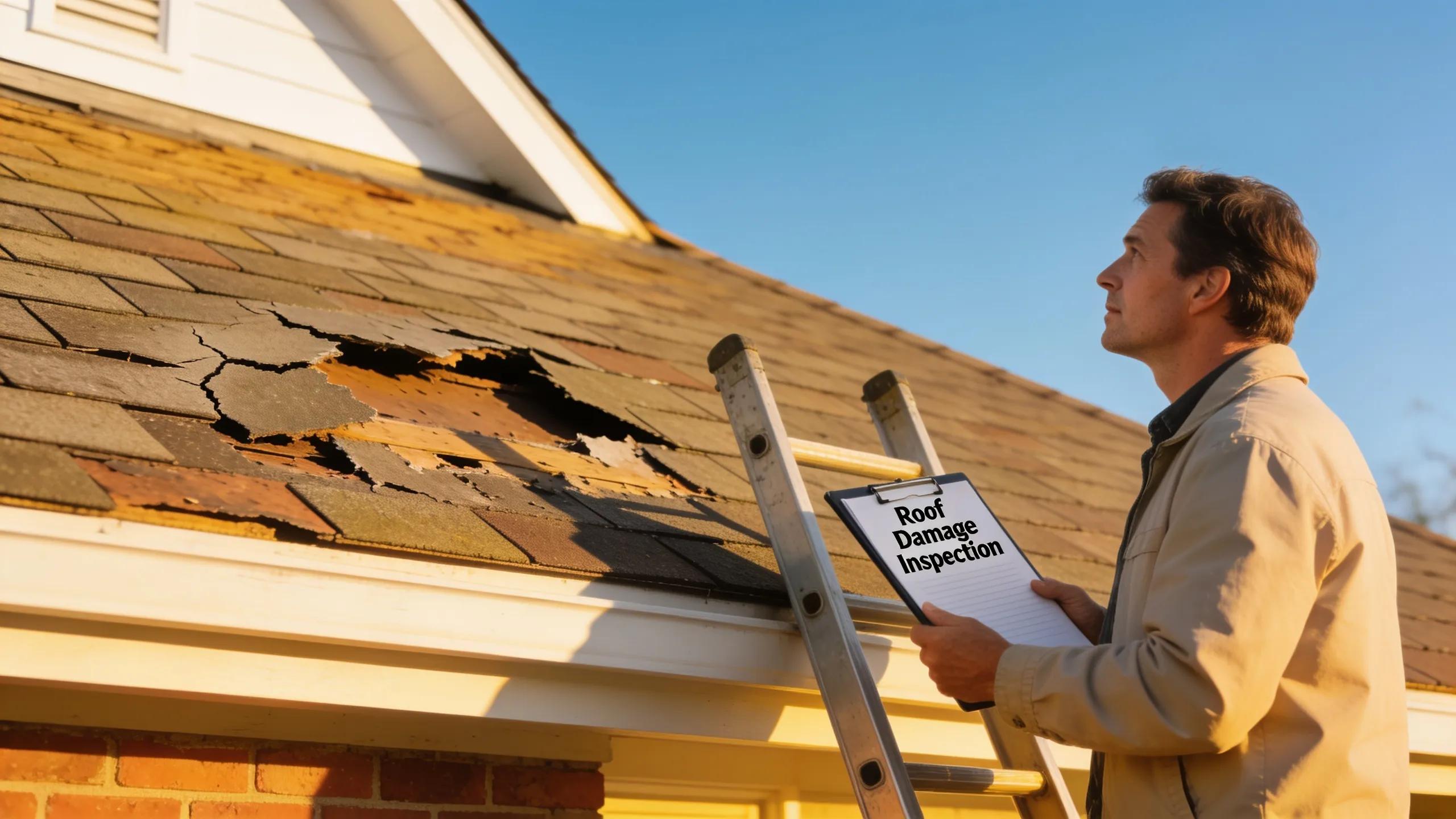
Step-by-Step Guide: Filing an Insurance Claim for Roof Damage in Central Florida
By Ben Benkiran, Hi Low Roofing and Solar
Filing an insurance claim for roof damage can feel overwhelming if you haven’t handled one before. Clear, organised steps reduce stress and improve outcomes. This guide summarizes the essential actions for filing a roof damage claim in Central Florida, from documenting damage to following up with your insurer. Follow these steps to strengthen your claim and be prepared for common issues that may arise.
Key Takeaways
- Thoroughly document roof damage with photos, videos, and notes to support your insurance claim effectively.
- Take immediate temporary repairs to prevent further damage and keep receipts for potential reimbursement.
- Hire a professional roofing contractor for a detailed inspection and an independent damage report.
- Review your insurance policy carefully to understand coverage, deductibles, and exclusions before filing a claim.
- File your roof damage claim promptly with complete documentation to expedite the insurance process.
- Attend the adjuster’s inspection with your contractor to ensure all damage is accurately assessed.
- Maintain detailed records of all communications and decisions throughout the claims process for dispute resolution.
- Follow up regularly with your insurance provider to monitor claim status and address any delays or issues.
- Be aware of common challenges like claim delays, low offers, and documentation issues, and prepare accordingly.
Step 1: Document Everything
Begin by documenting the damage in detail. Capture clear photos and video that show the extent and location of problems, and note the date and time you discovered the issue. Record weather or event details if relevant, and keep concise written notes of any conversations with your insurer; organised documentation strengthens your position during the claim.
Step 2: Mitigate Further Damage
After documenting the damage, take steps to limit further loss. Install temporary protections such as tarps or boards to keep water and debris out, and save receipts and invoices for materials and services—these costs are often reimbursable under many policies. Acting promptly shows you are protecting your property.
Step 3: Get a Professional Inspection
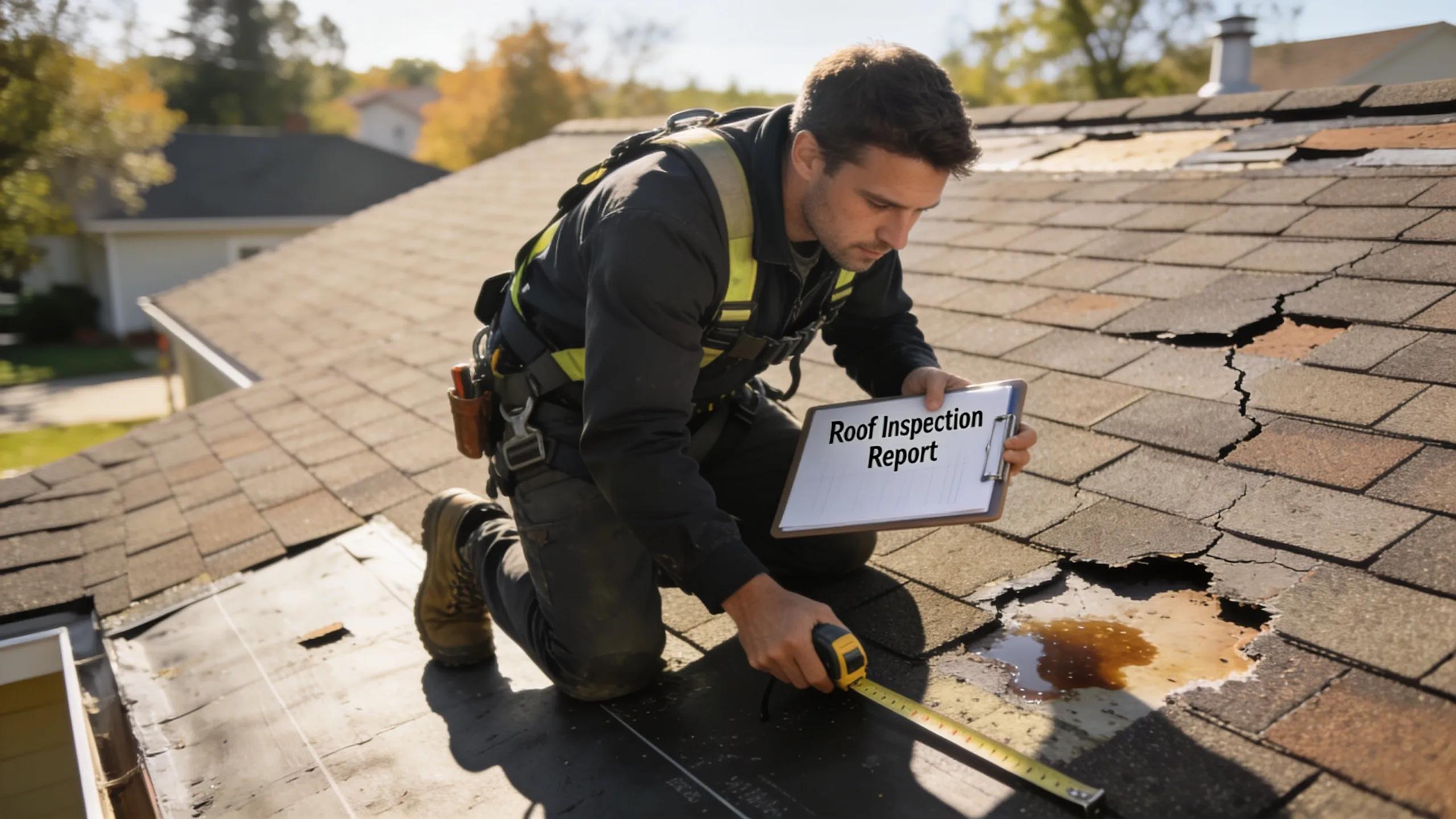
Engage a licensed roofing contractor to perform a thorough inspection and produce a written damage report. This independent assessment provides factual evidence for repairs and supports your claim. Choose a trusted local contractor who can document damages clearly and advise on repair scope and costs during the claims process.
Step 4: Review Your Insurance Policy
Before filing, review your policy to confirm coverage limits, deductibles, and any exclusions. Understanding these details prepares you for discussions with the adjuster and helps set realistic expectations. For additional information on policy-related considerations and contractor services, see the resources provided by roofing company services.
Step 5: File Your Claim
When your documentation is complete, report the damage to your insurer promptly. Provide a clear account of the incident and submit photos, receipts, and the contractor’s inspection report. Timely filing helps move the claim forward and reduces the risk of processing delays.
Step 6: Meet with the Adjuster
Your insurer will assign an adjuster to assess the damage. Arrange for your contractor to attend the inspection so all damage is documented and explained. The adjuster’s evaluation often guides the claim outcome, so ensure the assessment reflects the full scope of needed repairs.
Step 7: Keep Detailed Records
Maintain thorough records throughout the claims process. Log dates, times, and names for all communications with your insurer and contractors. Keep copies of estimates, invoices, and repair agreements. Clear records are crucial if questions or disputes arise during claim evaluation.
Step 8: Follow Up

Stay proactive in checking your claim status with the insurer. If processing slows or issues appear, contact your adjuster or claims representative and provide any requested documentation. Regular follow-up helps keep the process moving and reduces the chance of overlooked items.
Tips for a Successful Claim
Use the following practical steps to improve your claim outcome:
- Be Thorough with Documentation: Ensure that all damage is well-documented and organized.
- Understand Your Rights: Familiarize yourself with your rights as a policyholder.
- Work with Professionals: Utilize the expertise of licensed contractors and public adjusters if necessary. When seeking expert advice on roof repairs and insurance claims, a reputable roofer in Central Florida is invaluable.
Taking these extra steps gives your claim a firmer foundation and improves the overall experience.
Common Challenges and Solutions
Claims can encounter recurring challenges; knowing the likely issues helps you respond effectively. Below are frequent problems and practical responses to resolve them more smoothly.
- High Volume of Claims Causing Delays: During severe weather seasons, insurance companies may experience an influx of claims, leading to delayed processing times. Staying persistent and following up regularly can help address this issue.
- Low Initial Offers from Insurers: It’s common for initial offers to be lower than expected. If this happens, you can appeal the decision by presenting additional documentation and evidence from your contractor. Engaging with experienced roofing professionals can significantly strengthen your appeal.
- Documentation Issues Leading to Claim Denials: Incomplete documentation can lead to claim denials. Ensure everything is well-organized and clearly presented to mitigate this risk.
Identifying these hurdles allows you to prepare appropriate documentation and responses that protect your claim.
Conclusion
Filing a roof damage claim is a structured process that rewards preparation. Thorough documentation, prompt temporary repairs, and professional inspections increase the likelihood of a favourable outcome. Review your policy, keep detailed records, and follow up consistently with your insurer. For additional guidance and resources, consult the expert materials available to help you manage roof-related claims and repairs.
