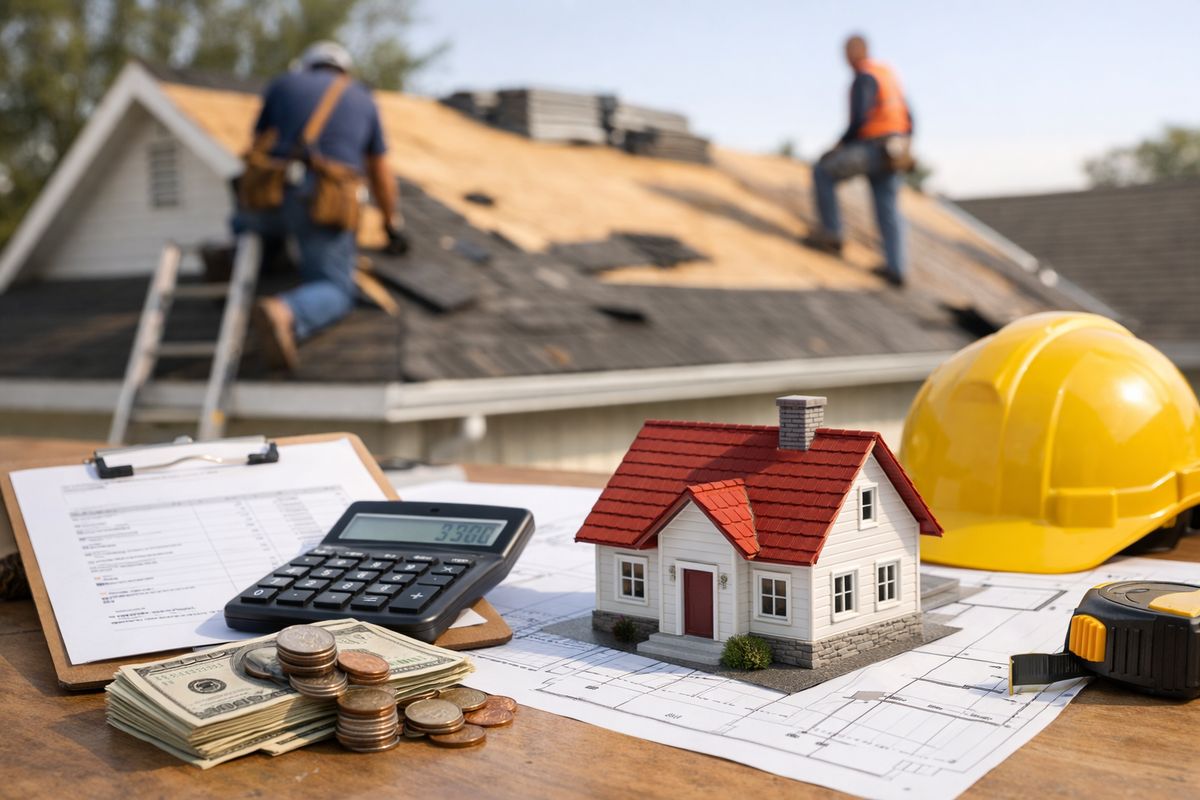
Roof replacement cost gets confusing fast. You notice worn shingles after one of those hard Central Florida afternoon storms, ask for an estimate, and suddenly one number is $9,800 and another is $15,400. Here’s the thing: that gap usually is not random. It comes from what each estimate actually includes.
What a roof replacement usually costs at a glance
A roof replacement is not one fixed price. It is a formula built from your roof’s size, the material you choose, the labor needed to install it, and the extras hiding underneath the shingles.
Nationally, a common range is about $5,700 to $16,000, with many homes landing somewhere in the low five figures. Other 2026 pricing sources put typical projects around $7,000 to $15,000, with averages near $11,500. Those numbers are useful for context, but they are still just context. Your final price depends on your roof, not a generic average pulled from a national chart.
That matters a lot in places like Winter Garden, Ocoee, Apopka, and Orlando, where older roofs take a beating from heat, rain, wind, and storm seasons that seem to show up right when your schedule is packed.
Why estimates can differ so much for the same house
Two estimates can be for the same address and still describe two very different jobs.
One quote may include full tear-off, upgraded underlayment, flashing replacement, ventilation fixes, and an allowance for damaged decking. Another may show only the visible roof surface, with wood repairs, disposal, and permit costs pushed into fine print or added later. That is why comparing roof estimates by the bottom-line number alone is like comparing grocery totals without checking what is actually in the cart.
The trick is to look past the headline price and understand the pieces that move it.
The biggest cost drivers behind your final price
Once you know what shapes the price, roof replacement cost starts making a lot more sense. Most estimates rise or fall based on the same few factors.
Roof size and what “a square” means
Roofing is usually priced by the square. One square equals 100 square feet.
So if your roof measures 2,400 square feet, that is about 24 squares. More squares mean more shingles or panels, more underlayment, more nails, more labor time, and more debris to haul away. Basic cost breakdowns often land around $400 to $900 per square, depending on material and scope.
One catch: your roof size is not always the same as your home’s floor size. A 2,000 square foot house may have a larger roof once you factor in overhangs, slopes, garages, and porch areas.
Roofing material: the choice that creates the widest price swing
Material choice is one of the biggest price movers, period.
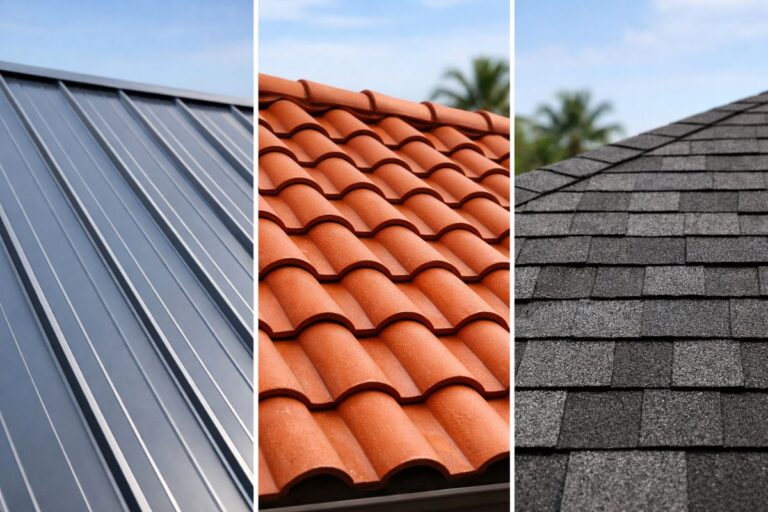
Asphalt shingles are usually the most budget-friendly option. Metal costs more upfront. Tile, wood shake, and slate climb even faster because the materials are pricier and the installation is more specialized. If you are trying to understand why one estimate is dramatically higher than another, the roofing material is one of the first things to check.
If you are weighing that decision in Florida specifically, it helps to read more about how metal compares in real Florida conditions.
Labor, tear-off, and disposal
Labor is not a small add-on. On many roof jobs, it makes up about 40 percent to 60 percent of the total cost.
Standard roofing labor often runs around $1.50 to $3.00 per square foot, while premium materials can push labor much higher because installation takes longer and requires more skill. If your old roof needs to be removed first, tear-off is another real line item, often around $100 to $300 per square. Disposal fees matter too, especially when dumpsters, haul-away, and cleanup are built into the project.
Put simply, pulling off an old roof and getting rid of it is part of the job, not a minor extra.
Roof pitch, height, and complexity
A simple roof is cheaper to replace than a complicated one. That sounds obvious, but it explains a lot.
Steep slopes, two-story homes, valleys, dormers, skylights, chimneys, and lots of edges all slow the work down and raise safety needs. Think of it like wrapping a plain box versus wrapping a bike with pedals, handlebars, and loose parts. Both can be wrapped, but one takes much more time and care.
Hidden repairs under the shingles
Some of the most meaningful costs do not show up until the old roof comes off.
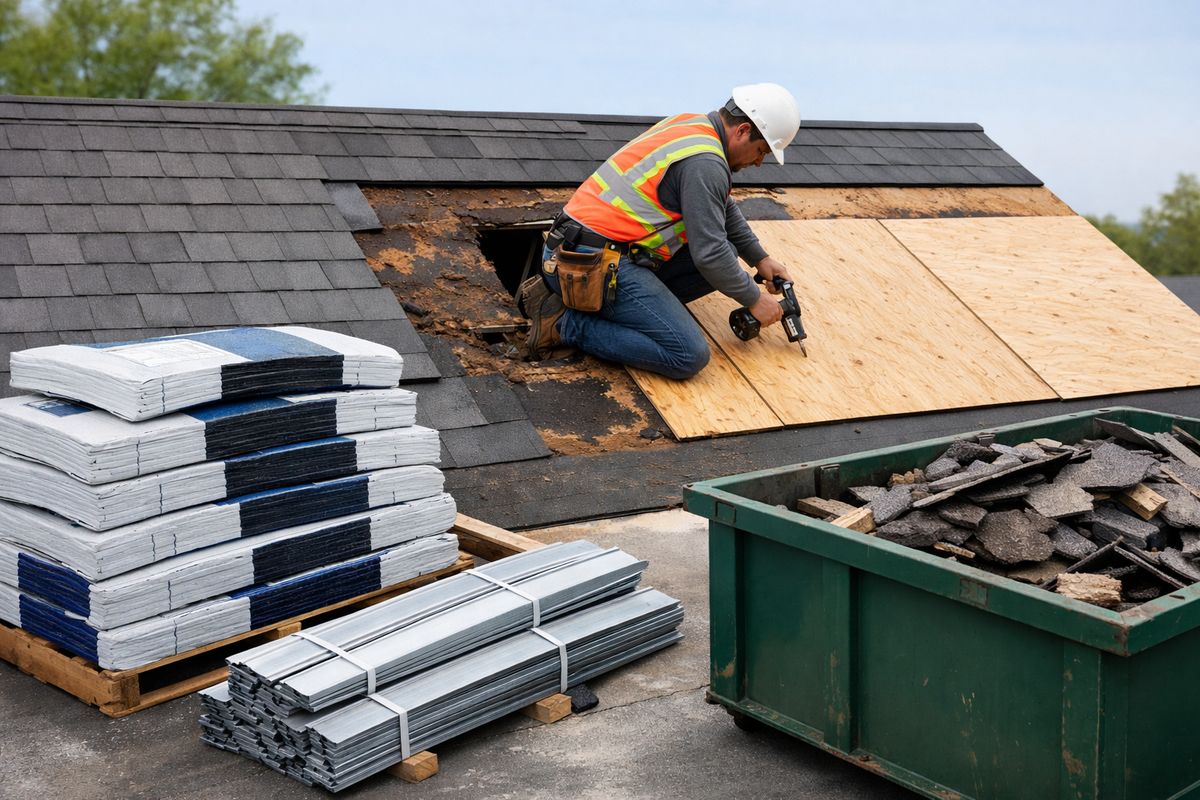
Decking is the wood surface under your roofing material. If that wood has soft spots, rot, or water damage, it may need replacement before the new roof goes on. Flashing, which is the metal used around roof joints and penetrations, may also need to be swapped out. Underlayment and ventilation upgrades can add more.
This is one reason older homes with visible wear often end up with broader price ranges. If you are still sorting out whether patching is enough or the roof is past that point, this breakdown of repair versus full replacement can help.
How material choice changes roof replacement cost
Material is where cost and long-term value really start to separate. The cheapest option upfront is not always the best fit, but paying more only makes sense if the benefits match your home and your plans.
Asphalt shingles
Asphalt shingles are common for a reason. Installed pricing often lands around $3 to $6 per square foot, with 3-tab shingles usually on the lower end and architectural shingles a bit higher.
For many homes, asphalt offers the best balance of price, appearance, and practical performance. Architectural shingles usually cost more than 3-tab, but they also tend to look better and hold up better. If your goal is solid value without jumping into premium pricing, asphalt is where many estimates begin.
Metal roofing
Metal roofing often runs about $5 to $16 per square foot installed, which is a big spread. Some of that comes from panel type, coating, trim pieces, and installation details.
That last part matters. Not every metal roof estimate includes the same accessories, edge details, or flashing work, so line-by-line comparison matters more than ever. A lower metal quote can leave out items that another contractor already included. If you want a clearer picture of local pricing on older homes, take a look at real replacement numbers in this area.
Tile, wood shake, and slate
Premium roofing materials cost more because everything about them is heavier, slower, and more specialized.
Tile commonly runs around $7 to $25 per square foot installed. Wood shake often falls around $7 to $15. Slate can climb to $10 to $30 or more. In some cases, structural considerations come into play too, especially with heavier materials. These options can make sense if you are matching a certain home style or planning to stay put for a long time. The catch is the upfront number can jump fast.
The “extras” that catch homeowners off guard
This is where a basic-looking estimate can turn into a bigger project.
Underlayment, flashing, and water protection layers
Underlayment is the protective layer between the roof deck and the outer roofing material. It matters more than most homeowners realize because it helps back up the system if wind-driven rain gets past the top layer.
Flashing protects vulnerable spots like chimneys, wall intersections, and valleys. Some quotes also include extra waterproofing membranes in high-risk areas. These components are not flashy, but skipping them is like buying a rain jacket with a broken zipper.
Decking replacement and ventilation fixes
If damaged decking turns up during tear-off, replacement often adds about $2 to $5 per square foot in the affected areas.
Ventilation can raise the price too, but it is often money well spent. Poor attic ventilation can trap heat and moisture, shorten roof life, and contribute to recurring issues. If your roof has repeated moisture trouble or signs of hidden damage, it helps to review common warning signs that show up too late before you assume the problem is only cosmetic.
Permits, warranty levels, and cleanup
Permits are part of the real cost. So are upgraded warranty options, especially if the estimate includes a fuller roofing system rather than just the visible shingles.
Cleanup details matter more than most people expect. Magnetic nail sweeps, haul-away, dumpster charges, and site protection should be spelled out. If one estimate feels surprisingly cheap, missing cleanup and disposal line items are worth checking.
How to read a roof estimate without getting lost
A good estimate should help you understand the project, not make you squint at vague line items.
What a detailed estimate should include
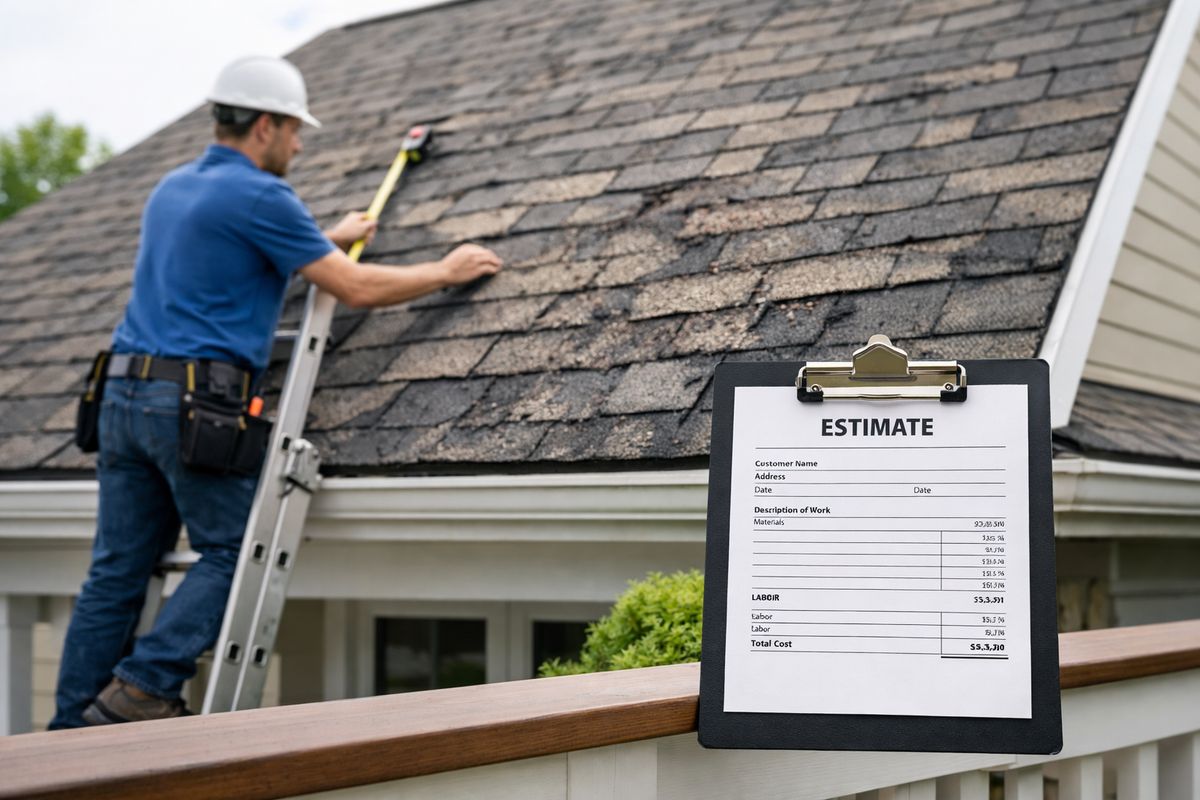
Look for specifics: material type, tear-off, underlayment, flashing, ventilation work, decking allowances, labor, disposal, permit costs, and warranty terms. A detailed estimate gives you something to compare. A lump-sum number does not.
That is the simplest way to explain why one quote looks higher than another. Sometimes it really is higher. Sometimes it is just more complete.
Repair vs. replacement: when a lower price is not the better deal
A repair can be the smart move if the issue is isolated and the roof still has good years left. But on an older roof with visible wear, missing shingles, soft spots, or repeat leaks after Orlando storm seasons, repeated repairs can become the expensive route.
The lower price is not the better deal if it only buys you a little more time before the next leak.
Smart ways to budget for your roof replacement
Budgeting well is less about finding the lowest number and more about knowing what is worth paying for.
When it makes sense to spend more
Spending more can make sense when it buys better shingles, stronger warranty coverage, improved ventilation, or needed decking replacement that protects the rest of the job.
That kind of spending adds value. Paying extra for a cosmetic upgrade you do not care about is one thing. Paying extra to avoid trapped moisture, premature wear, or a second tear-off later is different.
Common mistakes that raise the final bill
A few mistakes show up again and again: choosing based on the lowest number only, ignoring scope differences, waiting until leaks spread into wood repairs, and skipping questions about materials or warranty coverage.
Another big one is treating all estimates as equal when they are not. If one contractor includes full flashing replacement and another does not, you are not comparing the same job.
One simple next step before you book anything
Ask for an itemized estimate that separates materials, labor, tear-off, disposal, permits, and possible wood repairs.
Once you can see the pieces, the final price stops feeling random and starts feeling readable. That one step makes it much easier to judge value, spot missing items, and choose a roof replacement with your eyes open.
Frequently asked questions
How much does roof replacement usually cost?
A common national range is about $5,700 to $16,000, with many homes landing around the low five figures. Your actual cost depends most on roof size, material, labor, complexity, and any hidden repairs.
Why is one roof estimate so much higher than another?
Higher estimates often include more of the real job: tear-off, upgraded underlayment, flashing, ventilation work, permits, cleanup, and possible decking repairs. A lower estimate may leave some of that out.
Is a bigger house always more expensive to reroof?
Usually, yes, but roof size matters more than house size. Roof slope, overhangs, attached garages, and complex shapes can make a roof larger than the home’s floor area suggests.
What roofing material gives the lowest upfront cost?
Asphalt shingles usually have the lowest upfront installed cost. That is why they are so common on single-family homes. Architectural shingles cost more than 3-tab, but many homeowners find the added durability and appearance worth it.
Should you repair or replace an older roof?
If the roof has isolated damage and still has life left, a repair may make sense. If it has widespread wear, repeat leaks, missing shingles, or soft decking, replacement often becomes the better long-term value.
What should you ask for in a roof estimate?
Ask for an itemized estimate showing materials, labor, tear-off, disposal, permit costs, underlayment, flashing, ventilation work, warranty terms, and any allowance for wood replacement.
Ready to protect your home? Get in touch with the Hi Low Roofing team for your free estimate. https://hilowroofing.com/free-estimate/