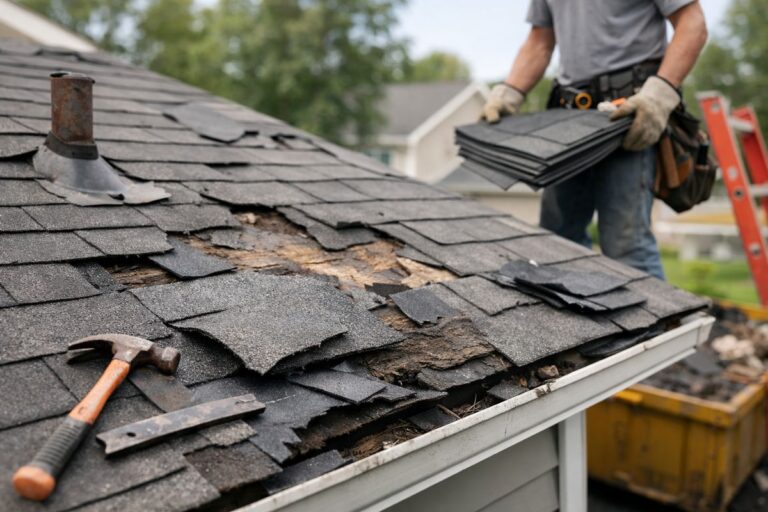

A roofing bid comparison gets confusing fast. Three estimates show up, one is thousands lower, another is packed with terms you barely use in real life, and none of them seem to describe the same roof job. The trick is simple: stop comparing totals and start comparing what is actually included, because the cheapest number is often just the thinnest proposal.
A roofing bid comparison is the process of lining up scope, materials, labor, warranties, and exclusions side by side so you can see what you are really paying for. In plain English, it helps you tell the difference between a complete roof replacement proposal and a low price that leaves out the stuff that matters.
What you will learn in this guide:
- What a complete roofing bid should include
- How to compare line items instead of totals
- Which low-price shortcuts to watch for
- What questions uncover vague estimates
- Which local factors matter around Orlando
- How to make a clear side-by-side decision
Start with what you’re actually comparing
If your inbox has three roofing estimates and all three look different, that is normal. Roofing bids rarely arrive in a neat, apples-to-apples format, especially when your roof is older, showing wear, or has a few soft spots and leak-prone areas.
The lowest number does not automatically mean the best deal. That is the one point to hold onto. A cheaper bid can mean better efficiency, but it can also mean missing flashing, no permit, reused metal, thin cleanup, or a pile of change orders waiting for tear-off day.
Why roofing bids rarely match at first glance
Roofers do not always measure the same way. One estimate may assume full tear-off and new flashing everywhere, while another assumes partial replacement of details that are already there. One may include upgraded ventilation. Another may quietly leave it out.
Material systems can differ too. A proposal for architectural shingles with synthetic underlayment is not the same as one using basic components with vague wording. Even the same roof in Ocoee can produce very different bids if one contractor expects decking repairs and another pretends the wood underneath is probably fine.
The fastest way to compare apples to apples
Compare line by line, not total by total. That is the whole game.
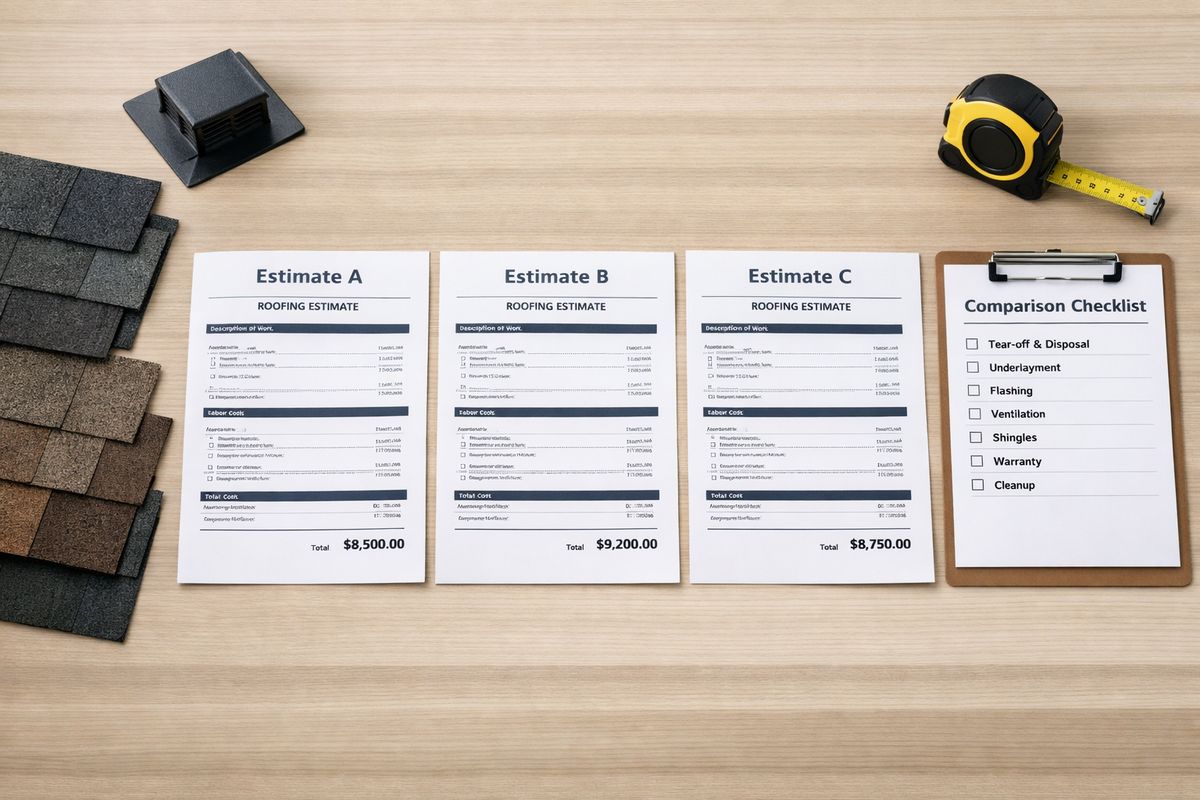
Open each estimate and build a quick side-by-side sheet. A legal pad works. A simple spreadsheet works better. Put major items in rows and each contractor in columns. Once you do that, gaps jump out fast. If one bid includes drip edge, permit, ridge vent, and haul-away, while another barely says “replace roof system,” you already know why the prices do not match.
What a complete roofing bid should include
A solid estimate should feel boring in the best way. It should spell out what gets removed, what gets installed, what happens if hidden damage shows up, and who handles the details. If the bid feels slippery, it probably is.
Scope of work
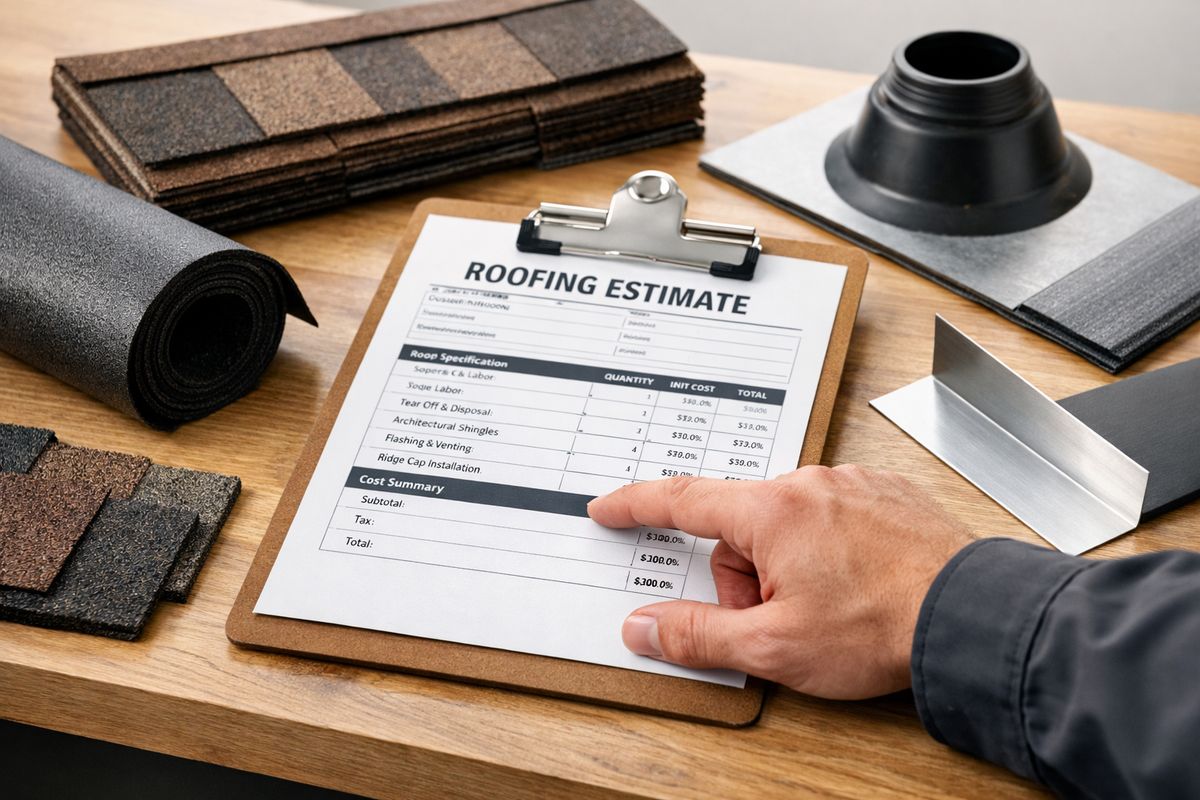
Your bid should say exactly what gets torn off, replaced, repaired, installed, hauled away, and cleaned up. Look for plain references to tear-off of old shingles, underlayment replacement, flashing work, drip edge, valleys, pipe boots, ventilation components, decking repair terms, and permit handling.
If any of those pieces are missing, ask why. A reroof is not just shingles. It is a system, and the leak problems usually start at the transitions, edges, penetrations, and weak spots, not in the middle of a big open shingle field. If you want a better feel for how roofing systems fit together, this primer on how repairs, replacement, and storm protection connect helps fill in the basics.
Materials and product details
“Standard materials” is not enough. That phrase tells you almost nothing.
A proper bid should name the shingle type, manufacturer, color if selected, underlayment type, starter shingles, ridge caps, ventilation products, and any ice and water barrier or peel-and-stick membrane if included. Specifics matter because product levels vary a lot, and so does lifespan. A quote using named materials is much easier to trust than one padded with generic language.
Labor, timeline, and jobsite details
A good bid often gives an estimated start window and projected job length. It may also mention crew size, dumpster or dump trailer placement, debris protection for landscaping, magnetic nail sweep, and cleanup expectations.
This part matters more than most people think. On a narrow lot in Orlando, or with a long paver driveway in Winter Garden, access can affect labor, staging, and cleanup. If a bid says nothing about where debris goes or how your property gets protected, assume that corner has not been fully thought through.
Warranty terms
There are two main warranties to compare: manufacturer warranty and workmanship warranty. The manufacturer warranty covers defects in the roofing products. The workmanship warranty covers installation errors.
Those are not the same thing, and plenty of homeowners blend them together. Your estimate should show the length of each, what is covered, and what could void coverage. “Lifetime warranty” by itself is sales language, not useful information.
How to compare scope line by line
This is where your decision gets easier. Instead of trying to decode every roofing phrase at once, pull apart the bids by function. What is being removed? What is being replaced? What is being reused? What is assumed but not written down?
Tear-off vs overlay
A true comparison has to start here, because tear-off and overlay are not the same job.
Tear-off means removing the existing roofing materials down to the deck before installing the new system. Overlay means installing new shingles over existing shingles. Overlay can lower the upfront price, but it can also hide deck problems, add weight, and reduce the chance to fix weak details underneath. If one bid is tear-off and another is overlay, the totals are not comparable yet.
Decking repairs and wood replacement
This is one of the biggest gray areas in roofing estimates. A bid may say decking replacement is “as needed,” excluded, or charged per sheet. All three mean different things for your final cost.
Older homes in Apopka, Ocoee, Winter Garden, and Orlando often have at least some chance of wood damage around past leaks, old pipe penetrations, or poorly vented areas. Before signing anything, understand how replacement is priced and approved. If your roof has age-related wear, this guide on when roof age alone becomes the problem gives helpful context on why hidden issues show up more often on older systems.
Flashing, valleys, pipe boots, and other leak-prone details
These smaller items can swing the long-term quality of the whole job. Flashing is the metal that helps direct water away from transitions, walls, chimneys, valleys, and penetrations. Pipe boots seal around plumbing vent pipes. Valleys handle concentrated water flow where roof planes meet.
A bid that reuses old flashing or stays vague about metal details may look cheaper now, but it is often where future leaks begin. If you have ever wondered why a roof leaks even when the shingles still look decent from the street, many of the usual causes show up in these common leak sources homeowners overlook.
Ventilation: the easy-to-miss scope gap
Ventilation is one of the easiest ways for bids to look similar while covering very different work. Ridge vents, box vents, and soffit intake all affect how your attic handles heat and moisture.
One estimate may include code-related vent upgrades and another may not mention them at all. That silence is not harmless. If your old roof had poor ventilation, simply replacing shingles without correcting airflow can shorten roof life and worsen attic heat. This is one of those line items that deserves a second look every time.
Understanding roofing prices without getting tricked by the total
Roofing prices vary for real reasons. Some of those reasons are fair. Some are warning signs. The goal is not to hunt for the lowest number. It is to understand what is driving the difference.
What usually drives a higher bid
Higher bids often reflect harder roofs or more complete work. Roof size matters, of course, but so do pitch, height, number of layers to remove, material upgrades, ventilation changes, permit costs, flashing replacement, and insurance requirements.
A steeper roof takes more labor and more safety setup. A taller home takes more staging. A bid that includes permit handling and updated ventilation will cost more than one that skips both. If you want a clearer feel for how contractors build the number, this breakdown of what pushes Florida roof pricing up or down is useful.
When a low bid is a real bargain and when it’s a shortcut
Sometimes a low bid is simply efficient. The company may have lower overhead, a tight process, or better supplier pricing. But honestly, that is not the most common reason a roofing estimate comes in suspiciously low.
More often, the lower number hides missing scope: cheaper materials, no permit, reused flashing, weak cleanup, short workmanship coverage, or vague insurance. The catch is that those missing pieces rarely feel urgent until something leaks or a change order shows up. If you are trying to sort real value from fake savings, this guide to avoiding estimate traps is worth a look.
Allowances, unit pricing, and “as needed” charges
Allowances are budget placeholders. Unit pricing means certain items get charged by quantity, like per sheet of decking replaced. “As needed” means work may be added once the roof is opened up.
None of that is automatically bad. Hidden damage is real. The problem starts when the estimate is vague about how those charges are approved. If decking, fascia, or ventilation changes may cost extra, your bid should say how much, in what unit, and when you get notified. Otherwise the low estimate can turn into the expensive one halfway through the job.
Red flags that should slow you down
Some bids deserve a pause before any signature goes on the page. Not because every missing detail means bad intent, but because roof work is expensive enough that guesswork should not be part of the package.
Vague language and missing line items
Watch for phrases like “replace roof system,” “standard underlayment,” or “repair as needed” with no quantities, no brands, and no explanation. That wording leaves too much room for surprise charges and too much space for assumptions.
Clear bids remove friction. Vague bids create it. If you cannot tell what is included after reading the estimate twice, the document is not clear enough yet.
No license, no insurance, or no permit mention
If the bid does not mention license status, general liability insurance, workers’ compensation status, or permit responsibility, that is a real problem. Not a small paperwork issue. A real problem.
Roofing on an occupied home needs proper coverage and proper permitting. If the estimate skips those basics, slow down and verify everything before moving forward. For a broader hiring checklist, review how to vet a roofer before signing.
Pressure tactics and too-good-to-be-true promises
Same-day signature pressure, “today only” pricing, oversized deposits, or casual promises that insurance will “cover everything” should put you on alert. A roof contract is not an airline flash sale. You do not need fake urgency.
Friendly communication is great. Pressure is not. If the bid only works when you stop thinking, it probably does not work in your favor.
Big warranty claims with little detail
“Lifetime” sounds comforting, but it is nearly useless without details. Who backs it? Materials only, or labor too? Is prorating involved? Are there registration requirements? Are specific ventilation or installation conditions required?
Big warranty language with tiny supporting detail is still vague language. Treat it that way.
Smart questions to ask before you choose a roofing estimate
A few plain-English questions can clear up most estimate gaps fast. This does not need to feel like a courtroom cross-exam. It just needs to get specific.
Questions about scope
Ask what exactly is included in the price and what is excluded. Ask whether flashing, vents, and drip edge are being replaced or reused. Ask how decking repairs are handled, and whether unit pricing applies if damaged wood is found.
If those answers stay fuzzy, that tells you plenty.
Questions about materials and installation
Ask for product names, shingle class, underlayment type, and the planned ventilation setup. Ask whether installation follows manufacturer specifications and local code.
Those questions matter because two bids can both say “architectural shingles” and still be worlds apart in the rest of the system.
Questions about price changes and payment terms
Ask how change orders are approved, how much the deposit is, when progress payments happen, and when final payment is due. Also ask what happens if hidden damage appears after tear-off begins.
If you want a fuller conversation guide before making calls, these smart questions to raise before hiring make a good checklist.
How to compare roofing bids side by side
At this point, the decision should start feeling less emotional and more visual. Once the bids are laid out in the same format, weak proposals are a lot easier to spot.
Use a simple comparison checklist
Build a one-page comparison sheet with columns for each contractor and rows for tear-off, materials, flashing, ventilation, decking terms, permit, cleanup, warranty, exclusions, and total price. You do not need fancy software. You just need one place where every estimate answers the same questions.
This makes hidden differences obvious fast. One bid includes ridge vent and new pipe boots. Another excludes both. One includes permit handling. Another says nothing. Suddenly the pricing gap starts to make sense.
Score value, not just price
Treat roofing bids like airline tickets. The cheapest seat is not always cheapest once baggage, seat selection, and change fees get piled on top. Roofing works the same way.
Score each estimate for completeness, clarity, communication, local reputation, warranty detail, and likely change-order risk. Then weigh that against price. A slightly higher bid that is specific and complete often beats a lower one that leaves half the job floating in the air.
Local factors that matter in winter garden, ocoee, apopka, and orlando
Central Florida roofs live a rough life. Heat, rain, wind, and age all leave marks, and your estimates should reflect that reality instead of pretending every roof is a clean textbook replacement.
Storm wear, heat, and aging roof systems
Long sun exposure can dry out shingles, heavy rain can exploit weak flashing, and wind can loosen vulnerable tabs and ridge components. Older roof systems are more likely to have brittle materials, ventilation issues, and hidden wood damage once tear-off begins.
That matters if your roof already shows curled shingles, granule loss, soft decking, or recurring leaks. If you are still deciding between repair and full replacement, this breakdown of when patching stops making sense can help frame the bids you are getting.
Permits, code updates, and neighborhood practicalities
Permit handling should be clear in the estimate. Code-related upgrades may also come up, especially around ventilation or attachment details. If your neighborhood has HOA rules, color approval or dumpster timing can matter too.
Then there is the practical stuff. A screened enclosure, tight driveway, mature landscaping, or limited side-yard access can affect staging and cleanup. On roof day, those details are not small. They shape how smoothly the job goes and how well your property gets protected.
What a strong roofing bid comparison decision looks like
A strong decision usually does not come from the cheapest bid or the flashiest sales pitch. It comes from the estimate that is clear, complete, and honest about what your roof needs and what might still change once the shingles come off.
Before calling anybody back, line up every estimate and mark each item as included, excluded, or unclear. That one step cuts through most of the noise. If a bid cannot survive that simple test, it should not be the one protecting your home.
Frequently asked questions
How many roofing bids should you get?
Three is usually enough. That gives you a useful range without turning the process into a part-time job. If all three are structured differently, your next move is not getting five more. It is organizing the scope side by side.
Is the lowest roofing estimate usually missing something?
Not always, but often enough that you should assume nothing. A low bid can be a fair price, or it can leave out flashing, ventilation, permit costs, wood replacement terms, or warranty detail. The only way to know is to compare line items.
Should decking replacement be included in the bid?
It should at least be addressed clearly. Since hidden wood damage cannot always be confirmed before tear-off, many bids price decking separately per sheet. That is fine if the estimate explains the cost and approval process upfront.
What if one bid includes ventilation upgrades and another does not?
Then you are not comparing the same job. Ask why the difference exists and whether local code, manufacturer requirements, or attic conditions triggered the upgrade. Ventilation is one of the easiest estimate gaps to miss.
Do roofing bids need to include permit information?
Yes. The estimate should show who is responsible for pulling the permit and whether permit costs are included. If permit handling is missing from the bid, slow down and get that clarified before signing.
Ready to protect your home? Get in touch with the Hi Low Roofing team for your free estimate. https://hilowroofing.com/free-estimate/