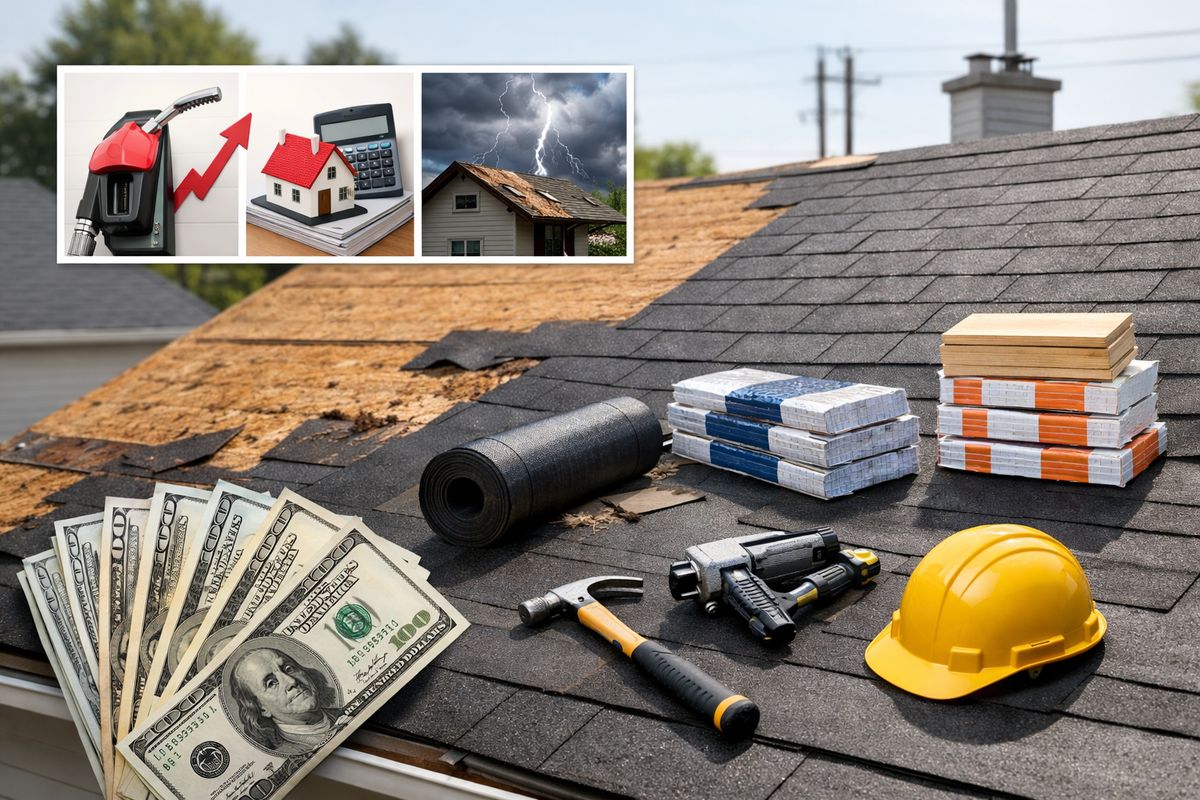
A roof quote can look random until you know what you’re looking at. The phrase roof replacement cost drivers simply means the details that make your price go up or down, and a few of them can swing the total by thousands, not hundreds.
What drives roof replacement cost
Cost drivers are the parts of your project that change the final number. Some are obvious, like the roofing material you pick. Others hide in plain sight, like roof pitch, tear-off labor, code upgrades, or how hard it is to get materials onto your property.
Here’s the thing: shingles or metal panels are only one slice of the bill. Your estimate also includes labor, underlayment, flashing, ventilation, cleanup, permits, disposal, and sometimes wood replacement once the old roof comes off. That is why two neighbors on the same street can get very different quotes.
If you want a quick way to think about it, imagine ordering flooring for your house. The tile itself matters, sure, but stairs, subfloor repairs, trim work, and labor can completely change the price. Roofing works the same way, only the stakes are higher because water always finds the weak spot.
Your roofing material usually sets the price floor
Material choice usually sets the starting point for your budget because it affects both product cost and labor. Some materials are cheap to buy and quick to install. Others cost more upfront and take more skill, more time, and more specialized tools.
A direct truth: a basic shingle on a complicated roof can still cost more than a better material on a simple roof. If your roof has steep slopes, lots of valleys, skylights, and awkward transitions, labor can outrun material savings fast.
If you want a closer look at local pricing ranges, it helps to see what Florida homeowners are really paying for a new roof before comparing materials.
Asphalt shingles, metal, tile, and flat roofing compared
Asphalt shingles are usually the lowest-cost option upfront. They are common for a reason: decent performance, familiar installation, and a lower entry price. In Florida, though, the lifespan can shorten if heat, humidity, and storms hit hard year after year.
Metal roofing costs more upfront but usually lasts much longer. It sheds water well, stands up better to wind when installed correctly, and can reflect more heat than dark shingles. That can help with attic temperatures, though insulation and ventilation still matter plenty.
Tile roofs sit at the higher end. Clay and concrete tile can hold up well in hot climates and look great, but the material is heavy. That weight can affect structure requirements, labor, and repair complexity. Tile also breaks differently than shingles. A branch that would scuff a shingle can crack tile.
Flat roofing, common on some additions, porches, and low-slope sections, uses different systems altogether. Modified bitumen, TPO, and similar membranes have their own price range and installation method. A flat or low-slope area is not automatically cheaper just because it looks simpler from the ground.
Is a metal roof worth the extra cost in florida?
For many Florida homes, yes, a metal roof can be worth the extra cost. The big reasons are storm performance, longevity, and heat reflection. In a place where wind-driven rain and brutal sun are regular visitors, those benefits are not minor.
Metal roofs can perform very well in hurricane-prone areas when fastening, edge details, and underlayment are done right. That last part matters. A metal roof is not a magic shield if it is poorly installed. The installer matters almost as much as the material.
You may also see insurance benefits or wind mitigation advantages depending on your setup and documentation. Not every policy works the same way, but a roof built to current standards can improve the conversation.
The catch is the upfront cost. Metal is usually more expensive than shingles, and not every crew installs it equally well. Noise is another concern people bring up, though honestly, a properly installed metal roof over solid decking with attic insulation is not the drum solo some people imagine. If this is the choice you keep circling back to, it helps to compare how metal and shingles stack up in Florida conditions.
Roof size changes more than just material quantity
Bigger roofs cost more for the obvious reason: more surface area means more roofing material. But that is only the start. A larger roof also needs more underlayment, more flashing, more nails or fasteners, more labor hours, and more debris hauling at the end.
Roofers often measure in “squares.” One roofing square equals 100 square feet of roof surface. That does not mean 100 square feet of living space. It means the actual area being covered on the roof itself.
That difference matters because your house size and your roof size are not the same number. A roof with multiple sections, overhangs, porches, and varying slopes can be much larger than the footprint you picture in your head.
Why two homes with the same floor plan can get different quotes
Two homes can both be listed at 2,000 square feet and still have very different roofing costs. One might have a simple rectangular roof over a single-story layout. The other might include a front porch, attached garage, rear lanai, and several bump-outs that increase roof area and detail work.
Even a multi-level design changes things. A second story can reduce the roof footprint in one area while increasing complexity and access challenges somewhere else. So the floor plan does not tell the full story.
Picture two houses in Orlando with the same interior square footage. One has a clean gable roof and easy driveway access. The other has hips, valleys, and a screened enclosure out back that limits where debris can go. The second quote will almost always come in higher. For a more specific benchmark, seeing how a 2,000-square-foot roof gets priced in Florida helps make those differences less abstract.
Roof shape, pitch, and complexity push labor up fast
This is where labor starts to climb. A simple roof is faster, safer, and cleaner to replace. A steep, cut-up roof is the opposite. It slows movement, increases setup time, creates more waste, and demands more precise installation.
Complexity also creates more places where water can sneak in if details are sloppy. That means crews spend more time cutting, sealing, flashing, and checking their work. You want that time spent. It is cheaper than leak repairs later.
Steep roofs cost more because They’re slower and riskier
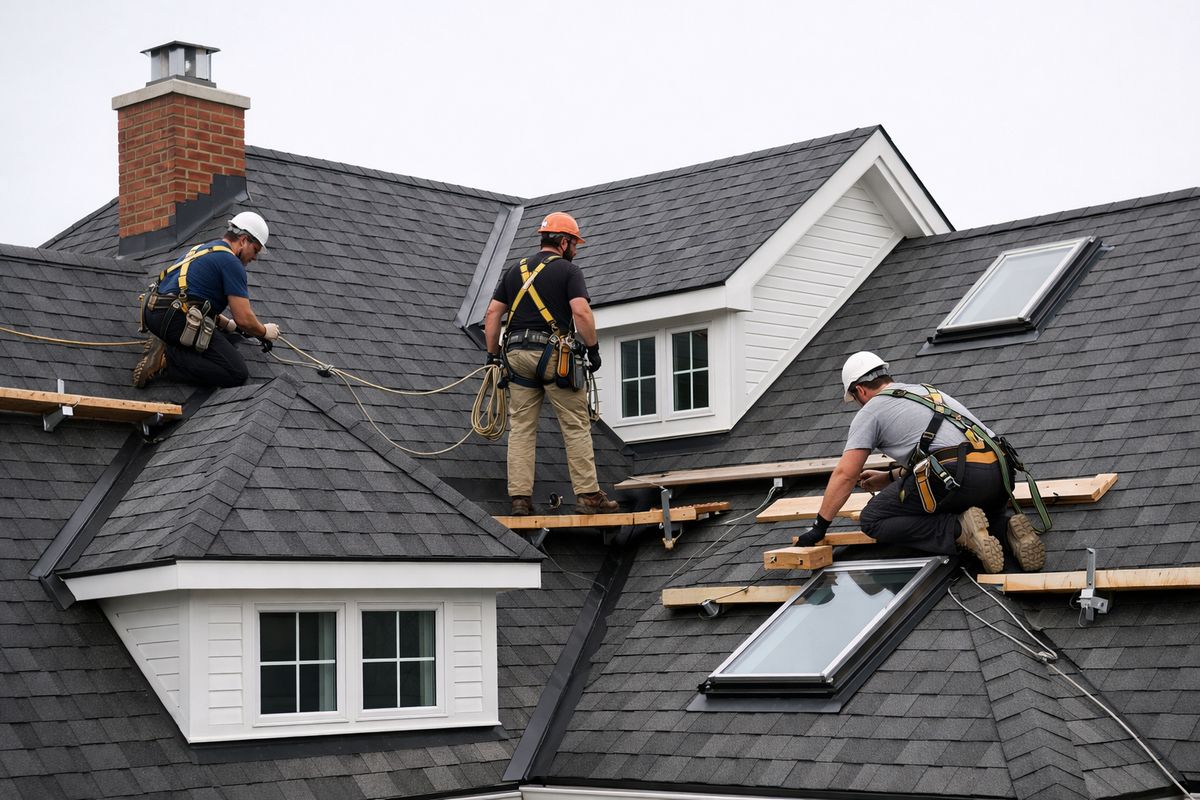
Pitch is the steepness of your roof. A low-pitch roof is easier to stand and work on. A steep roof can require harnesses, roof jacks, extra staging, and slower movement from start to finish.
That affects cost in a very plain way. If a crew can cover one roof in a day but needs two days for a steeper version of the same size, labor goes up. Safety equipment and staging can add cost too.
It is not just about being careful. Steep roofs physically reduce speed. Carrying bundles, placing panels, and installing flashing all take longer when every step requires balance and extra protection.
Valleys, dormers, skylights, and chimneys add detail work
Every transition on a roof is a work zone. Valleys, where two roof planes meet, need careful waterproofing. Skylights and chimneys need flashing that is cut, fitted, and sealed correctly. Dormers add corners, edges, and intersections that take time.
These details also create more material waste. A simple roof lets crews use full pieces efficiently. A complicated roof involves more trimming and more offcuts. That waste gets built into the estimate.
Here’s the part many homeowners miss: complexity can matter just as much as material choice. A medium-priced material on a busy roof can outprice a premium material on a clean, simple design.
Tear-off, deck repairs, and hidden damage can change the number mid-project
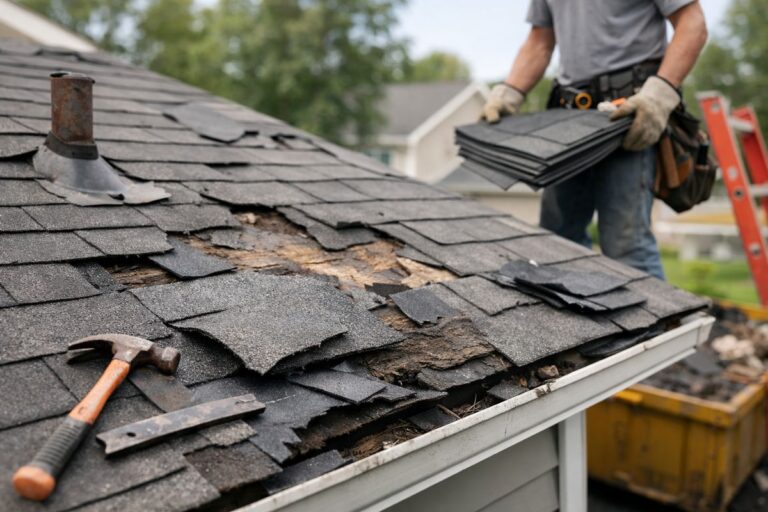
Some roof replacements are straightforward. Old roof comes off, new roof goes on, done. Others reveal trouble once the surface is stripped away. That is where surprise costs tend to show up.
This does not mean anyone is trying to play games with the estimate. It means a roof has layers, and the parts underneath are not fully visible until the tear-off begins. A responsible contractor should explain that upfront instead of pretending every project is predictable to the dollar.
One layer or multiple layers of old roofing
If your roof has one old layer, tear-off is simpler. If it has two or more layers, labor increases fast. Crews need more time to remove everything, dumpsters get heavier, and disposal fees rise.
Multiple layers can also trap heat and hide soft spots or past repairs. What looked acceptable from the outside may tell a different story once those layers come off.
That is one reason suspiciously low quotes can fall apart later. If an estimate barely accounts for tear-off, the change orders may arrive once the job starts.
What happens if the roof deck is rotten
Roof decking is the wood base underneath your shingles, tile, or metal panels. It is the surface your new roof attaches to. If sections of that wood are soft, swollen, or rotten, they need to be replaced before new materials go on.
Leaks cause this. So can long-term humidity, failed flashing, or storm damage that let water work its way in over time. In Florida, moisture has a way of sticking around.
Deck repair is not optional. Putting a new roof over damaged wood is like painting over a rotten window frame. It may look fine for a minute, but the problem is still there, and now it is harder to fix cleanly.
Should you repair or replace a leaking roof?
A localized repair makes sense when the roof is relatively young, the leak source is clear, and the problem is limited to one small area. A few damaged shingles after a storm, a flashing issue around a vent, or one isolated puncture can often be fixed without replacing the whole roof.
Replacement becomes the smarter money move when leaks keep coming back, the roof is near the end of its life, or damage is spread across multiple sections. The same goes for widespread granule loss, failing flashing in several places, sagging spots, or old materials that are simply worn out.
If you are stuck on that decision, it helps to walk through when a leak is worth repairing and when replacement makes more sense before signing anything.
Labor, crew skill, and local market rates matter more than You’d think
Labor is not a side cost. It is a major part of the project. You are paying for removal, installation, safety setup, cleanup, supervision, and the skill to get waterproof details right.
Better crews usually cost more because licensed, insured, trained roofing work costs more. That is not inflated pricing. That is what it takes to run a legitimate job with proper coverage, decent materials handling, and accountability if something goes wrong.
The cheapest bid often trims corners where you cannot see them right away. Thin underlayment. Rushed flashing. Poor cleanup. Weak supervision. Unclear warranty support. A roof is one of the worst places to bargain hunt blindly because the failure may show up during the next major storm, not next week.
Florida weather and code requirements can raise the cost
Florida roofing is its own category. Heat is intense, rain is frequent, humidity is relentless, and hurricane risk changes how roofs are built. That combination affects both material choices and installation standards.
Local codes also add cost, but for good reason. Roofing systems in Florida often need stronger fastening patterns, specific underlayment standards, and inspection steps that might not apply in milder regions. If you have ever wondered why roof replacement gets so expensive in Florida, weather and code are a huge part of the answer.
Wind mitigation features and hurricane readiness
Wind mitigation features are upgrades or construction details meant to improve storm resistance. That can include stronger nailing patterns, better underlayment, sealed roof decks, improved edge metal, and fastening methods designed for higher wind loads.
These details can raise the price, but they are not fluff. In a hurricane-prone area, the roof’s job is not just to look good on a sunny day. It has to stay attached and keep water out when conditions turn ugly fast.
Some of these choices may also matter for insurability and inspection results. The paperwork side is not exciting, but it affects real money.
Permits, inspections, and local code compliance
Permits and inspections show up on estimates because roofing work is regulated work. Permits authorize the job. Inspections verify that the installation meets code. Skipping those steps is not a smart savings move. It is a shortcut that can create insurance, resale, and safety problems later.
Local variation matters too. In places like Orlando, permit timing, local review processes, and code expectations can affect both budget and schedule. If one estimate ignores permits while another includes them, those are not equal bids.
Underlayment, flashing, ventilation, and other “invisible” parts add real cost
A roof quote is never just about the visible surface. The parts underneath and around it often decide how well your roof handles water, heat, and long-term wear.
These are the pieces that homeowners rarely think about until a leak shows up. That is understandable. But underlayment, flashing, and ventilation do some of the hardest work on the whole system.
Why underlayment and flashing matter so much in heavy rain
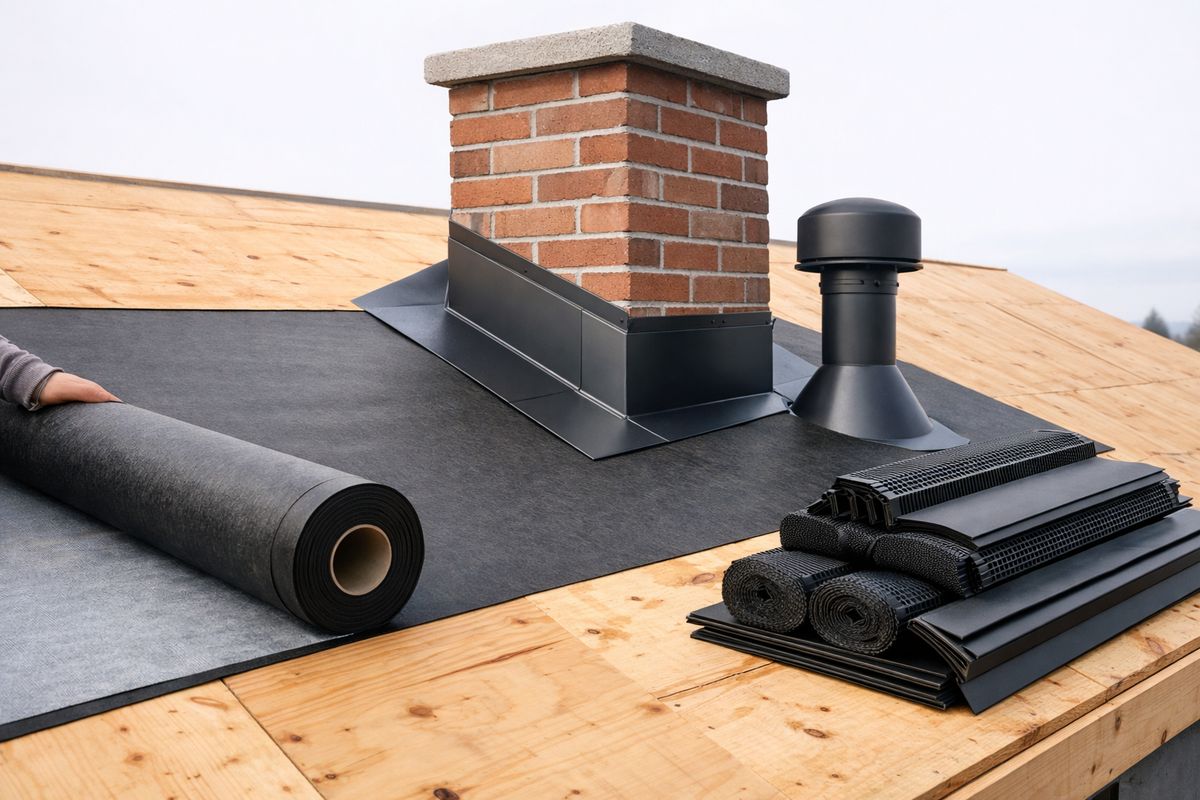
Underlayment is the protective layer installed between the roof deck and the outer roofing material. Flashing is the metal used around edges, walls, chimneys, vents, and valleys to direct water away from vulnerable spots.
During a Florida downpour, these parts do the quiet work. Wind can drive rain sideways, not just downward. If flashing is sloppy or underlayment is low quality, water has an opening.
That is why a quote that seems cheaper on paper may not actually be cheaper. One contractor may include upgraded leak barriers in critical areas while another keeps the scope vague and bare-minimum.
Ventilation can affect roof life and attic heat
Ventilation helps your attic move hot, moist air out and draw in cooler outside air through intake vents, usually at the soffits. Ridge vents at the top let that air escape. It sounds simple because it is simple, at least in concept.
But poor ventilation can trap heat, increase attic temperatures, hold moisture where it should not stay, and shorten roof life over time. It can also make your house less comfortable, especially during a long Florida summer.
A roofing project is one of the best times to fix ventilation problems because the system is already being opened up. If your quote includes vent changes, that line item may be doing more for your home than a nicer shingle color ever could.
Accessibility, cleanup, and disposal fees show up on the estimate too
Some pricing factors have nothing to do with roofing materials at all. They have to do with logistics. Can a dumpster sit close to the house? Can crews carry materials easily? Is there room to protect landscaping and collect debris safely?
These details sound small until a project starts. Then they become very real.
Hard-to-reach roofs take longer to replace
Limited driveway access can slow deliveries. Fences, tight lot lines, mature trees, pool enclosures, and landscaping features can complicate material staging and debris removal. Multi-story homes add another layer because carrying materials up and down simply takes longer.
A hard-to-reach roof is a slower roof. Slower means more labor hours. More labor hours mean a higher estimate.
Dumpster, dump fees, and site protection
Old roofing has to go somewhere, and dumping it is not free. Heavier materials, larger roofs, and multiple tear-off layers all raise disposal cost. Tile and extra layers can push that number up in a hurry.
Cleanup and protection matter too. Tarps, plywood paths, magnet sweeps for nails, and plant shielding should not be treated like optional niceties. They are part of doing the job without leaving your property looking like a storm came through twice.
Seasonal timing can affect price and scheduling
Roofing prices are not frozen year-round. Demand rises and falls. Material availability shifts. Storm activity changes scheduling pressure.
In busy seasons, especially after severe weather, contractors may be booked out further and emergency work may cost more. That does not always mean you should wait. It just means timing can affect both availability and price.
Emergency replacements usually cost more
When a summer afternoon thunderstorm rolls through Orlando and suddenly your ceiling starts dripping at 6:30 p.m., you are not shopping from a position of calm. Emergency work often means temporary dry-in measures, fast scheduling, and fewer chances to compare detailed bids.
That urgency has a price. Crews may need to reshuffle schedules, protect exposed areas quickly, or source materials on short notice. Emergency replacement is sometimes unavoidable, but it is rarely the cheapest version of the job.
How to read a roof quote without getting lost
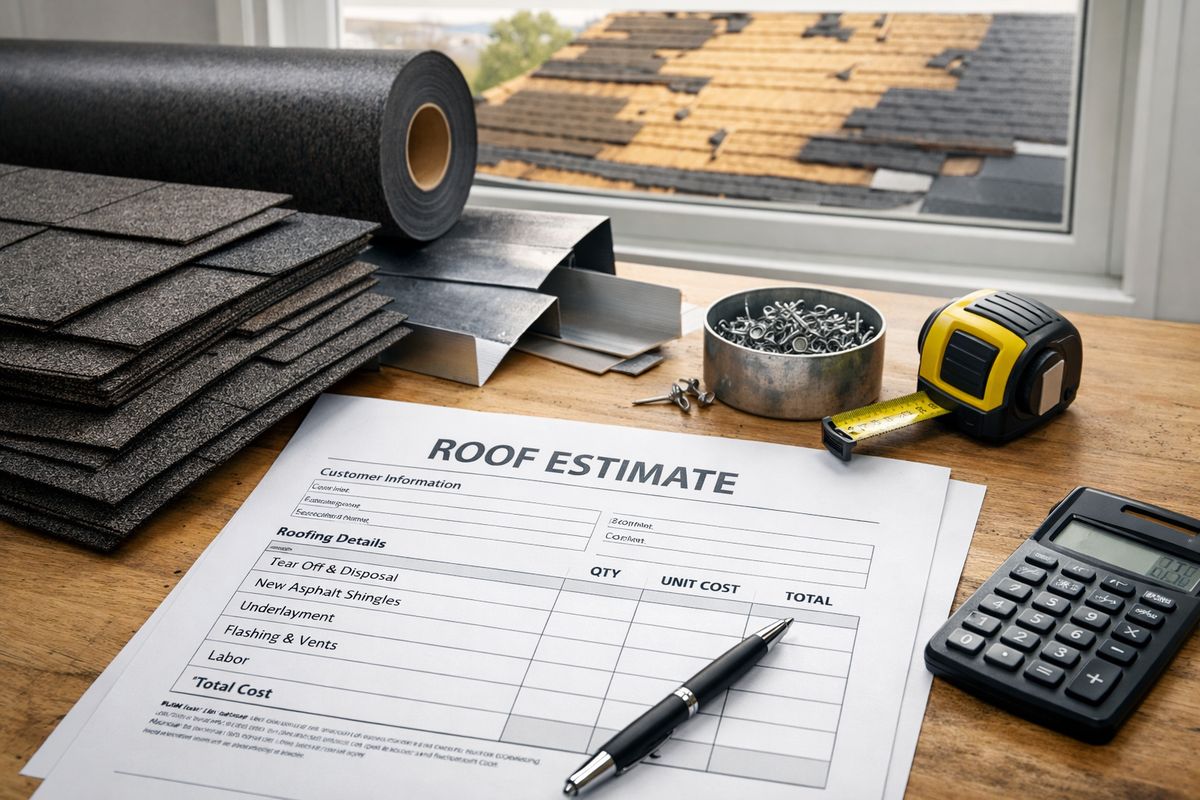
A good roof estimate should let you see what you are paying for. Not every line item has to be a novel, but vague language is a problem. If one quote says “replace roof” and another actually breaks out tear-off, underlayment, flashing, ventilation, permits, and cleanup, the second one is easier to trust.
You are trying to compare apples to apples. If one contractor includes upgraded underlayment and another does not mention it, those totals do not mean the same thing.
What a detailed estimate should include
A solid estimate usually spells out the roofing material, tear-off scope, underlayment type, flashing details, ventilation work, decking allowance or deck-repair pricing, permits, cleanup, disposal, warranties, and expected timeline. It should also explain how unexpected deck damage or change orders get handled.
That level of detail protects you. It gives you something concrete to compare instead of relying on a sales pitch or a round number scribbled at the bottom of a page.
Red flags in cheap roofing bids
A suspiciously low roofing quote is rarely a bargain. It is usually missing something. Maybe permit costs are excluded. Maybe cleanup is barely addressed. Maybe labor is priced so low that supervision and workmanship become a guessing game.
Watch for vague scopes, unclear warranty language, missing permit references, or no mention of flashing and ventilation. If a bid feels oddly light for a full replacement, trust that instinct. Roof work is expensive because there is a lot happening, not because everyone decided to make it confusing.
How to choose a roofing contractor in orlando or anywhere in florida
Choosing a roofing contractor is not about finding the slickest presentation. It is about finding someone who can explain the scope clearly, install the system correctly, and stand behind the work when Florida weather starts testing it.
Local experience matters because roofs in Florida deal with a specific mix of heat, rain, and wind. A contractor who understands local codes, permit processes, and storm-focused installation details has a real advantage.
Questions to ask before you sign
Ask whether the contractor is licensed and insured. Ask who supervises the crew on site. Ask what happens if rotten decking is found after tear-off. Ask how change orders are documented and approved. Ask whether permit handling and final inspection are included.
Those questions are not nitpicking. They get to the heart of whether your project will stay organized once the old roof comes off.
Reviews, references, and warranty details
Recent reviews tell you more than old five-star ratings from years back. Look for comments about communication, cleanup, timeliness, and how problems were handled. Nearby examples help too because local conditions matter.
Also make sure you understand the warranty difference. A manufacturer warranty covers the roofing product itself. A workmanship warranty covers how it was installed. You want both explained in plain English, not buried in a stack of paperwork.
The biggest cost drivers at a glance
Most roof prices come back to the same handful of factors: material, size, roof complexity, tear-off requirements, hidden deck damage, labor quality, code upgrades, and disposal. Once you see those pieces clearly, the estimate stops feeling random.
Pull out your most recent quote and check whether those line items are actually spelled out. If they are not, that is the first thing to fix.
Ready to protect your home? Get in touch with the Hi Low Roofing team for your free estimate. https://hilowroofing.com/free-estimate/
Frequently asked questions
What is the biggest factor in roof replacement cost?
Material is usually the biggest starting factor, but labor and roof complexity can change the total just as much. A steep, cut-up roof with lots of flashing work can cost more than a simple roof with a better material.
Why are two roof replacement quotes so different?
Quotes often differ because the scope differs. One estimate may include permit fees, upgraded underlayment, ventilation work, and cleanup, while another leaves those items vague or excludes them entirely.
Does a metal roof always save money over time in florida?
Not always, but it often makes a strong long-term case. A metal roof usually costs more upfront, yet better lifespan, storm performance, and heat reflection can make that extra cost easier to justify over many years.
Can roof replacement cost go up after the project starts?
Yes, especially if hidden damage is found after tear-off. Rotten decking, multiple old layers, or concealed leak damage can add work that was impossible to confirm from the outside alone.
Is it cheaper to roof over old shingles instead of tearing them off?
It can look cheaper upfront, but it often creates problems. Multiple layers add weight, hide damage, and make future repairs harder. In many cases, a full tear-off is the cleaner and smarter approach.
How can you tell if a roofing bid is too cheap?
Look for missing details. If the estimate is vague about permits, flashing, underlayment, cleanup, warranties, or deck repairs, the low number may not reflect the full job. A roof bid that seems too good to be true usually is.