
Cost-Saving Insulation Options for Energy-Efficient Roofs: Expert Guide to Materials and Benefits
In the quest for energy efficiency, selecting the right insulation for roofs is crucial. Effective insulation not only reduces energy costs but also enhances comfort within the home. This guide explores various cost-saving insulation options that can significantly improve energy efficiency in roofing systems. Homeowners often face challenges in choosing the best materials that balance cost and performance. By understanding the different insulation types and their benefits, you can make informed decisions that lead to long-term savings. This article will cover the best roof insulation materials, how they can reduce energy costs, the benefits of professional installation, and available local incentives for energy-efficient upgrades. For more detailed information on roofing solutions, visit energy-efficient roofs.
Beyond traditional insulation, innovative approaches like thermochromic films are also being developed to actively tailor solar heat gains and contribute to significant energy savings.
Innovative Thermochromic Films for Energy-Saving Roofs
Energy-efficient roof with the novel thermochromic film achieved solar reflectance up to 48% and reduced heat flux by 20% compared to conventional roofing materials. A novel roofing system was designed to actively tailor solar heat gains in buildings, contributing to significant energy savings.
Design and characterization of energy efficient roofing system with innovative TiO2 enhanced thermochromic films, XB Yu, 2019
What Are the Best Roof Insulation Materials for Energy Efficiency?
When it comes to enhancing energy efficiency, several roof insulation materials stand out. These materials are designed to minimize heat transfer, thereby maintaining comfortable indoor temperatures and reducing energy consumption. The most effective options include spray foam insulation, rigid foam insulation, and reflective coatings. Each material has unique properties that contribute to energy savings and overall performance.
How Do Spray Foam, Rigid Foam, and Reflective Coatings Compare?
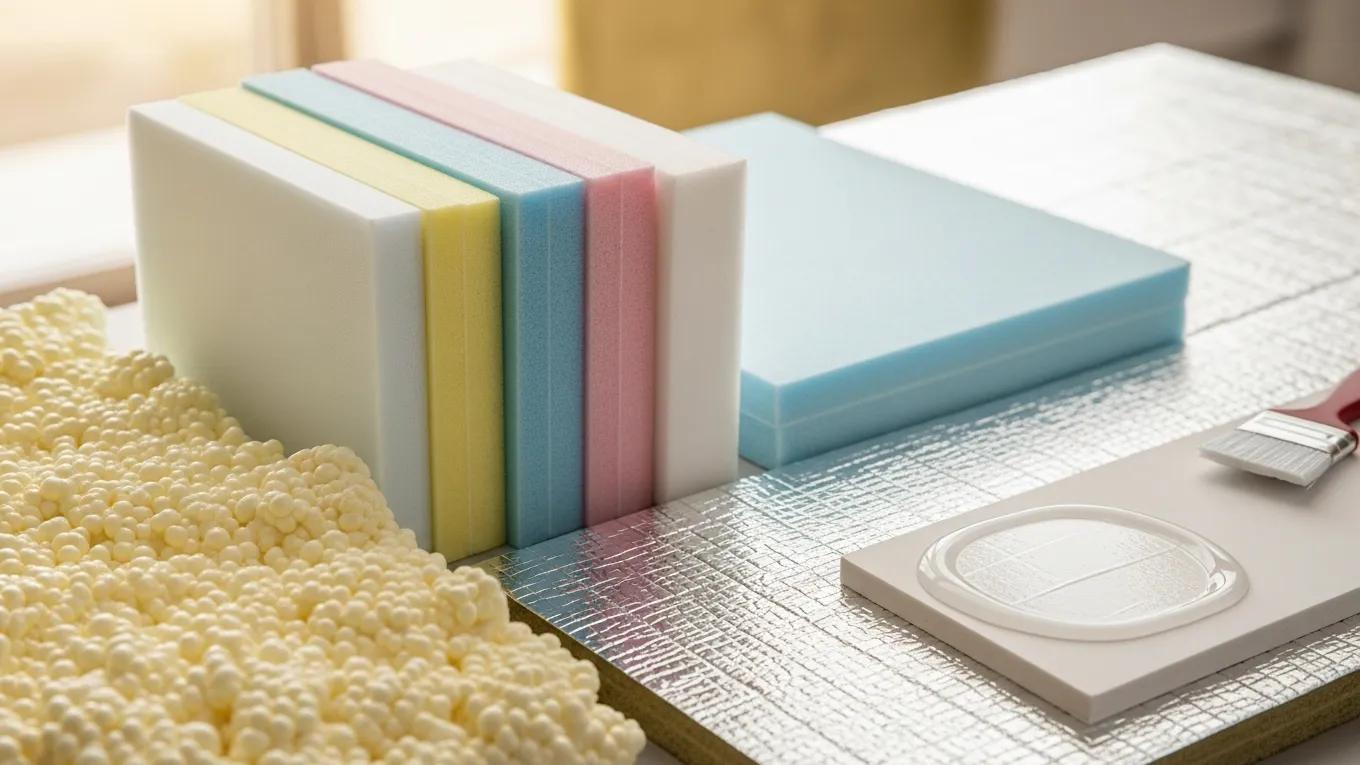
Spray foam insulation is known for its superior air sealing capabilities, which prevent air leaks and enhance thermal performance. Rigid foam insulation, on the other hand, offers high R-values and is ideal for various applications, including roofs and walls. Reflective coatings work by reflecting radiant heat away from the building, making them particularly effective in warmer climates.
Further studies emphasize the cost-effectiveness of reflective materials, especially when installed as cool roofs, for enhancing energy efficiency.
Cost-Effective Reflective Cool Roofs for Energy Efficiency
The cost effectiveness of reflective materials depends on the type of climate and the building envelope characteristics. The effectiveness of reflective materials when installed in buildings roofs (cool roofs) is evaluated.
Reflective materials for cost-effective energy-efficient retrofitting of roofs, I Hernández-Pérez, 2017
This comparison highlights the effectiveness and cost implications of each insulation type, allowing homeowners to choose the best option for their needs.
What Are the R-Value Ratings and Cost Implications of Each Material?
R-value measures the thermal resistance of insulation materials, indicating their effectiveness in preventing heat transfer. Higher R-values signify better insulation performance. Spray foam insulation typically offers the highest R-value, making it a preferred choice for energy efficiency. Rigid foam insulation also provides substantial R-values, while reflective coatings, although lower, can still contribute to energy savings, especially in sunny climates. Understanding these ratings helps homeowners assess the cost implications and long-term benefits of each insulation type.
How Can Roof Insulation Reduce Energy Costs and Improve Savings?
Investing in quality roof insulation can lead to significant energy savings over time. By minimizing heat loss in winter and heat gain in summer, insulation helps maintain a stable indoor temperature, reducing the reliance on heating and cooling systems. This not only lowers energy bills but also extends the lifespan of HVAC systems. For expert advice on maximizing these savings, consider consulting professional roofing services.
What Percentage of Energy Savings Can Spray Foam Insulation Provide?
Spray foam insulation can provide energy savings of up to 50% compared to traditional insulation methods. Its ability to create an airtight seal prevents drafts and heat loss, making it one of the most efficient insulation options available. Homeowners who have switched to spray foam often report substantial reductions in their energy bills, making it a worthwhile investment.
How Does Insulation Enhance Thermal Resistance and Comfort?
Insulation enhances thermal resistance by creating a barrier that slows down heat transfer. This results in a more comfortable indoor environment, as it helps maintain consistent temperatures throughout the year. Improved thermal resistance also contributes to better indoor air quality by reducing the likelihood of moisture buildup and mold growth.
Research further supports the idea that selecting appropriate insulation materials significantly improves indoor thermal comfort.
Roof Insulation Materials for Enhanced Indoor Comfort
One hundred and twelve combinations of wall and roof sections have been evaluated for selection of insulating materials for determining U-factor and R-value to satisfy ECBC requirements. The results of the study show that the selection of appropriate insulation materials can significantly improve indoor thermal comfort.
Experimental evaluation of insulation materials for walls and roofs and their impact on indoor thermal comfort under composite climate, 2013
What Are the Key Benefits of Professional Roof Insulation Installation?
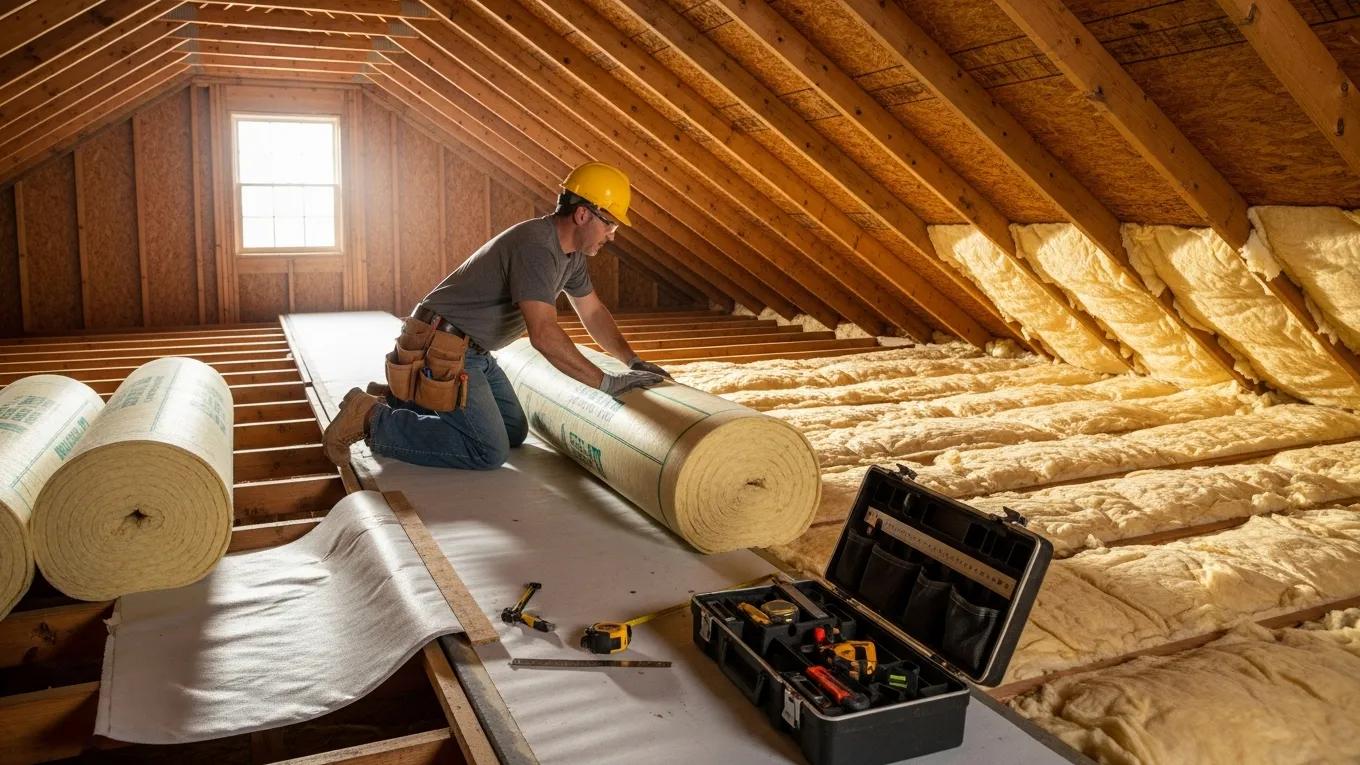
Professional installation of roof insulation ensures that materials are applied correctly and effectively, maximizing their performance. Experts understand the nuances of different insulation types and can recommend the best solutions based on specific building needs.
How Does Expert Installation Ensure Maximum Energy Efficiency?
Expert installation is crucial for achieving maximum energy efficiency. Professionals are trained to identify potential issues, such as air leaks and moisture problems, that can undermine insulation effectiveness. By ensuring proper application and sealing, they help homeowners realize the full benefits of their insulation investment.
What Are the Typical Installation Timelines and Cost Factors?
The installation timeline for roof insulation can vary based on the material and the size of the project. Generally, homeowners can expect installation to take between 1-3 days. Cost factors include the type of insulation chosen, the complexity of the installation, and any necessary preparatory work. Understanding these factors can help homeowners budget effectively for their insulation projects.
Which Local Rebates and Incentives Support Energy-Efficient Roof Insulation?
Many local programs offer financial incentives to encourage homeowners to upgrade to energy-efficient insulation. These incentives can significantly reduce the upfront costs associated with insulation installation.
What Central Florida Programs Offer Financial Support for Insulation Upgrades?
In Central Florida, various programs provide financial support for insulation upgrades. Homeowners may qualify for rebates or tax credits that can offset the costs of energy-efficient insulation materials and installation. Checking with local utility companies and government programs can reveal available options.
How Can Homeowners Access Free Roof Inspections and Quotes?
Homeowners interested in insulation upgrades can often access free roof inspections and quotes from local contractors. This service allows homeowners to assess their current insulation needs and receive estimates for potential upgrades. Engaging with professionals can provide valuable insights into the best insulation options tailored to individual homes.
