
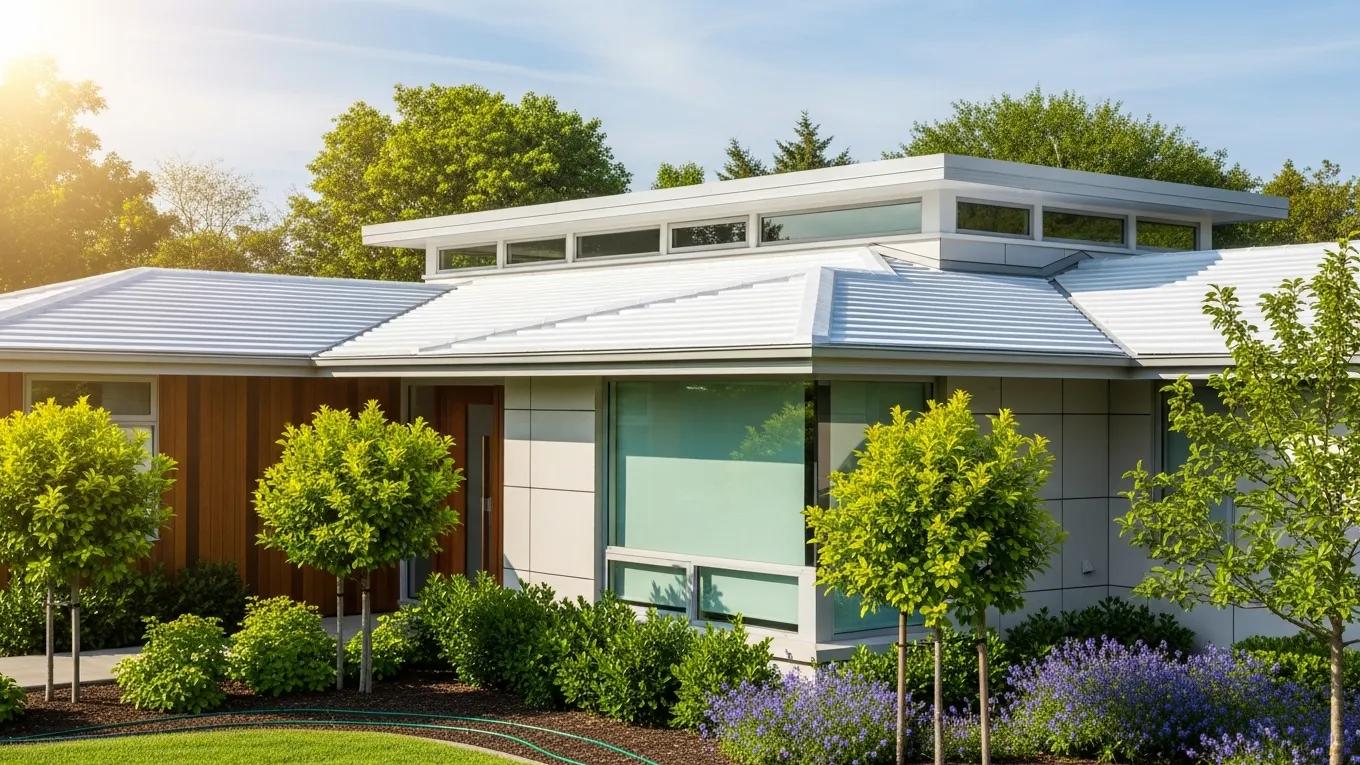
Best Roofing Options to Lower Utility Bills with Energy Efficient Materials and Solar Solutions
Choosing the right roofing materials can significantly impact your utility bills, especially in regions with extreme weather conditions. Energy-efficient roofing options not only help in reducing energy consumption but also contribute to a more sustainable environment. This article explores the best roofing options available that can lower utility bills, focusing on energy-efficient materials and solar solutions. Homeowners often face high energy costs due to inadequate insulation and inefficient roofing systems. By selecting the right materials and integrating solar solutions, you can achieve substantial savings on your utility bills. We will discuss various energy-efficient roofing materials, the benefits of solar solutions, and how these choices can lead to long-term financial benefits.
Energy-Efficient Roofing Materials
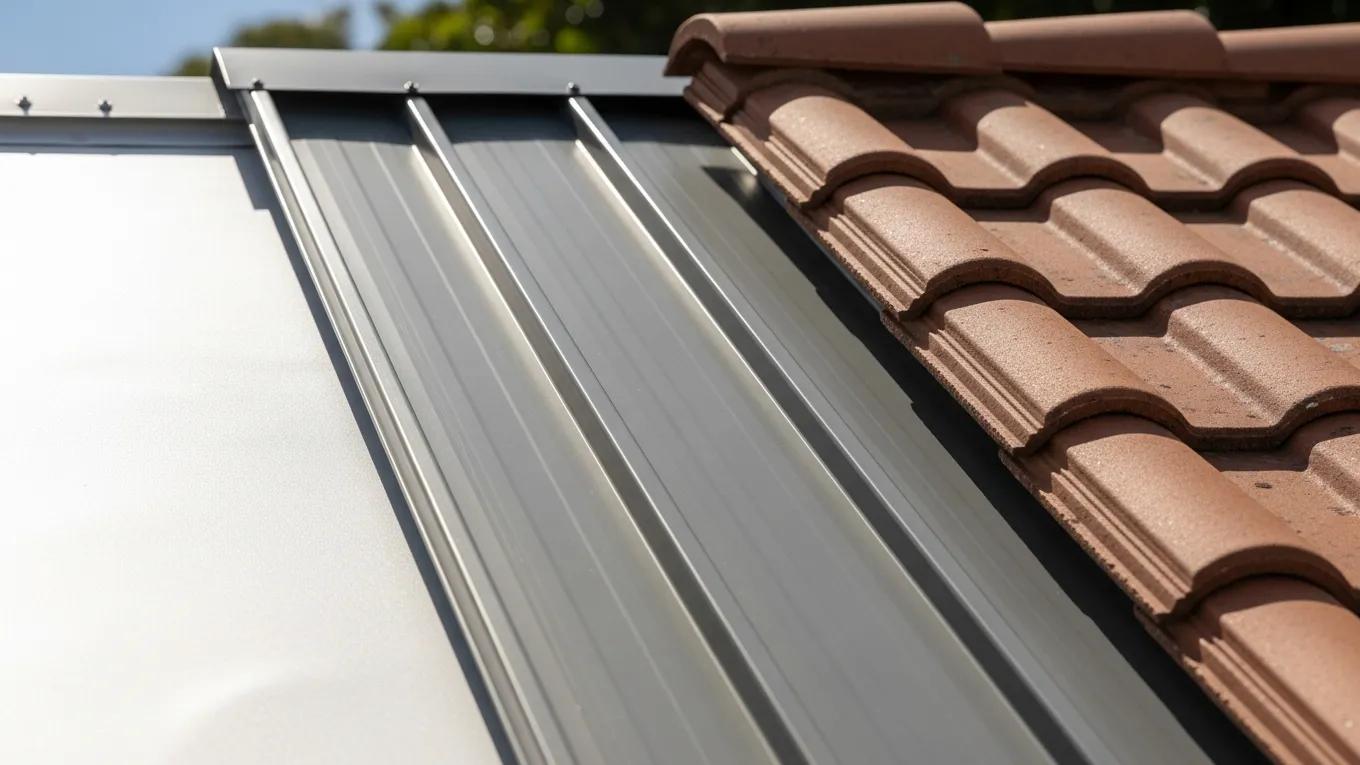
Energy-efficient roofing materials are designed to reflect more sunlight and absorb less heat than standard roofing materials. This characteristic helps in maintaining a cooler indoor environment, reducing the need for air conditioning and ultimately lowering energy bills. Some of the most effective energy-efficient roofing materials include:
- Cool Roofs: These roofs are made with reflective materials that can significantly lower roof temperatures, reducing cooling costs.
- Metal Roofing: Known for its durability and energy efficiency, metal roofing reflects solar radiant heat, which can lower cooling costs by 20-40%.
- Tile Roofing: Tile roofs provide excellent insulation and can be designed to reflect sunlight, making them a great choice for energy efficiency.
- TPO Roofing: Thermoplastic Olefin (TPO) is a single-ply roofing membrane that reflects sunlight and is highly energy-efficient.
Further research highlights the importance of comparing reflective and non-reflective roofing systems like TPO for their impact on thermal performance and energy savings, especially when integrated with thin-film solar panels.
Reflective & Non-Reflective Roofs with Thin-Film Solar Panels
In this study, TPO and EPDM are compared in terms of their effect on thin-film thermal performance. A thermal comparison of both the non-reflective (EPDM) and reflective (TPO) roofing systems would also be helpful in determining the overall energy savings.
Thermal Comparison of Reflective and Non-Reflective Roofs with Thin-Film Solar Panels, S Celik, 2012
These materials not only enhance the energy efficiency of your home but also contribute to its aesthetic appeal. For homeowners in Central Florida, Hi Low Roofing offers roofing installations with enhanced insulation properties that can help lower utility bills.
Studies confirm the effectiveness of cool roof technology in reducing summer cooling energy use, though its impact on winter heating needs can vary by climate.
Cool Roof Technology for Energy Savings
We studied the energy impact of a cool roof in an office building in London. Cool roofs and shade trees reduce summer cooling-energy use and also potentially increase winter heating-energy use, depending on the climate.
Cool roof technology in London: An experimental and modelling study, R Giridharan, 2013
Solar Solutions
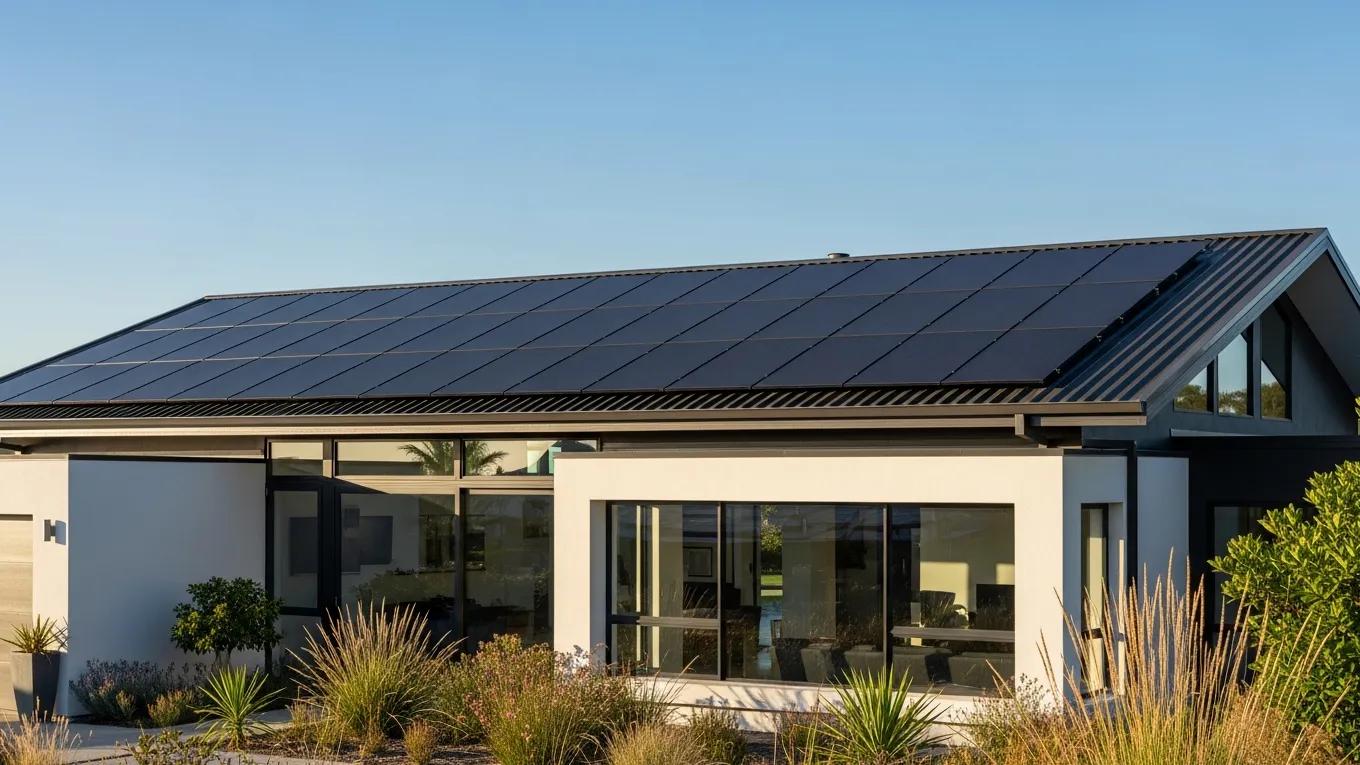
Solar roofing solutions are becoming increasingly popular as homeowners look for ways to reduce their energy costs. By integrating solar panels into your roofing system, you can harness the power of the sun to generate electricity, which can significantly lower your utility bills. The benefits of solar roofing include:
- Cost Savings: Solar panels can reduce or even eliminate your electricity bills, depending on your energy consumption and the size of your solar system.
- Increased Home Value: Homes with solar energy systems often have higher property values and sell faster than those without.
- Environmental Impact: Utilizing solar energy reduces your carbon footprint and reliance on fossil fuels.
Research emphasizes the architectural integration of solar panels into residential roofs, highlighting their potential to enhance both aesthetic quality and energy generation.
Integrating Solar Panels on Residential Roofs
This research aims to provide a comprehensive understanding of PV products that enable them to architecturally integrate it that can improve architectural quality besides generating solar energy in Iraqi Kurdistan. PV products have been divided for roofs, facades, and shading devices.
Integration of solar panels with the architectural context of residential buildings,
Erbil city as a case study, P Sktani, 2020
Hi Low Roofing provides free inspections and quotes for solar solutions, helping homeowners assess their energy needs and the potential savings from solar integration. This service builds trust and ensures that you make informed decisions about your roofing options.
How Can Solar Roofing Solutions Contribute to Lower Utility Bills?
Solar roofing solutions can drastically reduce electricity costs by generating clean energy directly from your roof. Homeowners can save thousands over the lifespan of their solar panels, especially with the current incentives available for solar energy systems. The integration of solar panels not only provides immediate savings but also protects against rising energy costs in the future.
What Types of Solar Panels Are Best Suited for Roofing Integration?
When considering solar panels for roofing integration, it’s essential to choose the right type. The most common types include:
- Monocrystalline Panels: Known for their high efficiency and sleek appearance, these panels are ideal for residential installations.
- Polycrystalline Panels: These are slightly less efficient but are often more affordable, making them a popular choice for budget-conscious homeowners.
- Thin-Film Panels: Lightweight and flexible, these panels can be integrated into various roofing materials but typically have lower efficiency.
Impact on Utility Costs
The choice of roofing materials and solar solutions can have a significant impact on utility costs. Energy-efficient roofs can lead to substantial savings on cooling and heating expenses. Homeowners can expect to see a reduction in their utility bills as they invest in better insulation and reflective materials. Additionally, solar solutions can provide long-term savings by offsetting electricity costs.
What Are the Cost and Savings Considerations for Upgrading to Energy Efficient Roofing?
Upgrading to energy-efficient roofing materials involves an initial investment, but the long-term savings can be substantial. Homeowners should consider the following factors:
- Initial Costs: While energy-efficient materials may have a higher upfront cost, they often pay for themselves through reduced energy bills.
- Return on Investment (ROI): Many energy-efficient roofing options offer a high ROI, especially when combined with solar solutions.
- Incentives and Rebates: Homeowners may qualify for various incentives and rebates that can offset the cost of upgrading to energy-efficient roofing.
How Do Installation Costs Compare Across Different Roofing Materials?
Installation costs can vary significantly depending on the type of roofing material chosen. Generally, metal and tile roofing may have higher installation costs compared to traditional asphalt shingles, but their longevity and energy efficiency can lead to lower overall costs in the long run. It’s essential to consult with a professional roofing service to get accurate estimates based on your specific needs.
Additional Considerations
When selecting roofing materials, homeowners should also consider other factors that influence energy efficiency. These include:
- Incentives for Energy-Efficient Upgrades: Many local and federal programs offer financial incentives for homeowners who choose energy-efficient roofing options.
- Importance of Complete Roofing Systems: A well-designed roofing system that includes proper insulation and ventilation is crucial for maximizing energy efficiency.
- Long-Term Investment Considerations: Investing in energy-efficient roofing is not just about immediate savings; it’s also about enhancing the overall value and comfort of your home.
Why Choose Professional Roofing Services with Free Inspections and Quotes?
Choosing professional roofing services ensures that you receive quality installations and expert advice. Hi Low Roofing offers free inspections and quotes, allowing homeowners to identify energy-saving opportunities and make informed decisions about their roofing options. This service not only builds trust but also helps homeowners understand the potential benefits of upgrading their roofing systems.
How Do Free Inspections Help Identify Energy Saving Opportunities?
Free inspections are an excellent way for homeowners to assess their current roofing systems and identify areas for improvement. During an inspection, professionals can evaluate insulation levels, ventilation systems, and overall roof condition. This assessment helps homeowners understand how they can enhance their energy efficiency and lower utility bills.
What Guarantees and Warranties Support Reliable Roofing Upgrades?
When investing in roofing upgrades, it’s essential to consider the guarantees and warranties offered by roofing companies. Reliable roofing services provide warranties that cover workmanship and materials, ensuring that homeowners are protected against potential issues. Understanding these guarantees can give homeowners peace of mind as they invest in energy-efficient roofing solutions.
