
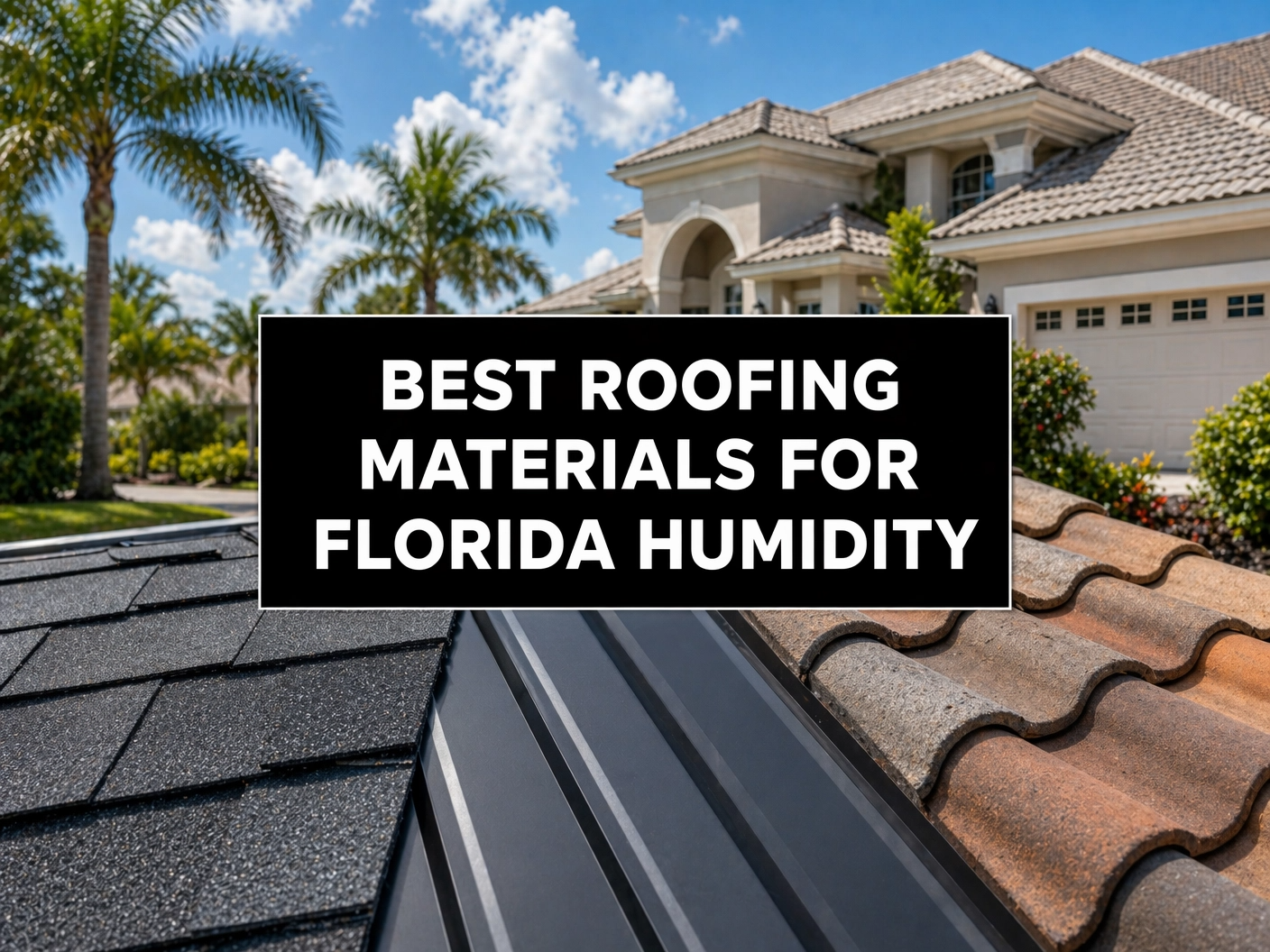
Picture this: it’s July in Orlando. The air feels like a wet blanket. You step outside and it’s 94 degrees before noon. Then, out of nowhere, the sky opens up with a storm that dumps a half-inch of rain in 20 minutes. Now ask yourself, is your roof really built for that? If you’re not sure, you’re not alone. is one of the biggest decisions a homeowner here can make, and most people don’t think about it until there’s already a problem. Choosing the best roofing materials for Central Florida’s humidity
Here at Hi Low Roofing, we’ve been protecting homes across Central Florida for over 15 years. With more than 100 years of combined team experience, we know exactly what this climate does to a roof. So let’s break it down together. Below, we’re going over the top roofing materials for Florida homes, what makes each one tick, and which ones hold up best when the humidity and heat come knocking every single day.
Why Central Florida’s Humidity Is So Hard on Roofs
Before we talk solutions, let’s talk about the problem. Central Florida, including Orlando and the surrounding areas, sits in one of the most challenging climates in the entire country for roofing. Here’s what makes it so tough:
- High humidity year-round: Average humidity in the Orlando area regularly climbs above 70% and hits 90%+ during summer months. That constant moisture seeps into roofing materials that aren’t designed for it.
- Intense UV radiation: Florida gets more sun than almost any other state. Ultraviolet (UV) rays break down roofing materials faster here than they do up north.
- Frequent heavy rain: Central Florida averages over 50 inches of rain per year. That’s more than Seattle, by the way.
- Hurricane season: From June to November, the threat of high winds and storm damage is very real for every Central Florida homeowner.
- Mold and algae growth: The warm, wet environment is basically a perfect home for algae, mold, and moss. If your roof isn’t resistant to these, you’ll notice ugly dark streaks and potential damage within just a few years.
Now that you understand the challenge, let’s look at which roofing materials are actually up to the task.
The Best Roofing Materials for Central Florida’s Humidity
1. Metal Roofing
If you want a roof that laughs at Florida’s weather, metal is hard to beat. In fact, metal roofing has become one of the most popular choices for Central Florida homeowners in recent years, and for good reason.
- Lasts 40 to 70 years with proper maintenance
- Highly resistant to mold, algae, and moisture because water rolls right off without soaking in
- Reflects UV rays, keeping your home cooler and lowering your energy bills
- Wind resistant up to 140 mph or more, depending on the panel type
- Eco-friendly and often made from recycled materials
On the flip side, metal roofing does cost more upfront. However, when you look at the long-term savings on repairs, replacements, and energy costs, many Florida homeowners find it pays for itself over time.
2. Concrete and Clay Tile Roofing
Drive through almost any neighborhood in Orlando, Kissimmee, or Lake Nona and you’ll notice something right away: lots of tile roofs. That’s no accident. Tile roofing has been a go-to in Florida for decades because it handles humidity and heat extremely well.
- Clay tile is naturally resistant to moisture and won’t rot or corrode
- Concrete tile is a more affordable option that still offers strong durability
- Both types allow airflow underneath, which reduces heat buildup in your attic
- Life expectancy of 50 years or more for clay, and 30 to 50 years for concrete
- Holds up well against mold and algae when treated with the right coatings
One thing to keep in mind is that tile roofs are heavy. Your home’s structure needs to be able to support the weight. A professional roof inspection will tell you whether your home is a good candidate. At Hi Low Roofing, we check this as part of every consultation.
3. Asphalt Shingles (Algae-Resistant)
Asphalt shingles are the most common roofing material in the United States. But here’s the thing, not all asphalt shingles are created equal when it comes to Florida’s humidity. Standard shingles can develop algae streaks and degrade quickly in this climate. That’s exactly why you need to look for algae-resistant shingles specifically made for hot, humid climates.
- Algae-resistant shingles contain copper granules that stop algae growth before it starts
- More affordable upfront than metal or tile
- Life expectancy of 15 to 30 years in Florida conditions
- Available in many styles and colors to match your home’s look
- Easier and faster to install, which means lower labor costs
Even still, if you’re in a very shaded area with heavy tree coverage, algae-resistant shingles may still need more frequent cleaning and maintenance than metal or tile. That said, for budget-conscious homeowners, a quality algae-resistant shingle is a solid choice.
4. Flat Roofing Systems (For Commercial Properties)
For businesses across Orlando and the greater Central Florida area, flat roofing systems are the standard. However, flat roofs come with their own set of challenges in a humid climate, mainly because water doesn’t run off naturally the way it does on a pitched roof.
The good news is that modern flat roofing materials have improved significantly. At Hi Low Roofing, we work with top commercial roofing systems that are designed to drain effectively, resist moisture intrusion, and stand up to Florida’s intense sun and rain cycles.
5. Synthetic Roofing Materials
Synthetic roofing is a newer option that’s gaining traction in Florida. Think of it this way, you get the look of slate, wood shake, or tile, but with performance engineered specifically for harsh climates.
- Lightweight: Much lighter than natural tile or slate, making it easier on your home’s structure
- Highly resistant to mold, algae, UV damage, and moisture
- Can last 40 to 50 years with minimal maintenance
- Often comes with strong impact resistance ratings, which matters during hail storms
All things considered, synthetic roofing is a premium option that’s worth exploring if you want long-term performance without the weight of traditional tile.
What Orlando’s Climate History Tells Us About Roofing
Central Florida wasn’t always the bustling metro area it is today. The Orlando area was largely citrus grove country through the early 1900s, and the local builders quickly learned that the subtropical climate required a different approach to construction. As the region grew, especially after Walt Disney World opened in 1971 and brought a massive population boom, builders started adopting clay and concrete tile roofing at scale because they could see firsthand how poorly traditional northern-style wood roofing held up in this humidity.
Fast forward to today, and that lesson still holds. The best roofing materials for Central Florida’s humidity are ones that respect what this climate demands. When you drive through communities like Oviedo, Windermere, Celebration, or Winter Garden, you’ll see that the roofs which age the best are almost always tile or metal. This is no coincidence. It’s generations of Central Florida homeowners learning what actually works here.
Warning Signs Your Current Roof Is Struggling With Humidity
Before we wrap up, here are some things to watch for that could mean your current roof isn’t handling Florida’s humidity as well as it should:
- Dark streaks or black staining on your shingles or tiles (usually algae or mold)
- Curling or bubbling shingles caused by moisture getting trapped underneath
- Visible moss or lichen growth, which retains moisture and speeds up roof decay
- Water stains on your ceiling inside the house, which point to leaks or poor ventilation
- Granules in your gutters, a sign that asphalt shingles are deteriorating
- Sagging roof sections, which can indicate moisture damage to the underlying deck
If you’re seeing any of these signs, don’t wait. Humidity damage gets worse fast in Florida. A small issue today can become a major repair, or a full roof replacement, much sooner than you think.
Frequently Asked Questions
Q: Is a metal roof too loud during Florida’s heavy rainstorms?
A: This is one of the most common myths about metal roofing. With proper insulation and solid sheathing underneath, most homeowners say a metal roof during a rainstorm sounds very similar to any other roof. Some even say they can’t tell the difference at all. The loud, rattling metal roof image comes from older barn-style metal sheets, not modern residential metal roofing systems.
Q: Can Florida’s humidity void my roofing warranty?
A: Generally, no. Most reputable roofing manufacturers offer warranties designed for all U.S. climates, including Florida. However, improper installation can void a warranty regardless of climate. That’s why choosing a licensed, experienced roofer matters a lot more than most homeowners realize.
Q: How often should I have my roof inspected in Central Florida?
A: Roofing professionals recommend at least one inspection per year in Florida, ideally before hurricane season in June. If your area experienced a major storm, get an inspection right after, even if you don’t see obvious damage. Hidden damage from wind or moisture can worsen quickly in our climate.
Q: Does the color of my roof affect how it handles Florida heat and humidity?
A: Yes, it does. Lighter-colored roofing materials reflect more sunlight and stay cooler, which reduces heat buildup in your attic and can lower cooling costs. In Central Florida, this is a real benefit. Metal and tile roofing both offer color options that are optimized for Florida’s solar conditions.
Q: My neighbor’s roof looks fine but mine keeps growing algae. Why?
A: Algae growth depends heavily on shade, airflow, and the specific roofing material. If your roof gets less direct sun, stays wetter longer, or has older shingles without algae-resistant granules, you’ll see more growth. A good cleaning plus an upgrade to algae-resistant materials can solve the problem for years.
