

For homeowners in St. Petersburg and across Central Florida, the best metal roofing materials are aluminum and coated galvalume steel. Why? They offer exceptional resistance to the salt corrosion and high winds that define our coastal and inland environments. These systems are a smart, long-term investment, giving you superior longevity and energy efficiency in Florida's demanding climate.
Why Metal Is the Premier Roofing Choice in St. Petersburg and Beyond
Living in Central Florida, from Pinellas County to Orlando, is a trade-off. We get the beautiful sunshine and coastal breezes, but our homes have to be built to withstand some seriously harsh conditions. Between the intense UV radiation, high humidity, and the ever-present threat of hurricanes, your roof is your home’s first line of defense. This is exactly why metal roofing has become the go-to choice for savvy homeowners across the region.
Unlike traditional materials like asphalt shingles that bake and degrade under the relentless Florida sun, metal roofing is engineered for resilience. It’s built to stand up to the unique combination of weather events that define our region, offering real protection and peace of mind.
Built for Florida’s Toughest Conditions
A metal roof isn't just a covering; it's a complete system designed to counter specific local threats. Its core advantages directly solve the biggest worries for St. Petersburg and Central Florida residents.
- Hurricane Resistance: Metal roofing systems are engineered for incredible wind uplift resistance. When installed correctly by a skilled team from Hi Low Roofing, they can withstand wind speeds of 140 mph or higher—a critical feature when a hurricane is bearing down. Our guide to hurricane-proof roofing dives deeper into how these systems keep your home safe.
- Energy Efficiency: The reflective surface of a metal roof can make a huge difference in your cooling costs. By bouncing solar heat away from your home instead of absorbing it, a metal roof lessens the strain on your HVAC system. That translates to real savings on your monthly energy bills.
- Longevity and Value: Here’s the big one: durability. A properly installed metal roof can last 40 to 70 years, which is two to three times longer than a typical asphalt shingle roof. In coastal areas like St. Pete, aluminum and zinc-coated steel are especially valuable because they naturally resist the corrosive salt air.
Choosing a metal roof in St. Petersburg is an investment in your home’s future. It’s a proactive decision to safeguard your property against severe weather while enhancing its value and reducing long-term maintenance costs.
A Quick Comparison with Traditional Roofing
To really see the difference, let’s put metal side-by-side with asphalt shingles, keeping our local climate in mind.
| Feature | Metal Roofing | Asphalt Shingles |
|---|---|---|
| Average Lifespan | 40-70+ years | 15-25 years |
| Hurricane Performance | Superior wind uplift resistance | Vulnerable to wind damage |
| Corrosion Resistance | Excellent (especially aluminum) | Not applicable |
| Energy Savings | High solar reflectivity | Absorbs and retains heat |
In the end, selecting the best metal roofing for a home in Central Florida is about prioritizing long-term resilience over short-term savings. Its ability to perform under pressure makes it the smartest choice for protecting your most valuable asset.
Comparing Metal Roofing Materials for Coastal and Inland Homes
When it comes to putting a metal roof on your home in St. Petersburg or anywhere in our service area from Pinellas County to Orlando, choosing the right material is the single most important decision you'll make. Not all metals can handle what our climate throws at them—a constant barrage of salt spray near the coast, intense sun, and the threat of hurricane-force winds. The metal you pick will directly dictate your roof's lifespan, how much maintenance it needs, and its ability to protect your home year after year.
This isn't about finding a single "best" option. It's about matching the right material to your specific location. A home looking out over Treasure Island faces a much different fight than one in Orlando. Let’s break down the top contenders—Aluminum, Galvalume Steel, and Zinc—based on what really matters here in Florida.
Aluminum: The Coastal Champion
If your home is right on the water or even just a few miles from the coast, aluminum is almost always the undisputed champion. Its biggest selling point is a natural immunity to corrosion. Unlike steel, aluminum simply doesn't rust when it's hit with the salty, humid air that defines our area. It instantly forms its own protective layer of aluminum oxide, stopping deterioration in its tracks.
This makes aluminum a fantastic long-term investment for waterfront properties in places like St. Pete Beach or Tierra Verde. Yes, the upfront cost is a bit higher than steel, but its resilience in a high-salt environment means you're not facing premature replacement or rust-related repairs down the road. It's also lightweight, which reduces the structural load on your home, and highly reflective, which can lead to real energy savings during our long, blistering summers.
Galvalume Steel: A Durable and Cost-Effective Contender
Once you move a bit further inland, Galvalume steel emerges as a phenomenal and more budget-friendly choice. Galvalume isn't just plain steel; it's a carbon steel sheet coated with a tough alloy of zinc and aluminum. This coating gives it impressive corrosion resistance, blowing older galvanized steel (which only used zinc) out of the water.
This material hits a sweet spot, balancing strength, durability, and cost. It's heavier and more rigid than aluminum, which gives it top-notch resistance to denting from hail or falling branches. For most Central Florida homeowners who aren't right on the Gulf, a high-quality Galvalume roof with a professional coating offers bulletproof protection without the premium price of aluminum.
The secret to making Galvalume last in a coastal region is twofold: the quality of the protective coating and a flawless installation. Any deep scratch or exposed cut edge can become a weak point for rust, which is why hiring an expert installer like Hi Low Roofing is non-negotiable.
It's also important to remember that even homes several miles inland can get salt spray carried by storm winds. That’s why opting for a premium paint finish, like one using Kynar 500® resin technology, on Galvalume panels is a smart move. It adds another critical layer of defense and ensures the roof holds up for decades.
Zinc: The Premium, Self-Healing Option
For those wanting to make an architectural statement with a roof that will outlast them, zinc is in a class of its own. Zinc is what we call a "living" material. When exposed to the elements, it develops a beautiful protective layer called a patina. This chalky-gray coating isn't just for looks—it actively "heals" itself from scratches, providing continuous protection for a century or more.
Zinc's corrosion resistance is exceptional, making it perfectly suitable for coastal homes. But its real draw is its unique aesthetic and almost unbelievable durability.
- Longevity: A zinc roof can easily last 100 years or more, making it a true once-in-a-lifetime investment.
- Self-Healing: That natural patina means minor scuffs and scratches will literally disappear over time as the protective layer re-forms.
- Aesthetics: It delivers a sophisticated, elegant look that works just as well on a modern build as it does on a historic home.
The main factor to weigh with zinc is its cost, which is significantly higher than both aluminum and Galvalume. It also demands specialized installation by craftsmen who truly understand its unique properties. For a luxury custom home or a historic restoration where you want absolute permanence, zinc is an extraordinary choice.
To help you see how these materials stack up, here’s a straightforward comparison based on the factors that matter most in our climate.
Material Performance in Central Florida's Climate
Choosing a material is a balancing act between your home's specific location, your budget, and how long you want the roof to last. This table breaks down the key performance indicators for our top three metal choices in the context of a challenging Florida environment.
| Material | Salt Corrosion Resistance | Hurricane Wind Rating | Average Lifespan | Best For |
|---|---|---|---|---|
| Aluminum | Excellent – Does not rust | Very High | 40-70+ Years | Beachfront and waterfront properties directly exposed to salt spray. |
| Galvalume Steel | Good to Very Good | Excellent | 40-60+ Years | Homes inland from the coast seeking a durable, cost-effective option. |
| Zinc | Excellent – Self-healing patina | Very High | 100+ Years | Architectural and luxury homes where longevity and aesthetics are paramount. |
At the end of the day, the best metal roofing for your home comes down to your proximity to the coast, your budget, and your long-term goals. By understanding the real-world differences between these materials, you can make a confident choice that will protect your home beautifully for decades.
Understanding the True Cost of a Metal Roof in Central Florida
It’s easy to get fixated on the initial price tag when you're looking at metal roofing for your home. But the real cost isn't just about the per-square-foot estimate you get upfront. It’s a long-term calculation where durability, energy savings, and even insurance discounts come together to create a powerful return on your investment.
Think of it this way: a metal roof isn't just an expense. It's a strategic upgrade that pays you back over time by cutting down on household costs and giving you serious peace of mind, especially here in Central Florida.
Breaking Down the Upfront Investment
So, what goes into that initial number? The cost of a metal roofing project isn't a one-size-fits-all figure. It’s a price tailored to the specific needs of your residential or commercial property, and a few key variables drive the final quote.
- Material and Grade: As we've covered, aluminum comes at a different price point than Galvalume steel. The metal's thickness (its gauge) and the quality of the protective paint finish also play a big part in the cost.
- Roof Complexity: A straightforward, low-pitch gable roof is simpler and less expensive to install than a complex roof full of hips, valleys, dormers, and skylights. Every angle and feature requires more custom fabrication and detailed labor from the crew.
- Expert Installation: The quality of the installation is everything. While it's tempting to jump at the lowest bid, remember that a proper installation by a licensed and insured contractor like Hi Low Roofing is what ensures your roof actually performs during a hurricane and keeps your warranty intact.
This decision tree helps visualize how factors like your home's location and budget can guide you toward the right roofing material.
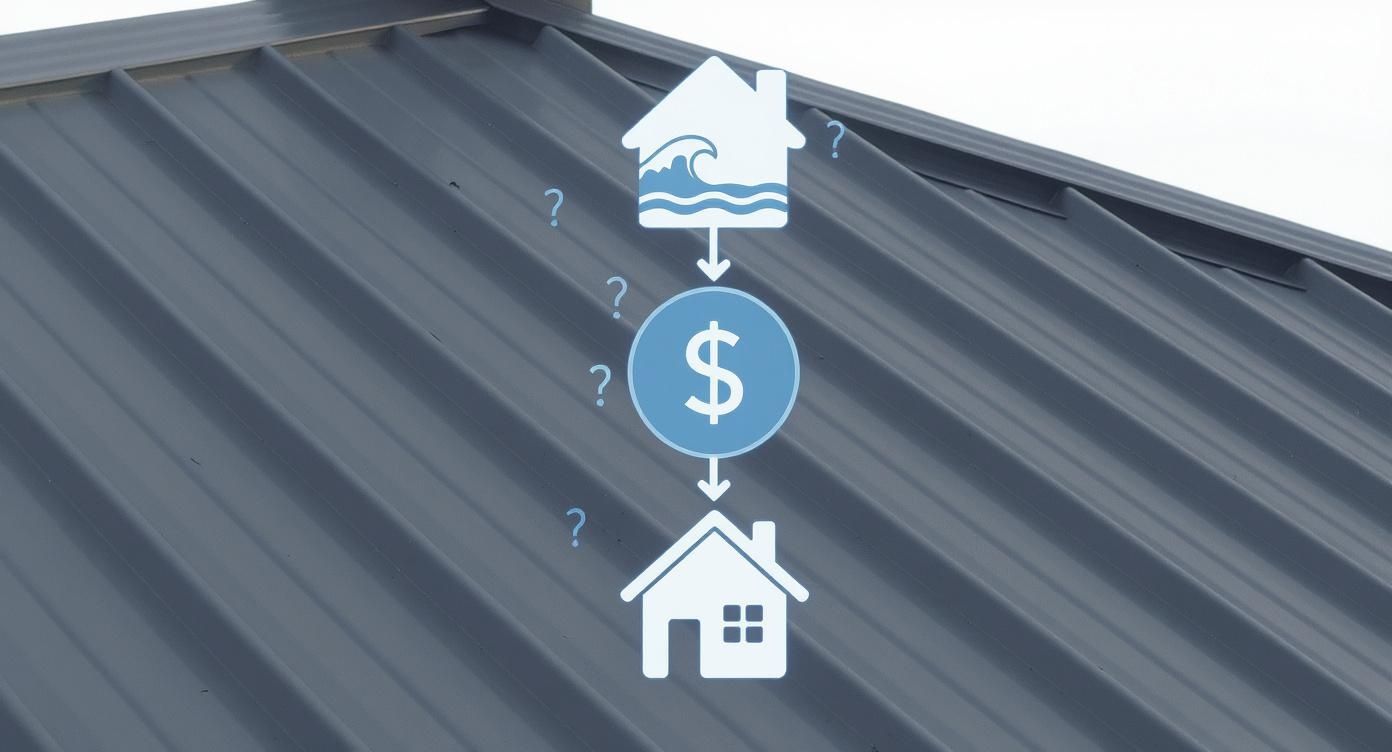
As you can see, homes right on the coast get the most out of aluminum’s fantastic corrosion resistance. If you’re a bit further inland, you can find incredible value and durability in a high-quality coated steel system.
The Long-Term Savings That Define True Value
This is where a metal roof really pulls away from the pack. The upfront cost is just the first chapter; the real financial payoff comes over the decades you live under it.
In Florida, metal roof installation can run anywhere from $8 to $16 per square foot, but that investment quickly unlocks some serious long-term financial perks. One of the biggest is energy savings. A metal roof's reflective surface can slash your cooling costs by a whopping 30% to 40% during our brutal summers. Of course, keep in mind that tariffs on imported steel and aluminum can sometimes shift material prices. To get a closer look at the numbers, you can explore this detailed metal roof versus shingle costs breakdown.
By reflecting solar heat, a metal roof dramatically reduces the workload on your HVAC system. This not only cuts down your monthly utility bill but also extends the lifespan of your cooling equipment, helping you avoid another major replacement cost down the line.
Insurance Discounts and Increased Property Value
For Central Florida homeowners, another huge financial win comes from insurance savings. When you have a metal roof installed that meets Florida's tough building codes, you can qualify for significant wind mitigation credits.
Insurers see these roofs as a much lower risk because they offer superior protection against hurricane-force winds. They reward homeowners for that lower risk with lower annual premiums, a discount that can offset a huge chunk of the roof's cost over its lifetime.
And finally, a high-quality metal roof is a major selling point. It boosts your home's curb appeal and tells potential buyers that the house is durable, well-protected, and energy-efficient. That translates directly to a higher resale value when it’s time to sell.
Matching Your Metal Roof Style to Your Home's Aesthetic
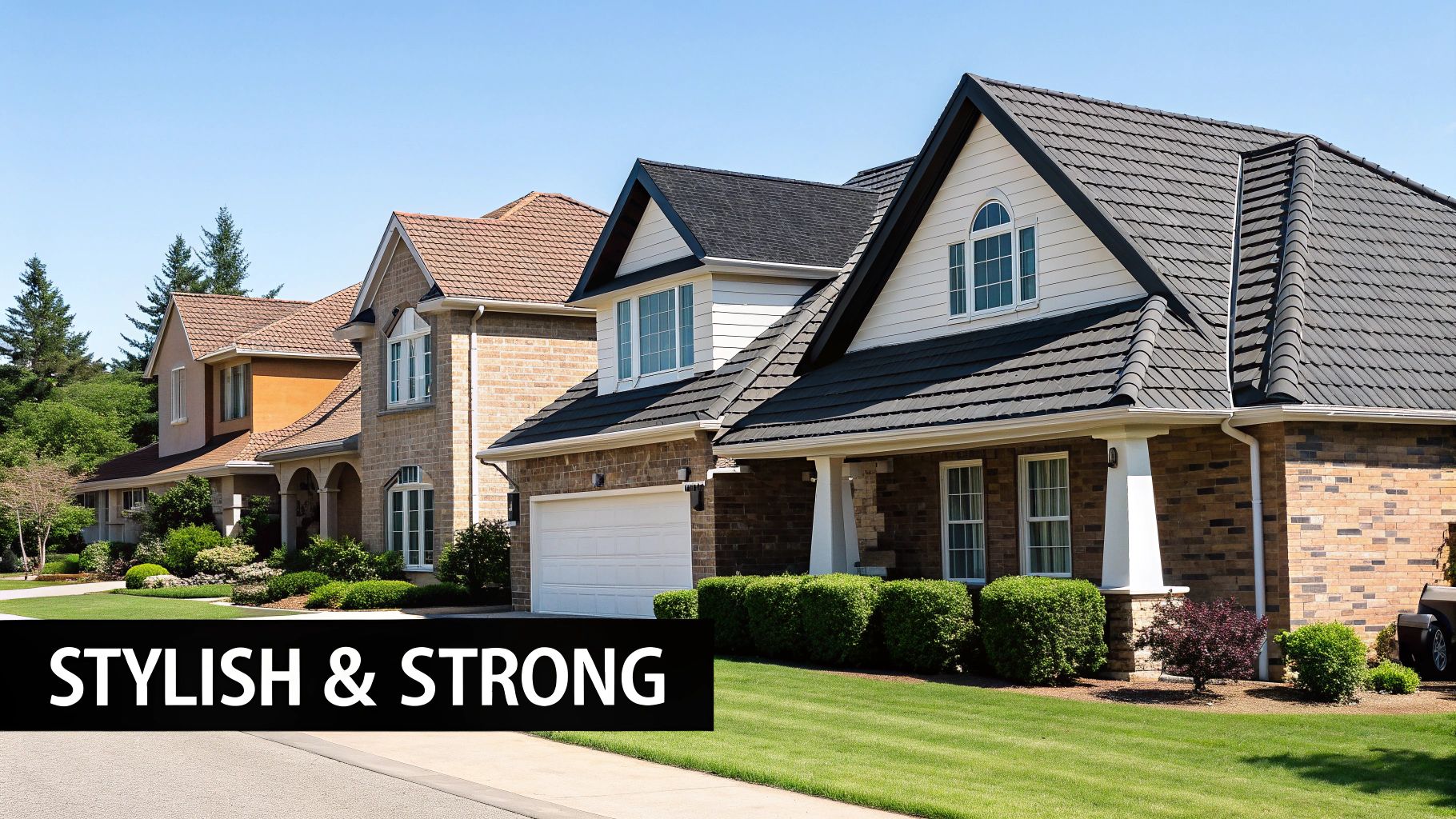
While we talk a lot about the resilience and longevity of metal roofing, let's be honest—how it looks is just as important. The right profile and color can completely transform your home's curb appeal, tying all its architectural features together for a polished, intentional look. Luckily, the days of "one-size-fits-all" metal roofing are long gone. Today’s options offer a huge range of styles, so Central Florida homeowners can find a perfect match that's both beautiful and incredibly strong.
Choosing the best metal roofing for a St. Pete home means finding a system that not only stands up to hurricanes but also complements the unique character of your property. Whether you're aiming for sleek, contemporary lines or a more traditional texture, there's a metal roof profile that fits the bill.
Standing Seam for Clean, Modern Lines
If you love a crisp, contemporary aesthetic, standing seam metal roofing is the top choice. It’s defined by clean vertical lines and smooth, flat panels that create a very sharp look. The "seams" are the raised, interlocking connections between the panels, which produce a striking visual rhythm while also creating a highly weather-tight seal.
What really makes standing seam a premium option is its concealed fastener system. Every screw and clip is hidden beneath the panels. This detail not only delivers that flawless, modern finish but also gets rid of thousands of potential points for water to sneak in. It’s a design that’s exceptionally good at fending off the wind-driven rain we see in tropical storms and hurricanes.
5V-Crimp for a Classic Florida Vibe
Looking for something more traditional or rustic that feels quintessentially Florida? 5V-Crimp is an excellent way to go. This profile uses an exposed fastener system where the screws are visible, giving it a classic, almost utilitarian charm. Its distinct "V" shaped ribs create a recognizable pattern that’s been a staple in the region for generations.
While the exposed fasteners mean it doesn't offer the same seamless water protection as a standing seam system, a properly installed 5V-Crimp roof is still incredibly durable and wind-resistant. It gives you a timeless look that works especially well on bungalows, ranch-style homes, and coastal cottages, delivering solid performance in a more cost-effective profile.
When you're weighing different roof styles, you have to balance the look you want with the performance you need. For instance, the concealed fasteners of a standing seam roof provide a superior defense against wind uplift and water penetration, making it an ideal choice for homes in high-velocity hurricane zones.
Stone-Coated Steel for Traditional Texture
What if you want the unbeatable durability of metal but you’re in love with the classic look of Spanish tile or architectural shingles? Stone-coated steel roofing gives you the best of both worlds. These systems start with steel panels that are stamped into different shapes and then coated with a thick layer of stone granules.
This process results in a product that beautifully mimics the look of other materials but with the strength and longevity of steel baked right in.
- Mimics Traditional Styles: You can get the exact look of clay tile, wood shake, or slate without dealing with their weight or constant maintenance issues.
- High Performance: Stone-coated steel offers fantastic resistance to wind, hail, and fire, making it a tough-as-nails choice for the Florida climate.
- Textured Appeal: The granules add a ton of depth and texture, diffusing sunlight and creating a rich, dimensional appearance that really boosts curb appeal.
This versatility makes stone-coated steel a fantastic solution for homes in neighborhoods with specific architectural rules or for homeowners who want to keep a classic aesthetic while upgrading to superior metal protection. At the end of the day, the style you choose will define your home's character for decades, so finding that sweet spot between visual appeal and climate-ready performance is key.
Why Expert Installation Is Non-Negotiable in Florida
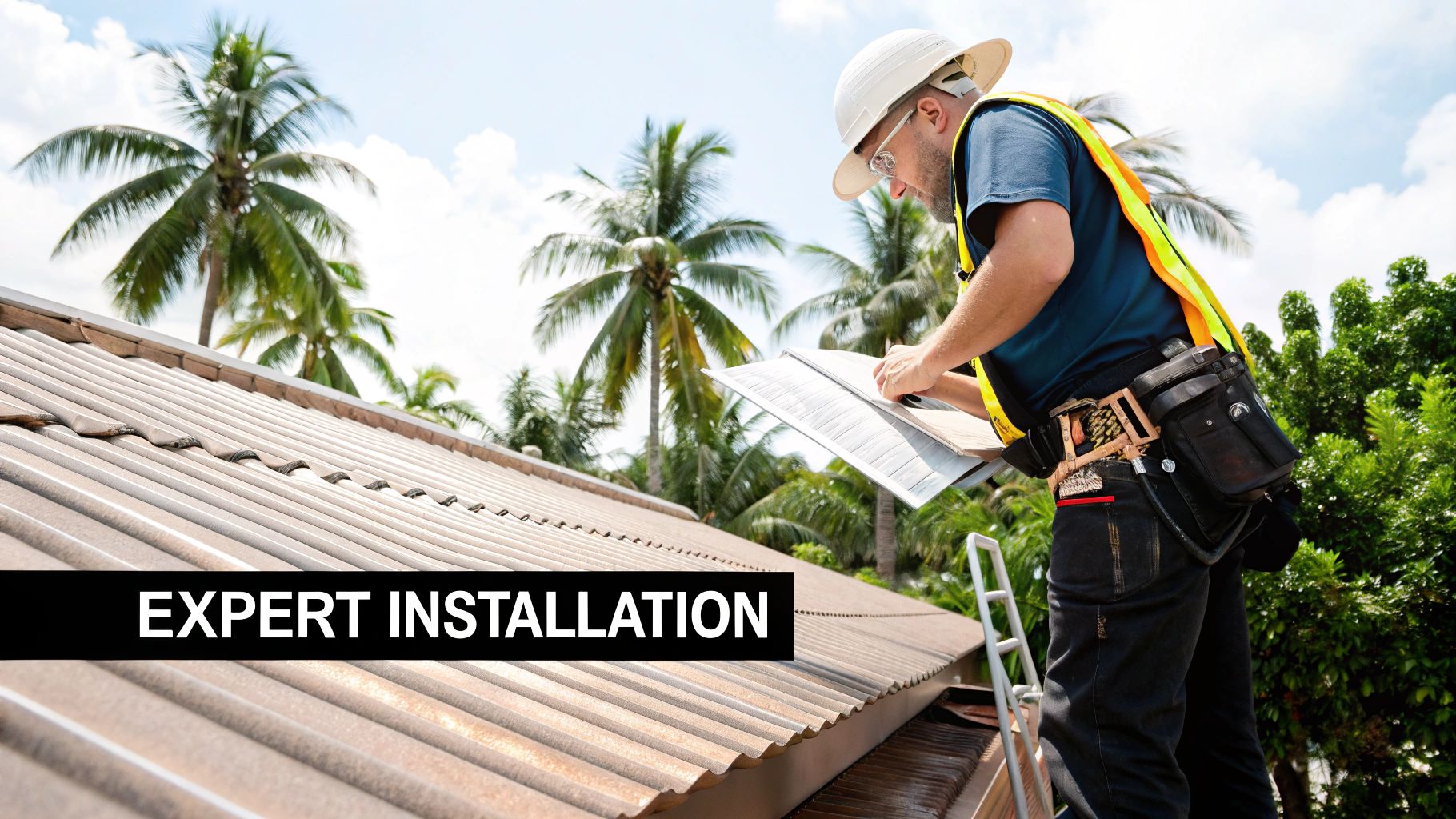
It’s easy to get caught up in choosing the perfect material and style for your roof, but here's a hard truth: the most advanced metal roofing system is only as good as the hands that install it. In Central Florida, where our roofs face a relentless assault from hurricanes, torrential rain, and corrosive salt air, professional craftsmanship isn't just a nice-to-have—it's everything.
A flawless installation is the final, critical step that unlocks the full protective power of your investment. Without it, even the most sophisticated panels can fail, leading to leaks, wind damage, and a manufacturer’s warranty that’s suddenly worthless. That’s why you have to partner with a qualified local roofer like Hi Low Roofing. We live and breathe Florida’s strict building codes and know what it takes to build a roof that stands up to our weather.
The Dangers of Improper Installation in a Hurricane Zone
Here in Florida, a tiny installation mistake isn’t just a mistake—it’s a potential catastrophe. When a hurricane bears down, improperly fastened panels can be peeled away by the wind like a tin can lid, starting a domino effect that can tear the whole roof apart. The difference between a roof that holds strong and one that fails often boils down to the smallest details.
Common shortcuts or errors that lead to disaster include:
- Incorrect Fastener Placement: Using the wrong type of screw, too few of them, or placing them incorrectly severely compromises the roof's ability to resist wind uplift.
- Improperly Sealed Flashing: Sloppy work around chimneys, vents, and skylights is an open invitation for wind-driven rain to pour into your home, causing massive water damage.
- Ignoring Thermal Movement: Metal naturally expands and contracts with the heat. An installer who doesn’t account for this will end up with buckled panels and loose fasteners over time.
Verifying a Contractor's Qualifications
To protect your investment, you absolutely must do your homework on any contractor you consider. Florida has a high concentration of roofing companies, and you have to be extra diligent. We’ve put together a guide on how to choose a roofing contractor that covers the key questions to ask.
A legitimate, experienced Central Florida roofer like Hi Low Roofing will never hesitate to show you their state license and proof of comprehensive insurance, covering both general liability and worker's compensation. This isn't just paperwork; it’s what protects you from liability and proves they are a qualified, accountable professional.
Getting a flawless metal roof requires a serious commitment to quality control. A detailed construction quality control checklist shows what goes into a high-quality job, from inspecting materials as they arrive to the final walkthrough. This obsession with detail is what separates an average roof from a truly resilient one.
Ultimately, expert installation is the guarantee that your new roof will perform as designed when the stakes are highest. It’s the final piece of the puzzle that brings lasting peace of mind, validates your warranty, and truly safeguards your home.
Answering Your Top Questions About Metal Roofing in Central Florida
Even with all the facts laid out, making a big decision like choosing a new roof for your home always comes with a few lingering questions. It’s a major investment, and you want to be completely sure you’re making the right call. We get it.
To help you feel confident, we've put together answers to the questions we hear most often from homeowners here in St. Petersburg and across Central Florida. These aren't generic answers—they're specific to our unique coastal and inland climate.
Is a Metal Roof Going to Be Loud When it Rains?
This is probably the most common myth we have to bust. The image of rain drumming loudly on a tin roof is stuck in everyone’s head, but that sound comes from old-school installations on barns with no solid structure underneath.
Modern residential metal roofing is a completely different story. It’s installed over a solid roof deck, just like shingles, and usually includes a layer of underlayment. When you add your attic insulation into the mix, all those layers do an excellent job of muffling sound. What you actually hear is a quiet, gentle patter—something most people find pretty soothing. It's certainly no louder than an asphalt shingle roof during one of our famous Florida downpours.
Professional installation is the key here. A properly secured system ensures there's no rattling, just a quiet, peaceful home.
Will a Metal Roof Attract Lightning?
Here’s another misconception that causes a lot of unnecessary stress. A metal roof does not attract lightning or make your home a more likely target for a strike. Lightning simply looks for the highest point in a given area, and it doesn't care what that object is made of.
On the off chance your home is struck, a metal roof is one of the safest materials you can have. Metal is a fantastic conductor, so it will spread the electrical charge safely across the entire roof surface and down into the ground.
Even better, metal is non-combustible. Unlike wood or asphalt that can ignite, a metal roof won’t catch fire from a lightning strike. That’s a huge layer of protection for your home and family, especially in a state known for its wild thunderstorms.
Can I Put Solar Panels on a Metal Roof?
You absolutely can, and frankly, a metal roof is the best possible foundation for a solar panel system. Standing seam metal roofs, in particular, are a perfect match for solar. Installers can use special clamps that grip right onto the raised seams.
This means no one has to drill a single hole into your roof deck. Your roof’s watertight seal remains completely intact, which eliminates the primary source of potential leaks from a solar installation.
The synergy between metal roofing and solar is just common sense:
- A Perfect Lifespan Match: A quality metal roof will last 40 to 70 years. Solar panels typically last 25 to 30 years. You'll never have to worry about tearing off a perfectly good solar array just to replace a failing shingle roof underneath it.
- Rock-Solid Foundation: Metal provides a tough, stable base that keeps your solar panels secure for decades.
- Total Energy Efficiency: You get the built-in cooling effect from a reflective metal roof and the power generation from solar panels. It’s the ultimate one-two punch for lowering your energy bills.
Since Hi Low Roofing handles both roofing and solar, we can design a fully integrated system that works together seamlessly to maximize your home's performance and save you money in the long run.
How Will a Metal Roof Affect My Homeowners Insurance?
This is where your investment in a high-quality metal roof really starts to pay you back. In Florida, a new, well-installed metal roof can often lead to significant discounts on your homeowners insurance.
Why? Because for insurance companies, it's all about risk. A modern metal roof drastically reduces their risk, especially here in a hurricane-prone area like Central Florida. These roofing systems are built to handle extreme wind and often carry a Class 4 impact rating—the highest you can get—for resisting hail damage.
Once your new roof is on, you can get a wind mitigation inspection. An inspector will verify all the storm-resistant features of your roof, and you can send that report directly to your insurance provider to claim your credits. Those annual savings can easily add up to thousands of dollars over the life of your roof.
Choosing the right roof is one of the biggest decisions you'll make for your Central Florida home. With its incredible durability, energy efficiency, and long-term financial sense, a professionally installed metal roof is the best defense you can get against Florida’s demanding weather. If you’re ready to see what your options are and want a clear, honest assessment for your home, the team at Hi Low Roofing is ready to help.
