

Your roof is the first line of defense for your home or business, a critical shield against the intense Central Florida climate where relentless sun, torrential rains, and hurricane-force winds are a constant reality. Yet, this essential asset is often ignored until a leak appears overhead, turning a preventable issue into an expensive emergency. Waiting for a problem to announce itself is a costly mistake. Proactive care is the key to ensuring your roof’s longevity, maintaining safety, and securing your financial peace of mind.
The benefits of regular roof inspections are numerous, shifting the power back into your hands by transforming reactive panic into a strategic, long-term maintenance plan. This simple, preventative measure allows you to catch minor issues before they escalate into catastrophic failures. This article breaks down the nine most significant advantages of scheduling routine professional evaluations. We will detail how this practice saves you thousands, protects your family or employees, and maximizes your property investment. For property owners from Pinellas County to Orlando, understanding these benefits is the first step toward a more secure, efficient, and resilient property prepared for whatever the Florida weather brings.
1. Early Detection of Roof Damage and Leaks
One of the most significant benefits of regular roof inspections is catching minor issues before they spiral into catastrophic failures. From the ground, a roof might appear perfectly fine, but a trained professional from a trusted local company like Hi Low Roofing can spot subtle signs of wear and tear that indicate future problems. These inspections go beyond a casual glance, identifying issues like cracked sealant, deteriorating flashing around vents and chimneys, and barely visible hail damage on shingles.
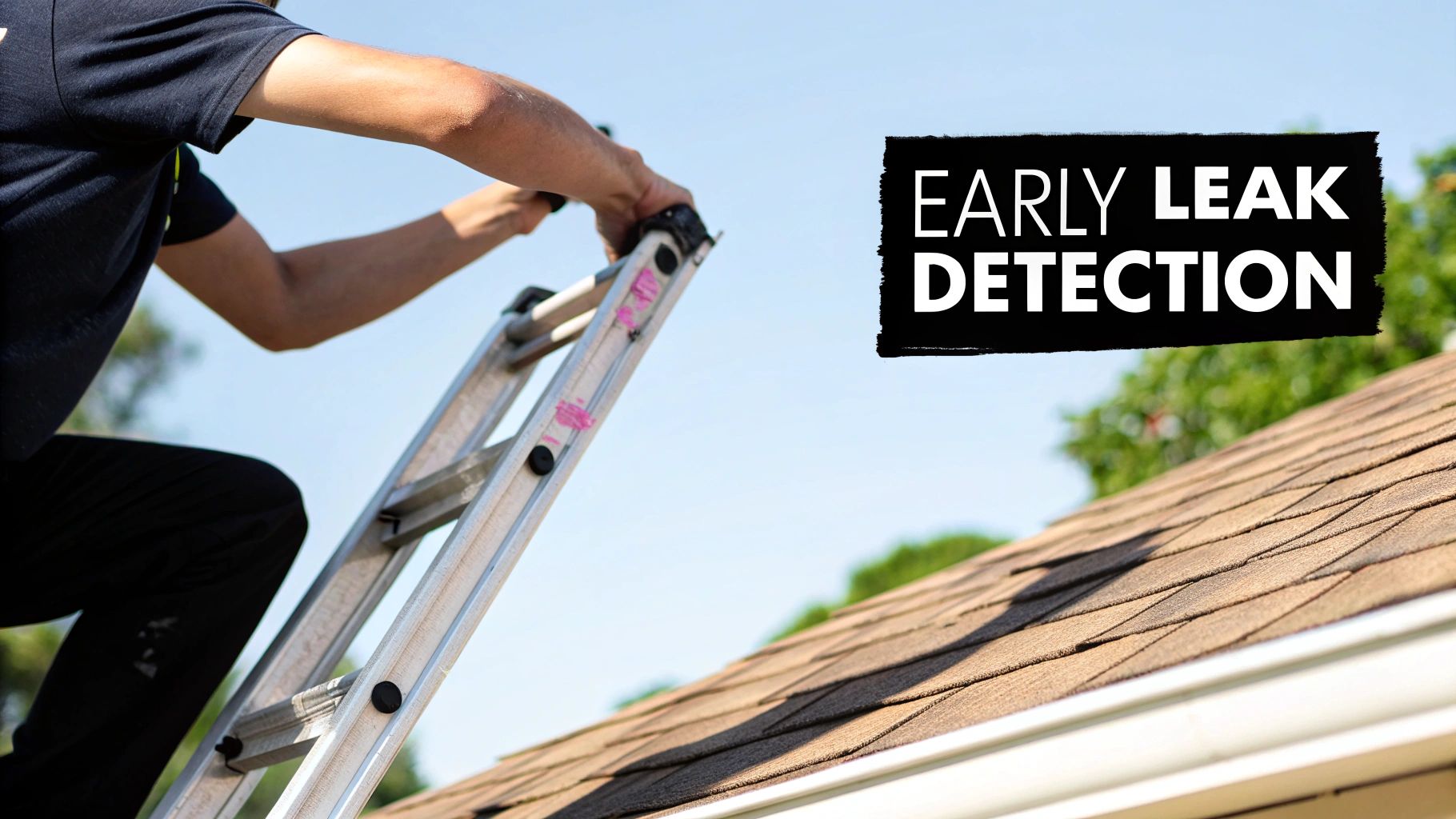
Detecting a single missing shingle or a small area of granular loss might seem trivial, but these are often the entry points for water. Once moisture penetrates the underlayment, it can lead to rotted decking, compromised structural integrity, and destructive interior water damage. Early intervention transforms a potential multi-thousand-dollar replacement project into a simple, affordable repair.
Proactive Steps for Early Detection
To maximize the effectiveness of your inspections, integrate these practices into your property maintenance routine:
- Schedule Biannual Checks: We recommend scheduling professional inspections in the spring and fall. This timing allows you to assess any damage from winter storms and prepare your roof for Florida's intense summer heat and hurricane season.
- Post-Storm Assessments: After a severe weather event with high winds, hail, or heavy rain, a targeted inspection is crucial to identify acute damage that requires immediate attention.
- Keep Detailed Records: Maintain a file with photos and detailed reports from every inspection. This historical data helps track the roof's condition over time and provides valuable documentation for insurance claims.
- Prioritize Major Projects: Furthermore, a proactive inspection regime is critical before and after undertaking significant projects like installing solar panels on your rooftop to catch any potential issues before they escalate.
This focused approach to roof leak detection in communities across Central Florida, from St. Petersburg to Orlando, ensures your property remains protected. By addressing minor vulnerabilities promptly, you prevent the widespread damage that can compromise your entire home or commercial building.
2. Extended Roof Lifespan
A primary financial benefit of regular roof inspections is maximizing the return on your initial investment by extending your roof's service life. Most roofing systems, like asphalt shingles, are designed to last for a specific period, often 15 to 20 years in the Florida climate. However, consistent, proactive maintenance can push that timeline significantly further, delaying the immense cost of a full replacement. A professional inspection identifies and rectifies the natural effects of wear and tear, such as sealant degradation and shingle aging, before they cause irreversible damage.
For homeowners in Orlando and across Central Florida, this means adding 5 to 10 more years of reliable protection from the harsh sun and hurricane seasons. For commercial properties in cities like Tampa or Lakeland, preventative maintenance can transform a 15-year roof into a 25-year asset. This extension is achieved by systematically addressing small issues, ensuring the roofing system as a whole remains strong and resilient against the elements.
Proactive Steps for Extending Roof Life
To maximize the longevity of your roofing system, integrate these maintenance practices into your property management strategy:
- Keep Detailed Maintenance Logs: Document every inspection, repair, and treatment. This history provides a clear timeline of your roof's health and helps technicians quickly identify recurring issues. It also serves as proof of maintenance for warranty claims.
- Address Small Issues Immediately: Don't wait for your scheduled biannual inspection to fix a known problem. A loose shingle or cracked flashing is an immediate vulnerability that should be repaired promptly to prevent water intrusion.
- Use High-Quality Repair Materials: When a repair is needed, insist on materials that match or exceed the quality of your existing roof. Using inferior products can create new weak points that fail prematurely.
- Adhere to Warranty Requirements: Many manufacturer warranties require proof of regular maintenance. Following a consistent inspection schedule, like using a detailed commercial roof inspection checklist, ensures you remain compliant and your investment stays protected.
By adopting this forward-thinking approach, you treat your roof as a long-term asset rather than a depreciating feature. This commitment not only saves money but also provides peace of mind that your property is secure.
3. Cost Savings on Repairs and Replacements
One of the most compelling benefits of regular roof inspections is the significant long-term financial savings. Proactive maintenance prevents minor, manageable issues from escalating into expensive, complex emergencies. Emergency repairs are often three to five times more costly than planned maintenance, and they frequently come with the added expense of interior damage restoration.
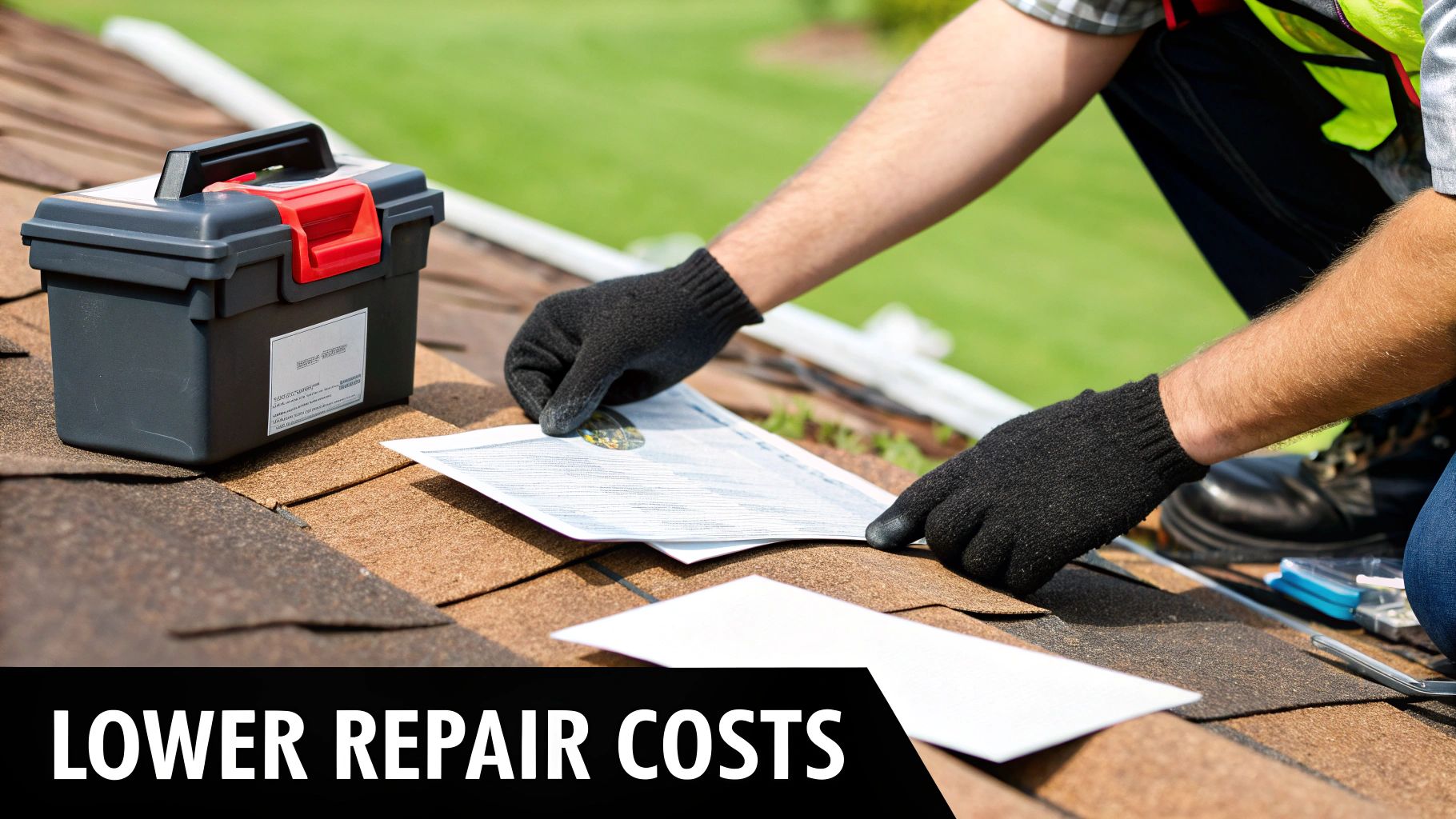
Catching a failing pipe boot or a small area of damaged flashing early allows for a targeted, affordable fix, often costing just a few hundred dollars. If left unaddressed, that same minor breach can lead to thousands in expenses for water damage remediation, mold removal, and ceiling repairs. For a commercial property in Orlando, a preventative maintenance program can mean the difference between routine upkeep and a surprise $50,000+ roof replacement that disrupts business operations.
Proactive Steps for Financial Savings
To leverage inspections for maximum cost efficiency, incorporate these financial strategies into your property management plan:
- Obtain Written Estimates: Always request detailed, written estimates before authorizing any repair work to ensure transparency and avoid hidden costs.
- Work with Qualified Local Contractors: Partner with licensed and insured roofing contractors in Central Florida, like Hi Low Roofing, to ensure you receive competitive and fair pricing for the required scope of work.
- Keep Detailed Records: Maintain a file with all receipts and reports for roof repairs. This documentation is crucial for supporting future insurance claims and tracking your home’s maintenance history.
- Budget for Maintenance: Use the findings from your inspection reports to create a realistic maintenance budget and set aside funds for anticipated repairs, preventing financial strain when issues arise.
This strategic approach to roof care transforms inspections from an expense into a powerful cost-saving tool. By investing a small amount in regular assessments, you protect your property from the substantial financial impact of a catastrophic roof failure.
4. Enhanced Home Safety and Structural Integrity
Beyond just preventing leaks, one of the most critical benefits of regular roof inspections is ensuring the safety of everyone and everything under your roof. A compromised roof is a significant hazard, posing risks from structural failure to the development of unhealthy indoor environments. A professional inspection verifies that your roof's framework is sound and capable of withstanding the unique environmental stresses of Central Florida, protecting both the building and its occupants.
Water intrusion from a deteriorating roof can weaken wooden trusses and decking, leading to rot that severely compromises the structure's load-bearing capacity. Additionally, persistent moisture creates an ideal breeding ground for mold and mildew, which can trigger allergies and serious respiratory issues. By identifying and addressing these structural and moisture-related threats early, you mitigate potential liabilities and create a safer living or working space, from Pinellas County to Orlando.
Proactive Steps for Enhanced Safety
To maintain your roof's structural integrity and ensure occupant safety, integrate these specific checks into your maintenance plan:
- Assess Local Weather Readiness: During an inspection, have the professional evaluate your roof's specific vulnerabilities to Central Florida's extreme weather, such as hurricane-force winds and intense downpours, ensuring all components are secure.
- Check for Proper Ventilation: Insist that the inspector assesses attic ventilation. Inadequate airflow traps heat and moisture, accelerating wood rot and mold growth, which directly undermines structural stability.
- Request Structural Assessments: For buildings over 20 years old, or if you have concerns about sagging or stress, request a more in-depth structural check of the roof deck and support system.
- Document All Findings: Keep detailed records of any structural concerns or ventilation issues identified during inspections. This documentation is invaluable for insurance purposes and for planning future capital improvements.
5. Warranty Compliance and Insurance Benefits
Your roof's warranty is a valuable asset, but it often comes with a crucial condition: proof of regular maintenance. Similarly, insurance providers are more favorable to well-maintained properties. Routine inspections create the official documentation needed to satisfy these requirements, solidifying your financial protection against premature roof failure or unexpected damage. Without this paper trail, you risk having a warranty claim denied or an insurance claim reduced.
Major roofing manufacturers often state that neglect can void their extensive warranties. An inspection report serves as undeniable proof that you have acted as a responsible property owner. This documentation becomes invaluable when filing a claim, transforming a potential dispute into a straightforward approval process. For Central Florida property owners, this documented care is a key part of the broader benefits of regular roof inspections, ensuring your investment is secure.
Proactive Steps for Compliance and Savings
To leverage your inspections for maximum financial benefit, integrate these practices into your property management strategy:
- Review Warranty Fine Print: Before scheduling an inspection, carefully read your roofing material and workmanship warranties to understand specific maintenance requirements.
- Request Detailed Reports: Ensure your roofing professional provides a comprehensive written report with photos after every inspection. This is your primary evidence for any future claims.
- Organize Your Records: Keep a dedicated digital and physical file for all inspection reports, invoices, and repair documentation, organized by date. This makes it easy to produce records when needed.
- Inquire About Insurance Discounts: Contact your insurance agent to ask if they offer premium discounts for homeowners with a documented roof maintenance program. Many providers reward such proactive measures.
By maintaining meticulous records, you not only preserve your warranty but also strengthen your position with your insurer. This approach ensures that the protections you paid for are available when you need them most, from Tampa to Orlando.
6. Improved Energy Efficiency and Reduced Utility Costs
A roof's role extends far beyond simply keeping out the rain; it is a critical component of your home’s thermal envelope. One of the key benefits of regular roof inspections is the ability to identify and correct issues that secretly inflate your energy bills. An inspector can pinpoint problems like poor attic ventilation, cracked seals, or deteriorating insulation that lead to significant heat gain in the summer and heat loss in the winter, forcing your HVAC system to work overtime.
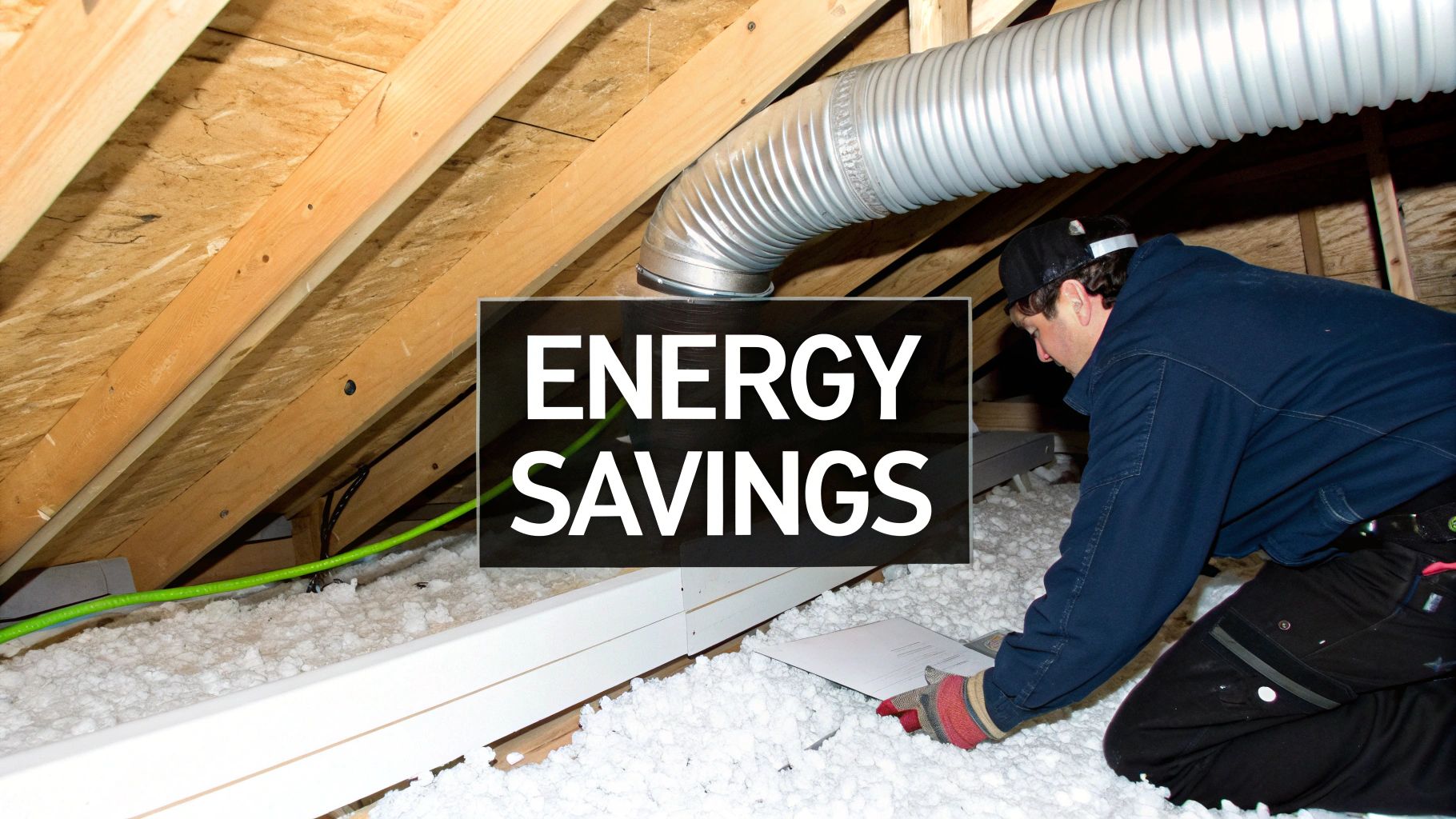
In Central Florida, where the sun beats down relentlessly, a dark, aging roof can absorb immense amounts of solar radiation, transferring that heat directly into your living space. An inspection identifies when it’s time to consider materials with higher solar reflectivity. Correcting these deficiencies can lead to substantial savings, with some homeowners reducing cooling costs by 10-30% through targeted ventilation and material upgrades, a significant relief during the long Orlando summers.
Proactive Steps for Energy Efficiency
To transform your roof into an energy-saving asset, incorporate these specific checks into your maintenance plan:
- Assess Attic Ventilation: Specifically ask your inspector to evaluate soffit and ridge vents for blockages or inadequate airflow. Proper ventilation is crucial for expelling trapped hot air.
- Request Cool Roof Recommendations: Inquire about modern, energy-efficient roofing materials that reflect solar radiation instead of absorbing it. Learn more about the advantages of energy-efficient roofing in Brandon and how it can lower your utility costs.
- Verify Insulation Levels: Ensure your attic insulation meets or exceeds the recommended R-value for your climate zone. An inspection can reveal compacted or missing insulation that compromises performance.
- Track Utility Bills: Monitor your energy consumption before and after making roof improvements to quantify your savings and measure the return on your investment.
7. Prevention of Mold Growth and Health Hazards
Beyond structural damage, one of the most insidious consequences of a compromised roof is the silent invasion of mold. Undetected leaks create damp, dark environments inside attics and wall cavities, which are ideal breeding grounds for mold and mildew. A professional inspector is trained to spot the subtle signs of moisture intrusion, such as water stains on decking or insulation, that signal a high-risk environment for mold colonization.
This issue goes far beyond aesthetics. Mold spores can severely degrade indoor air quality, triggering allergies, asthma attacks, and other respiratory problems. For Central Florida families, schools, and healthcare facilities, preventing this hazard is paramount. Addressing a minor leak through a routine inspection is far simpler and more affordable than undertaking extensive, costly mold remediation and risking the health of occupants.
Proactive Steps to Prevent Mold
Integrating health-focused checks into your roof maintenance is crucial for protecting your property and its inhabitants:
- Specify Moisture Checks: Ask your inspector to specifically look for signs of past or present water intrusion, including discoloration and dampness in the attic and on the roof deck. This is a key part of the benefits of regular roof inspections.
- Ensure Proper Attic Ventilation: A well-ventilated attic allows moisture to escape, preventing the condensation buildup that encourages mold growth, especially in Florida's humid climate.
- Address Leaks Immediately: If an inspection uncovers a leak, no matter how small, schedule the repair without delay. Procrastination gives moisture the time it needs to foster mold.
- Monitor Indoor Conditions: Between professional inspections, be alert for musty odors or visible signs of mold on interior ceilings and walls, as these often indicate a hidden roofing issue.
8. Better Property Resale Value and Market Appeal
One of the most compelling benefits of regular roof inspections is the direct impact on your property's value and ability to attract serious buyers. A roof is a major investment, and a prospective buyer's biggest fear is inheriting an expensive, unforeseen problem. By providing a clean bill of health from a professional roofer, you eliminate a significant point of negotiation and build immediate trust, making your property far more appealing on the competitive Central Florida market.
A well-documented maintenance history transforms your roof from a potential liability into a powerful selling feature. When a home inspector flags potential roofing issues, it often leads to last-minute price reductions or even canceled contracts. A recent inspection report allows you to preemptively address these concerns, ensuring a smoother, faster, and more profitable transaction. This proactive step demonstrates meticulous property care, which resonates strongly with buyers and can justify a higher asking price.
Proactive Steps for Boosting Resale Value
To leverage your roof's condition as a key selling point, integrate these practices into your sales preparation:
- Schedule a Pre-Listing Inspection: Engage a qualified roofing professional for a thorough inspection about six months before you plan to list your property. This gives you ample time to address any identified issues without the pressure of a pending sale.
- Compile a "Roofing Portfolio": Gather all inspection reports, repair invoices, and warranty documents into a single package for prospective buyers. This transparency builds confidence and showcases your commitment to maintenance.
- Highlight Roof Condition in Marketing: Instruct your real estate agent to emphasize the roof's excellent condition, recent inspection, and remaining lifespan in the property listing and marketing materials. A newer, well-maintained roof is a major draw.
- Prevent Interior Issues: A sound roof prevents water intrusion, which is a primary cause of mold growth and poor indoor air quality. For a truly healthy home environment, combine a leak-free roof with effective indoor air quality improvement tips for a healthier home to appeal to health-conscious buyers.
This strategic approach turns your roof into a tangible asset during the sales process, helping you avoid costly negotiations and attract buyers willing to pay a premium for a well-maintained home in Orlando and the surrounding areas.
9. Identification of Needed Upgrades and Modernization Opportunities
Beyond simple repairs, one of the key benefits of regular roof inspections is the ability to identify opportunities for strategic upgrades that enhance functionality, energy efficiency, and overall property value. A roof that was state-of-the-art a decade ago may now lack features that meet modern performance standards. An expert inspection provides a roadmap for modernization, ensuring your property keeps pace with current building codes and technological advancements.
An inspector can pinpoint areas where your roof is underperforming, such as inadequate ventilation causing high attic temperatures and straining your HVAC system. They can also assess if your current structure is suitable for valuable additions like a solar energy system or if an outdated drainage system is prepared for Central Florida's increasingly intense storm seasons. These proactive assessments allow you to plan for upgrades that deliver long-term returns.
Proactive Steps for Modernization
To leverage your roof inspection for strategic upgrades, integrate the following practices into your planning:
- Inquire About Code Compliance: Ask your inspector if any elements of your roof, like flashing or ventilation, fail to meet current International Building Code (IBC) or local Florida standards. This is crucial for safety and future property transactions.
- Assess Solar Readiness: As a roofing and solar provider, Hi Low Roofing can evaluate your roof's structural integrity, orientation, and remaining lifespan to determine its compatibility with solar panels. This pre-planning prevents costly surprises.
- Discuss Energy-Efficient Options: Ask for recommendations on modern materials, such as cool roof coatings. These upgrades can significantly lower cooling costs in the Orlando heat.
- Plan for Climate Resilience: Discuss upgrading gutters and drainage systems to better manage heavy rainfall. A proactive approach to water management can prevent foundational issues and landscape erosion during hurricane season.
By using inspections to identify modernization opportunities, you transform a routine maintenance task into a strategic investment. This forward-thinking approach ensures your property remains safe, efficient, and valuable for years to come.
9-Point Benefits Comparison: Regular Roof Inspections
| Title | Implementation Complexity 🔄 | Resources / Cost ⚡ | Expected Outcomes 📊⭐ | Ideal Use Cases 💡 | Key Advantages ⭐ |
|---|---|---|---|---|---|
| Early Detection of Roof Damage and Leaks | Low–Moderate: scheduled professional inspections, weather-dependent 🔄 | Inspection fee, ladder/access, occasional diagnostic tools ⚡ | Early leak identification, photo documentation, reduced major repairs 📊 | Biannual checks, post-storm assessments, older roofs 💡 | Prevents major water damage; extends roof life; saves on emergency repairs ⭐ |
| Extended Roof Lifespan | Low: ongoing maintenance and timely small repairs 🔄 | Recurring maintenance costs, quality materials for patching ⚡ | Adds 5–10+ years to service life; delays full replacement 📊⭐ | Long-term property ownership, commercial asset management 💡 | Defers replacement costs; improves ROI; lowers environmental waste ⭐ |
| Cost Savings on Repairs and Replacements | Low–Moderate: regular scheduling and budgeting for repairs 🔄 | Inspection + planned repair expenses (less than emergency costs) ⚡ | Reduced emergency repair bills; predictable maintenance budgeting 📊 | Budget-conscious homeowners, facility managers, portfolios 💡 | Significantly lowers total repair cost; supports warranty/insurance claims ⭐ |
| Enhanced Home Safety and Structural Integrity | Moderate: may require structural evaluation and engineer input 🔄 | Structural assessments, possible major remediation costs ⚡ | Reduced collapse risk; improved occupant safety and code compliance 📊⭐ | Older buildings, storm-prone regions, public facilities 💡 | Protects occupants; reduces liability; maintains structural integrity ⭐ |
| Warranty Compliance and Insurance Benefits | Moderate: requires documented, regular maintenance and recordkeeping 🔄 | Professional reports, maintenance logs, organized documentation ⚡ | Maintains warranty eligibility; may enable insurance discounts 📊 | New roofs under warranty; owners seeking insurance benefits 💡 | Preserves warranty rights; supports claims; potential premium reduction ⭐ |
| Improved Energy Efficiency and Reduced Utility Costs | Moderate: inspections plus targeted insulation/ventilation upgrades 🔄 | Inspection + insulation/ventilation or reflective materials costs ⚡ | Lower HVAC energy use; improved comfort; reduced bills over time 📊⭐ | Hot/cold climates, high energy cost areas, commercial buildings 💡 | Energy savings; lower carbon footprint; potential incentives ⭐ |
| Prevention of Mold Growth and Health Hazards | Low–Moderate: moisture detection and ventilation correction 🔄 | Moisture detectors, targeted repairs, possible remediation costs ⚡ | Reduced mold risk; improved indoor air quality; health protection 📊 | Homes with vulnerable occupants, schools, healthcare facilities 💡 | Protects occupant health; avoids costly mold remediation ⭐ |
| Better Property Resale Value and Market Appeal | Low: obtain inspection and present documentation to buyers 🔄 | Inspection + any pre-sale repairs/document organization costs ⚡ | Faster sales; higher offers; fewer buyer contingencies 📊⭐ | Properties being listed for sale; commercial asset disposition 💡 | Enhances buyer confidence; increases sale price and speed ⭐ |
| Identification of Needed Upgrades and Modernization Opportunities | Moderate–High: technical assessment for code, solar, and resilience upgrades 🔄 | Expert evaluation, upgrade capital expenditures, possible incentives ⚡ | Clear upgrade roadmap; improved code compliance and future readiness 📊⭐ | Owners planning renovations, sustainability retrofits, solar installs 💡 | Enables modernization, solar readiness, code compliance; long-term value ⭐ |
Take the Next Step to Protect Your Central Florida Property
We’ve explored the extensive advantages that come with proactive roof maintenance, moving far beyond simple leak prevention. From preserving your manufacturer's warranty and satisfying insurance requirements to enhancing your property's energy efficiency and boosting its market value, the evidence is compelling. The benefits of regular roof inspections are not just a list of potential perks; they represent a fundamental strategy for responsible and intelligent property ownership in the unique climate of Central Florida.
Ignoring the subtle signs of wear and tear is a gamble that few homeowners or facility managers can afford to take. A small, overlooked issue today, such as a few cracked tiles or compromised flashing, can rapidly escalate into a major structural crisis tomorrow, especially under the stress of a hurricane season or a sudden torrential downpour. By embracing a routine inspection schedule, you shift from a reactive, emergency-driven approach to a proactive, cost-effective one. You are essentially transforming your roof from a potential liability into a well-managed, reliable asset.
From Knowledge to Action: Your Path Forward
Understanding these benefits is the first step, but putting that knowledge into practice is what truly protects your investment. A professional inspection provides you with a clear, actionable roadmap for your roof's health, detailing immediate needs, monitoring areas, and future considerations. This empowers you to budget effectively and make informed decisions, whether that involves a minor repair, a full replacement, or even exploring an upgrade to a more resilient, energy-efficient solar roofing system.
Think of it as a comprehensive health check-up for the most critical protective barrier of your home or commercial building. For residents and business owners from Orlando to Pinellas County, this proactive stance is crucial. It’s about more than just avoiding costly repairs; it’s about securing peace of mind, ensuring the safety of occupants, and maximizing the long-term value of your property. Waiting for a visible leak or significant storm damage is an invitation for disaster. The most effective time to address a roofing problem is before it becomes an emergency.
This is your opportunity to take control. By scheduling a professional evaluation, you are not just checking a box on a maintenance list. You are making a decisive move to safeguard your property’s structural integrity and financial worth against the unpredictable Florida weather.
Ready to experience the full benefits of regular roof inspections and protect your Central Florida property? The expert team at Hi Low Roofing & Solar provides comprehensive, no-obligation inspections for both residential and commercial properties, giving you the clarity and confidence you need. Schedule your free inspection with Hi Low Roofing & Solar today and ensure your roof is prepared for whatever comes its way.
