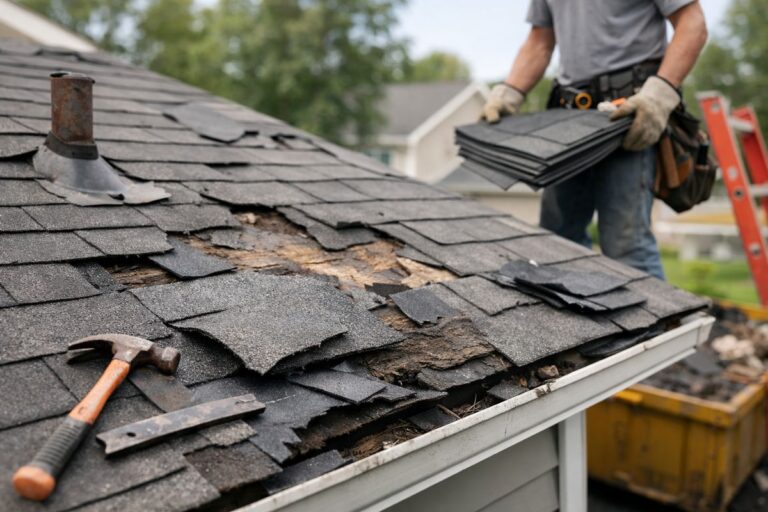
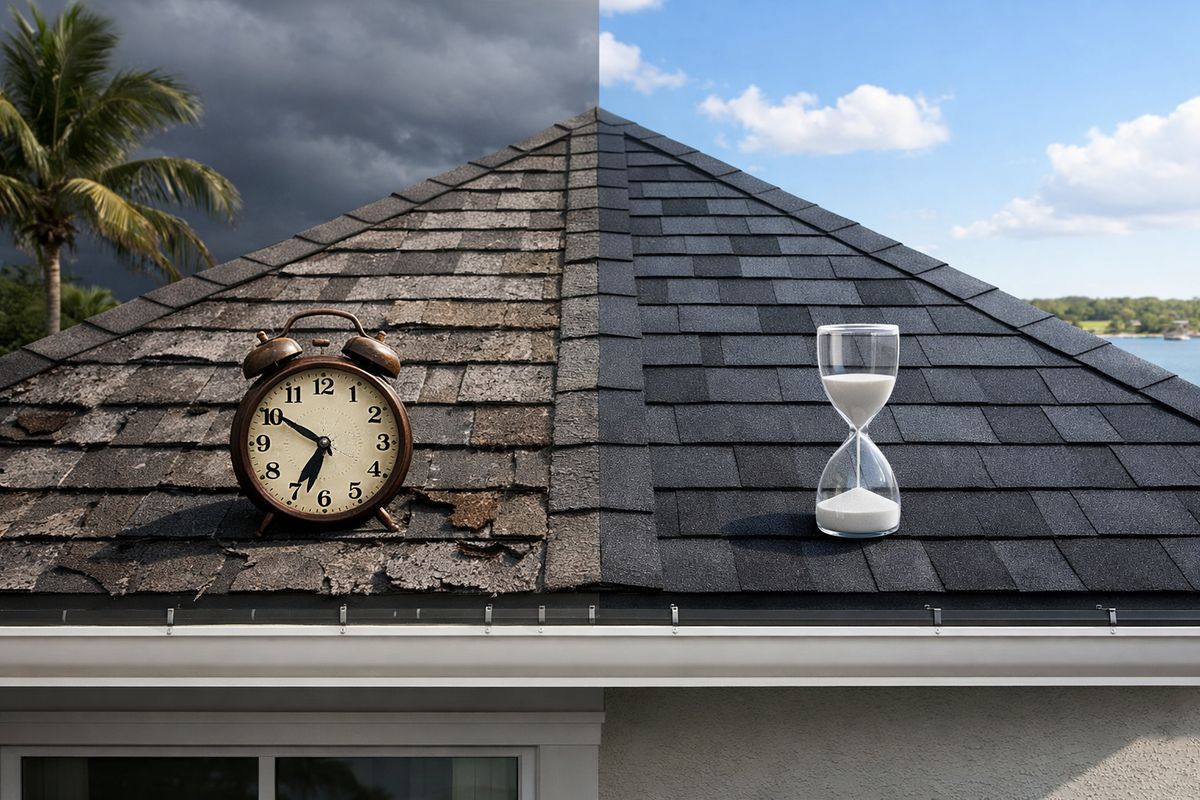
If you're staring at an older roof and wondering how long does a roof last, the honest answer is simple: in Central Florida, most roofs age faster than the label on the package suggests. Heat, UV, heavy rain, and storm season can take a roof that sounds long-lasting on paper and make it feel old a lot sooner, especially around Orlando, Winter Garden, Ocoee, and Apopka.
How long does a roof last in florida?
A roof in Florida usually lasts anywhere from about 10 to 50 years, depending on the material, how well it was installed, how much storm exposure your home gets, and how well small issues were handled along the way. That is a wide range, but it is the realistic one.
A roof is a little like tires on a car. The manufacturer can give a rating, but your actual lifespan depends on the road, the heat, and how hard it gets pushed. In Central Florida, the road is rougher than the brochure makes it sound.
The short answer by roof type
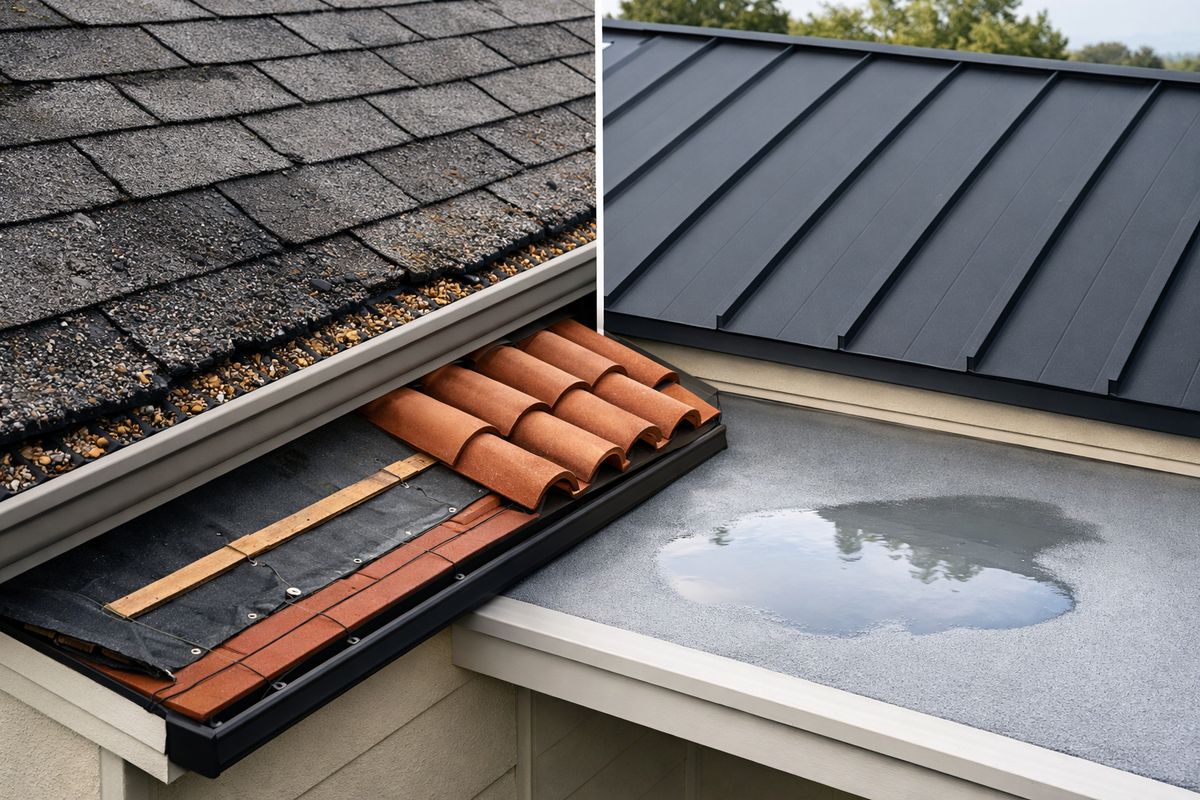
Asphalt 3-tab shingles often last about 10 to 15 years in Florida. Architectural shingles usually do better, often around 15 to 25 years. Metal roofs can last 30 to 50 years, sometimes longer, though the details matter. Tile roofs can last 25 to 50 years or more, but the underlayment under the tile often wears out sooner than the tile itself. Flat or low-slope roofing on porches, additions, or lanais often falls in the 10 to 20 year range depending on the material and drainage.
That is the practical version. Not the sales version.
Why “30-year roof” doesn’t always mean 30 years
A “30-year roof” usually refers to a product rating under ideal conditions, not a promise that your roof will give you 30 trouble-free years in Orlando heat and summer storm cycles. It is more of a category than a guarantee.
Here’s the thing: roofing materials are tested, rated, and marketed in ways that do not fully match real life. Constant sun, sudden downpours, lifted shingles after one rough storm, and trapped attic heat all chip away at that expected life. So if your roof is labeled for 30 years but starts showing real wear at 17 or 20, that is not unusual in Florida.
What changes roof life in winter garden, ocoee, apopka, and orlando
Local conditions matter more than most homeowners realize. Two homes with the same roof type, installed the same year, can age very differently just because one bakes in direct afternoon sun and the other gets more shade and better airflow.
Florida heat, UV, and heavy rain
Florida sun is hard on roofing. Day after day, UV rays break materials down, dry out shingles, and make surfaces more brittle over time. Then the afternoon rain shows up and puts those tired materials to the test.
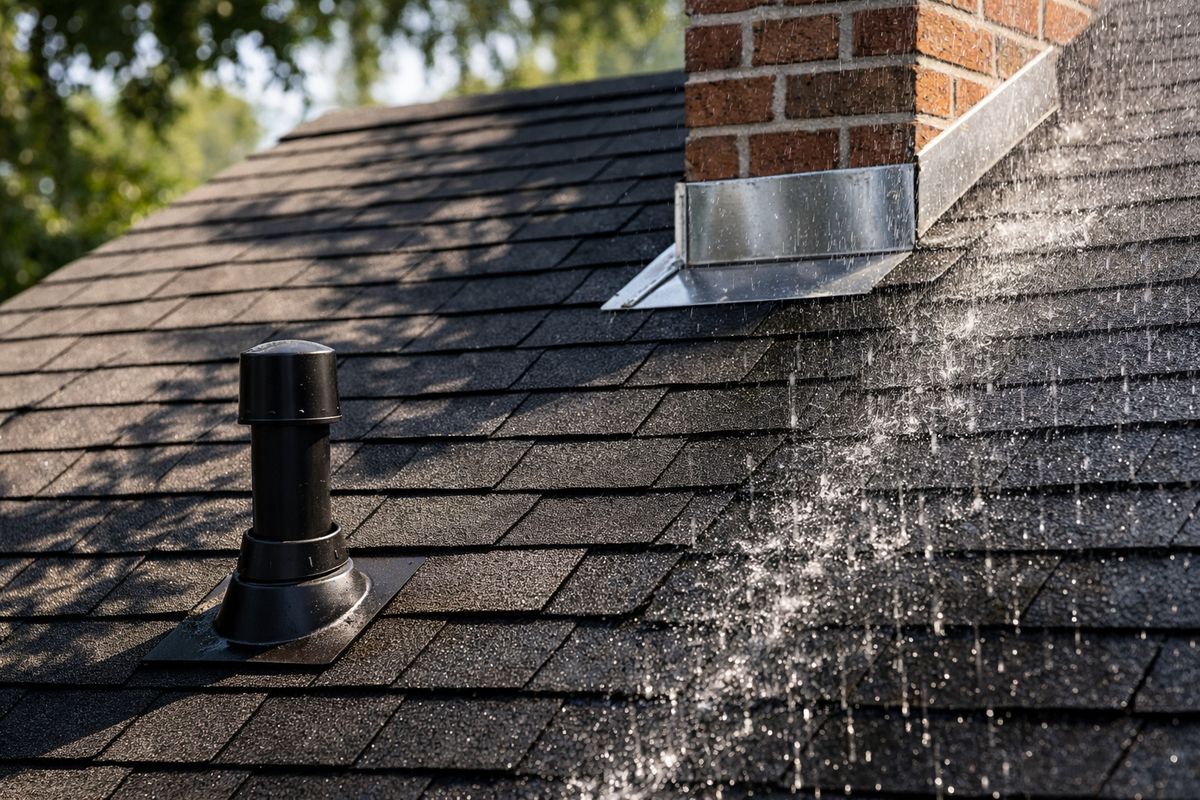
Repeated soaking is where weak spots start to show. A roof that looks mostly fine from the curb can still have aging sealant, worn pipe boots, or vulnerable flashing that gives way during another 4 p.m. downpour in Ocoee.
Wind, storm damage, and hurricane season
Wind damage is not always dramatic. Sometimes it is one lifted shingle edge, one loosened flashing joint, one spot where water can start sneaking in. That small change can take years off your roof.
After a rough storm, it helps to know the damage clues homeowners often spot from the ground, because not every problem looks like a tree through the roof. In Florida, hidden storm damage is common, especially after hurricane season.
Ventilation, attic heat, and moisture
Ventilation sounds technical, but it just means your attic can breathe. Hot air needs a way out, and fresh air needs a way in.
If that airflow is poor, attic heat builds up and essentially cooks the roof from below. That extra heat can age shingles faster, stress underlayment, and make your home harder to cool. Moisture can also get trapped, which leads to wood rot, moldy smells, and faster wear in places you cannot easily see.
Installation quality and past repairs
A well-installed roof lasts longer. That is not marketing fluff, it is just true.
Bad nailing patterns, rushed flashing work around chimneys or vents, and patch jobs layered over older problems all create weak points. Sometimes a roof is not “old,” it is just carrying the consequences of shortcuts from years earlier. And once repairs start stacking on top of repairs, those sections rarely age evenly.
How long different roofing materials really last
Material makes a big difference, but only when you look past the headline number and think about Florida conditions.
Asphalt shingle roofs
Asphalt shingles are common because they cost less up front, but in Florida they usually do not last as long as homeowners hope. A 3-tab shingle roof often reaches the end of its useful life around 10 to 15 years. Architectural shingles usually hold up longer, often 15 to 25 years.
As they age, you may notice granules collecting in gutters, curling corners, cracked tabs, dark streaks, or areas that look bald. If you're weighing replacement options, it helps to compare how shingles stack up against other Florida choices before making a decision.
Metal roofs
Metal roofs often last longer than shingles, especially standing seam systems. Exposed-fastener metal can still perform well, but screws, washers, and sealants become part of the lifespan question.
The catch is that “metal roof” is a broad term. One system may hold up beautifully for decades, while another starts needing attention at fasteners much sooner. If this option is on your mind, it helps to look at what homeowners typically pay for metal in Florida alongside lifespan.
Tile roofs
Tile roofs can last a long time, and the tiles themselves often outlast the waterproof layer underneath. That is the part many homeowners miss.
Your tile may still look solid from the street while the underlayment below is nearing failure. So a tile roof can look younger than it really is. In Florida, that distinction matters a lot, especially once the roof gets older and small leaks begin showing up around valleys or penetrations.
Flat or low-slope roofing
Flat and low-slope sections are common on additions, porch roofs, lanais, and some garage transitions. These areas often use modified bitumen, rolled roofing, or membrane systems.
Because they drain more slowly, ponding water becomes a bigger issue. Even a small area that holds water after rain can wear down materials faster and create leaks earlier than expected. On low-slope roofs, drainage is not a detail. It is the whole game.
Signs your roof may be near the end of its life
Age matters, but condition tells the real story. If something has felt off lately, this is where to look.
What you can notice from the ground
Start in the driveway and walk the full perimeter of your home. Look for curling shingles, missing tabs, dark or bald patches, sagging areas, stains near soffits, debris collecting in gutters, or metal flashing that looks bent or pulled loose.
Stay off the roof. Ground-level clues are often enough to tell you whether something needs closer attention. If you are seeing multiple trouble spots, that is usually not a one-shingle problem.
Clues inside your home
Some roof problems announce themselves indoors first. Ceiling stains, peeling paint near rooflines, musty attic smells, warmer rooms near the top of the house, or tiny drip marks after a hard Orlando storm can all point back to the roof.
If water has already made it inside, review what to do right after a leak starts. Quick action limits damage, and waiting almost always makes the repair more expensive.
When an older roof becomes an insurance or resale issue
Roof age can affect more than repairs. It can change insurance options, premiums, inspection results, and buyer confidence if you plan to sell.
An older roof does not automatically mean trouble, but once visible wear shows up, it is smart to understand how Florida roof claims and policy limits often work. That way, surprises do not show up at the worst possible moment.
Repair or replace: how to tell which makes sense
This is usually the real question behind roof lifespan. Not every aging roof needs replacement today. But not every repair is money well spent either.
When a repair still makes sense
Repairs make sense when the issue is isolated and the rest of the roof still has solid life left. A few missing shingles after a storm, one flashing problem, or a leak tied to one clear trouble spot can often be fixed without replacing the whole system.
That is especially true if the roof is still well within a normal lifespan and the surrounding materials are in good shape.
When replacement is usually the smarter move
Replacement is usually the better call when wear is widespread, leaks keep returning, storm damage affects multiple slopes, or the roof is already near the end of its realistic Florida lifespan. The same goes for failed underlayment or patchwork repairs across several sections.
At some point, repeated repairs become the roofing version of re-gluing a worn-out shoe. It may hold for a bit, but you already know where it is headed.
Why an estimate can tell you more than age alone
Age gives you context. Condition gives you answers.
Two roofs installed the same year in Apopka can age very differently based on shade, attic ventilation, storm exposure, and repair history. That is why a professional assessment matters. If you are stuck between patching and replacing, this guide on figuring out which path makes more sense can help frame the decision.
How to help your roof last longer in florida
You cannot stop the sun or skip hurricane season, but you can give your roof a better chance to last.
Get regular inspections, especially after storms
Storm checks matter because small damage is easy to miss and cheaper to fix early. A lifted shingle or loosened flashing may not leak right away, but summer rain usually finds the weak spot eventually.
That is why post-storm inspections are worth it, especially after hail, strong wind, or tropical weather.
Keep gutters, valleys, and roof penetrations clear
Valleys are the channels where two roof slopes meet. Penetrations are things that stick through the roof, like vents, pipes, or exhaust outlets.
These areas handle a lot of water. If leaves, grit, or debris build up there, water moves slower and sits longer. On a Florida roof, that extra moisture can speed up wear fast.
Fix small problems before they spread
A few replaced shingles, a resealed flashing joint, or a minor leak repair can save you from bigger interior damage later. Waiting almost always costs more. That is the blunt truth.
Even a modest issue can turn into decking damage, insulation problems, stain repair, or mold if water keeps getting in.
Common questions about roof lifespan in florida
How long does a shingle roof last in florida?
Most shingle roofs in Florida last about 10 to 20 years in real-world conditions. Architectural shingles often outlast 3-tab shingles, but the product label and the actual service life are not the same thing.
Can a roof last 30 years in central florida?
Yes, some can. Many do not. For that to happen, the roof usually needs a durable material, solid installation, good ventilation, limited storm damage, and consistent maintenance over time.
How do you find out how old your roof is?
Check permit records, closing documents, inspection reports, prior insurance paperwork, or past invoices from roof work. If those are missing, a roofing inspection can often give you a pretty accurate age range based on material condition.
How much life does your roof have left?
Age is a clue, but condition matters more. Visible wear, repeated leaks, soft spots, or storm damage can shorten the timeline fast, even if the roof is not extremely old.
What to do next if your roof is aging
Try one simple thing: walk the perimeter of your home after one of those heavy late-afternoon summer downpours in Winter Garden or Ocoee and look for anything new. Check for curling shingles, gutter debris, stains near the soffits, or water marks inside afterward.
If your roof is older or showing signs of trouble, do not wait for the next storm to make the decision for you. Ready to protect your home? Get in touch with the Hi Low Roofing team for your free estimate. https://hilowroofing.com/free-estimate/
Frequently asked questions
Does roof color affect how long a roof lasts in florida?
Color can affect heat absorption, but material quality, ventilation, and installation usually matter more. A darker roof may run hotter, though the difference in lifespan is often smaller than people expect.
Can one storm really shorten your roof’s life that much?
Yes. One strong wind event can lift shingles, loosen flashing, or create openings that lead to leaks later. Damage does not have to look dramatic to matter.
Is it normal for a tile roof to need work even if the tiles look good?
Yes. The underlayment beneath the tile often ages out before the tile itself. That is why a tile roof can look fine from the street and still be close to needing major work.
Should you replace a roof before it starts leaking?
Often, yes. Waiting for an active leak can mean interior damage, insulation problems, and more expensive repairs. If the roof is near the end of its life and showing wear, replacing early can save money and stress.
How often should your roof be inspected in central florida?
A good rule is at least once every year and after major storms. Older roofs, especially those with prior repairs, benefit from closer attention.