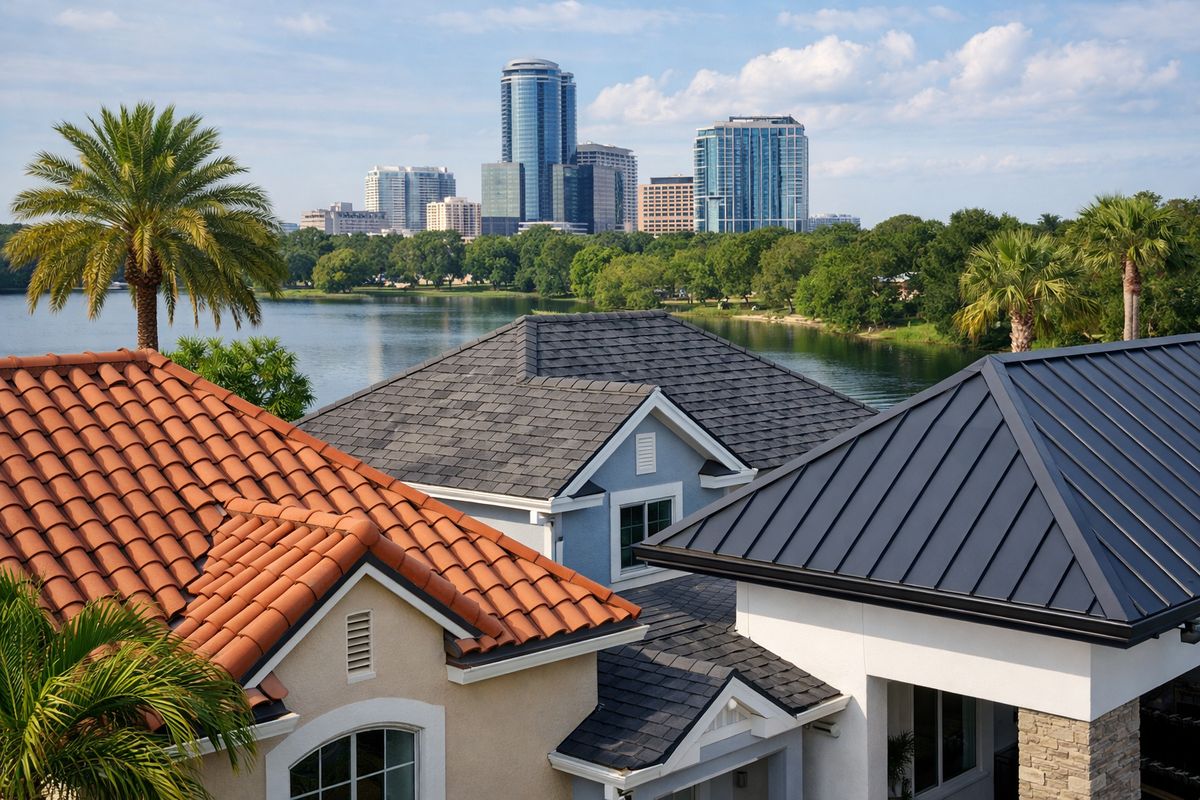
A roof in Orlando can look fine right up until a hard afternoon storm turns a small weakness into a ceiling stain. If you’re trying to figure out the best roof for Orlando, the answer is simpler than most sales pitches make it sound: pick the material that holds up to heat, rain, wind, and time, while still fitting your house and your budget.
What actually holds up on an orlando roof
The roofs that hold up best around Orlando are not always the prettiest and not always the most expensive. The winners are the systems that can take relentless sun, shed water fast, resist wind uplift, and stay repairable when Florida weather gets rough.
That matters in places like Winter Garden, Ocoee, Apopka, and Orlando, where your roof deals with long hot stretches, pop-up downpours, and storm season every year. A good-looking roof that fails early is not a good roof. The best choice is the one that balances performance, lifespan, maintenance, and replacement cost in a way that makes sense for your home.
What “best roof for orlando” really means
“Best” does not mean one material is perfect for every house. It means finding the option that handles your real conditions well: strong sun, heavy rain, humidity, algae, occasional hail, wind, insurance pressure, and the cost of owning that roof over time.
If your home is older, or your current roof already shows wear, this choice gets even more practical. You are not shopping for a showroom feature. You are buying protection.
Orlando weather puts different stress on your roof
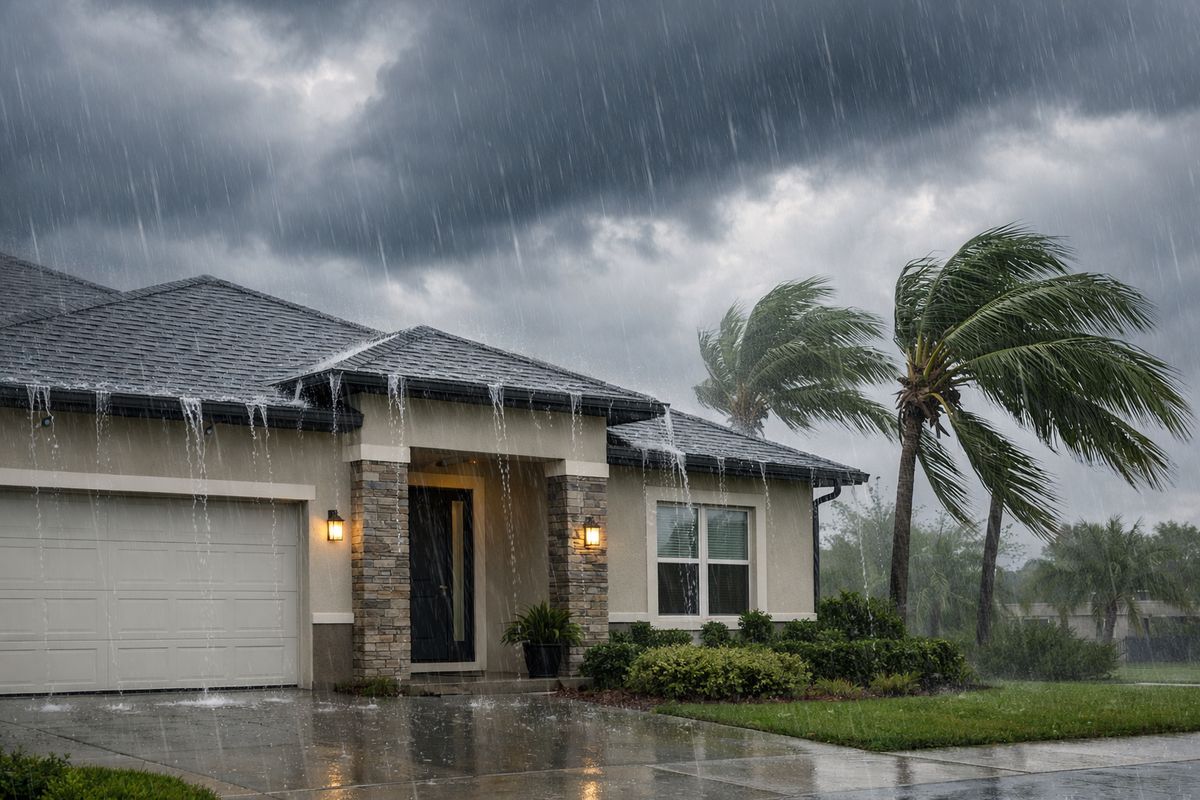
Central Florida weather is rough on roofing in a very specific way. The sun bakes shingles and underlayment for months, attic heat builds up fast, and then a sudden storm dumps water on everything at once. Add hurricane-season wind, and weak fastening or aging materials get exposed in a hurry.
Humidity also changes the game. It helps algae streaks show up, slows drying after storms, and speeds up wear in vulnerable areas like flashing, valleys, and penetrations. That is why a roof that performs well in a milder climate may not be the best fit here.
Older homes need more than a simple material swap
If your house is older, the roof material is only part of the decision. The roof deck, which is the wood base under the roofing, may have soft spots or moisture damage. Ventilation may be poor. Underlayment may be outdated. Framing may also limit what you can install safely.
This is where estimates can change fast. A heavier material like tile may require a structural review before installation. If your home was built for shingles, jumping straight to tile is not always as simple as swapping one top layer for another.
Asphalt shingles: the most practical choice for many homes
Asphalt shingles, especially architectural shingles, are still the most practical choice for many Orlando-area homes. There is a reason you see them everywhere. They offer a solid mix of price, appearance, repairability, and straightforward replacement without pushing the budget into metal or tile territory.
For many single-family homes, shingles are the baseline option for a good reason. They do the job well when installed properly.
When shingles are a smart fit
Shingles make sense when you want balanced value. If your goal is to replace an aging roof without taking on the cost of metal or tile, architectural shingles usually hit the sweet spot.
You also get flexibility in color and style, and repairs are generally simpler than with tile or specialty systems. If your roof has standard slopes and no unusual structural issues, shingles are often the cleanest path from estimate to installation.
The catch with shingles in orlando heat and storms
Here’s the thing: shingles are practical, but they do not last as long as metal or tile. Florida sun can dry them out over time, storms can loosen or lift them, and lower-quality installation shows up quickly when wind and rain hit hard.
You may also notice granule loss, dark algae streaking, and faster aging on roof sections that face harsh afternoon sun. If the nailing pattern, underlayment, or flashing work is weak, a shingle roof becomes much more vulnerable during storm season. If your current roof is already showing curling, bald spots, or repeated leak areas, it helps to look at signs that replacement makes more sense than another repair.
Impact-resistant shingles and insurance appeal
Impact-resistant shingles are designed to better handle hits from hail or wind-driven debris. That does not mean they are damage-proof, but it does mean they can hold up better than standard shingles under the right conditions.
The insurance angle gets attention for a reason. Some policies may look more favorably on impact-rated products, especially when documentation is clear. But discounts vary, and paperwork matters. Before counting on savings, it helps to understand how Florida roof coverage and policy details usually work.
Metal roofing: the strongest all-around performer if your budget allows
If long-term durability matters most, metal is one of the best roofing choices for Orlando homes. That is the direct answer. It handles wind well, sheds water fast, lasts a long time, and usually asks for less maintenance than shingles.
The catch is the upfront price. But if you plan to stay in your home for years, metal often makes more sense than it first appears.
Standing seam vs. exposed fastener metal
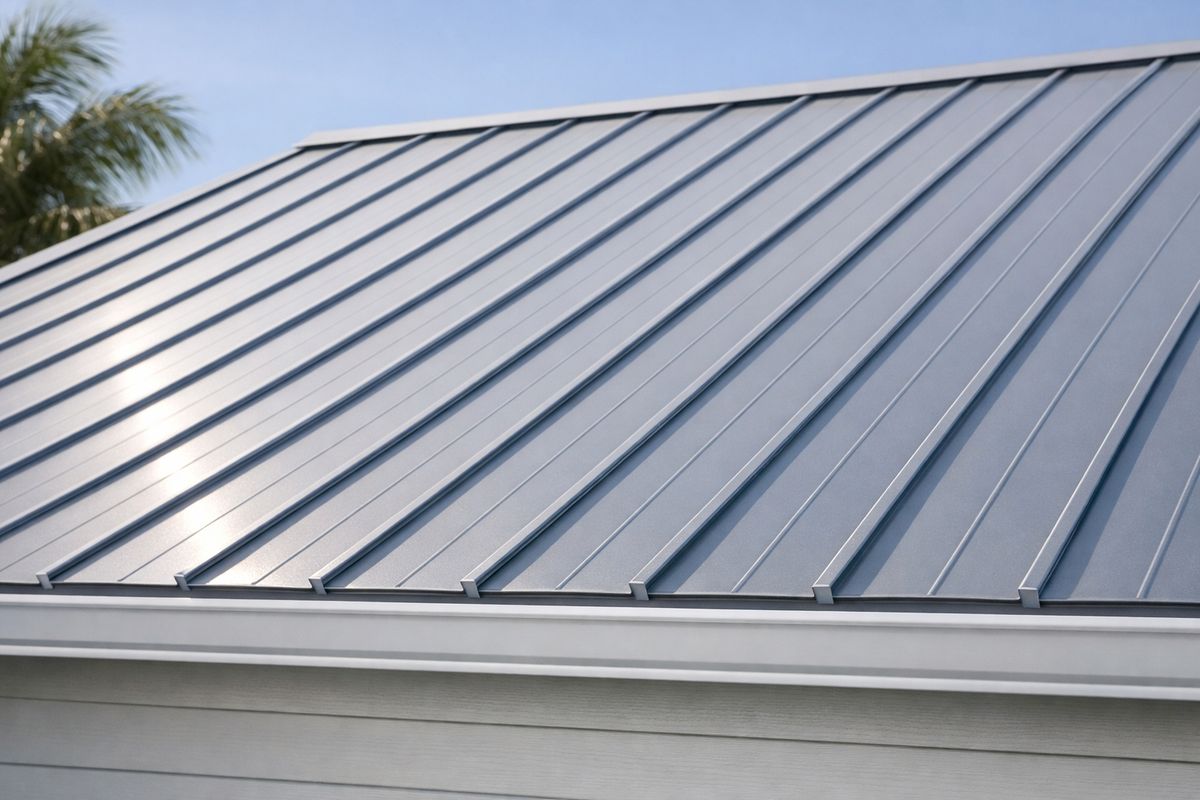
Not all metal roofs are the same. Standing seam uses concealed fasteners, meaning the screws are hidden under raised seams. Exposed fastener systems leave the screws visible on the panel surface.
Standing seam usually performs better over time, especially in heavy rain and high wind, because fewer exposed points mean fewer places for water intrusion or fastener wear to start. Exposed fastener metal costs less at the beginning, but it usually needs more monitoring and maintenance later. If you are comparing long-term tradeoffs, it helps to look at how Florida homeowners size up the value of metal roofing.
Why metal does so well in central florida
Metal does well here because it is built for the kind of stress Florida dishes out. It sheds water quickly, resists many forms of weather-related wear, and can last for decades with less deterioration than shingles.
A light-colored metal roof can also reflect more heat than darker, more absorbent materials. On homes that catch strong western sun, especially in exposed spots near Apopka, that can make a real difference in attic heat gain. You are not turning your house into a refrigerator, but you are reducing one of the biggest daily loads hitting the roof.
The drawbacks to know before you commit
The biggest drawback is cost. Metal typically lands in the middle-to-upper range, and standing seam costs more than basic systems. Installation also matters a lot. Poor detailing around penetrations, edges, or transitions can cancel out the advantages of the material itself.
Noise gets overstated. On a properly installed residential system with sheathing and attic space below, rain noise is usually not the dramatic issue people imagine. Denting can happen, though it depends on panel type and impact. Style can also be a sticking point if you want a very traditional look.
Tile roofs: long-lasting, beautiful, and common across central florida
Tile roofs are part of the visual language of Central Florida neighborhoods. You see them all over Orlando-area communities because they look right, handle heat well, and can last a very long time.
But tile is not automatically the best roof for Orlando just because it is common. It has real advantages, and some very real complications.
Concrete tile vs. clay tile
Concrete tile is usually the more budget-friendly of the two, while clay tile tends to cost more and is often chosen for its classic appearance. Both are heavy, both can perform well in Florida, and both can last a long time when the system underneath is done right.
Clay often gets treated like the premium answer by default. Sometimes it is. But not every home gets better value from paying more for clay. In many cases, concrete tile gives you the look and durability you want without as big a jump in price.
What tile handles well and where it gets tricky
Tile handles heat very well and brings strong curb appeal. In some neighborhoods, especially where tile roofs are already common, matching that look can help protect resale appeal.
But tile has its own headaches. Individual tiles can crack from impact or foot traffic. Repairs usually need someone who knows tile systems well. Also, the tile itself often outlasts the underlayment beneath it, which means the roof can need major work before the visible surface looks worn out. If you are comparing appearances and tradeoffs closely, this look at Orlando roof material differences can help frame the decision.
Weight and structure matter more than you think
Tile is heavy. That is not a minor footnote, it is a major buying factor. If your home was not built with tile loads in mind, structural confirmation may be necessary before installation.
This can change a quote fast. What looked like a material choice suddenly becomes a framing, decking, and engineering conversation. For an older home, that can push tile out of the practical category even if you love the look.
Flat and low-slope roof sections need a different system
A lot of homes have more than one roof shape. The main house may be pitched, while a porch, garage, lanai addition, or back room has a low-slope section. That section should not be treated like the rest of the roof.
This is where recurring leaks often start. A patch on the main roof material will not fix a low-slope system problem for long.
TPO, PVC, and modified bitumen in plain english
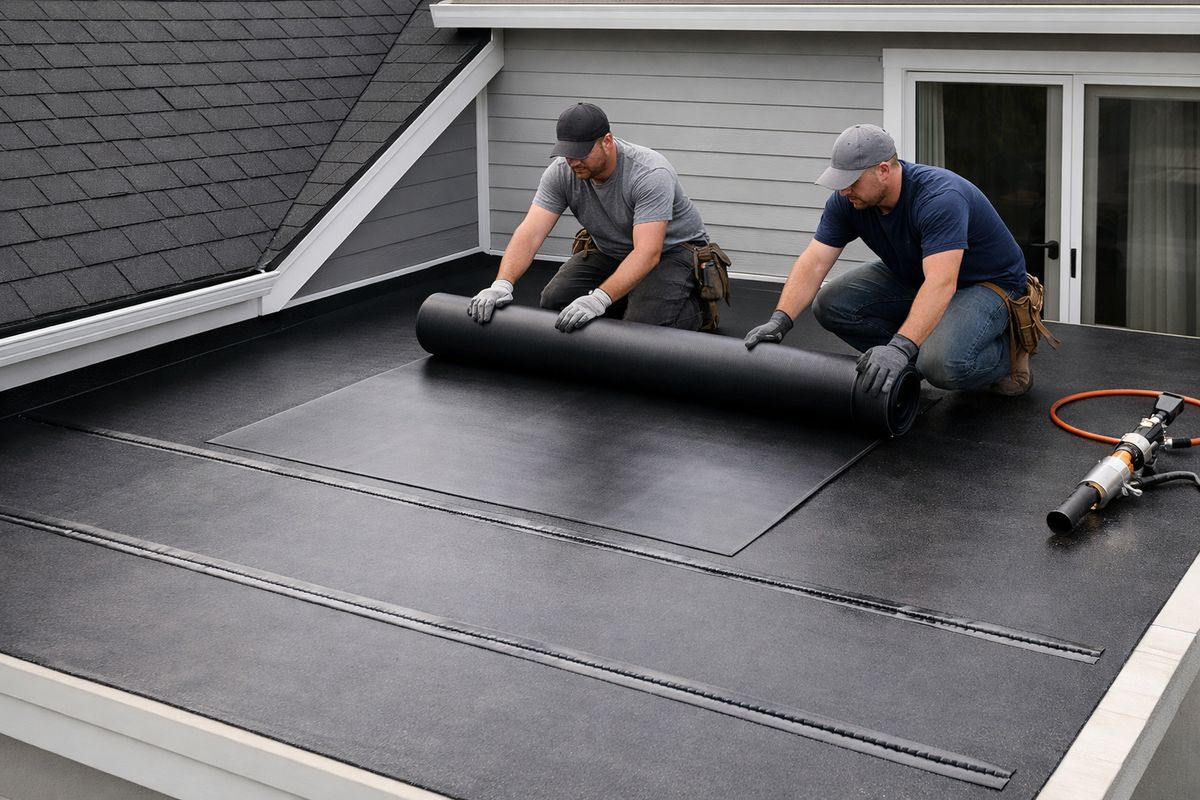
TPO and PVC are single-ply roofing membranes. In plain English, they are rolled roofing systems designed for low-slope areas, with seams that are typically heat-welded or specially joined. Modified bitumen is an asphalt-based low-slope system built in layers.
TPO is popular for sun exposure and clean water shedding. PVC is often valued for durable seams and strong performance, though it can cost more. Modified bitumen can work well too, especially where a more traditional layered system makes sense. The best fit depends on drainage, slope, and how that roof section ties into the rest of the house.
Why low-slope leaks keep returning
Low-slope leaks come back because water behaves differently there. It moves slower, ponds more easily, and finds weak seams, flashing failures, and patchwork transitions.
That is why “fix that spot again” often stops working. If a porch roof or addition keeps leaking, the issue may be the system design, not one visible crack. If water has already made it inside, start with the first steps after a roof leak before the damage spreads.
Side-by-side: which roofing material is best for your priorities?
The best roofing material depends on what you care about most. If you only chase the cheapest price, shingles usually win. If you want the longest run with fewer replacements, metal gets very hard to beat. If neighborhood look matters, tile may deserve more weight than a spreadsheet alone would give it.
That is the trick. A roof is part weather shield, part long-term cost decision, and part visual fit for the house.
Best for tight budgets
Architectural asphalt shingles are usually the most practical fit for tighter budgets. They keep upfront costs lower while still offering good protection when the installation is done well.
If your area has seen hail or frequent storm activity, stepping up to an impact-resistant shingle can be worth the added cost. Not always, but often enough to ask for it in a quote.
Best for long-term value
Standing seam metal is usually the strongest long-term value play. You pay more up front, but you often get longer service life, lower maintenance, and fewer replacement cycles.
That matters if you plan to stay put. A cheaper roof replaced sooner can become the more expensive decision over time.
Best for curb appeal in tile-heavy neighborhoods
Concrete or clay tile often wins on appearance in communities where tile already sets the visual standard. In those neighborhoods, matching surrounding homes can matter more than people expect.
A roof that looks out of place can hurt the feel of the house, even if the material performs well. Curb appeal is not fluff when it affects resale.
Best for older roofs with visible wear and estimate shopping
If your roof already has curling shingles, repeated leak repairs, dark streaks, soft decking, or storm damage, this is usually not the moment to overcomplicate the decision. The best replacement estimate often comes down to three practical paths: a quality architectural shingle roof for budget control, standing seam metal for long-term performance, or tile only if the structure and neighborhood both support it.
If storm wear is part of the story, check for damage patterns that show up after rough weather. A roof in visible decline rarely gets cheaper to deal with by waiting.
What a new roof costs in orlando and when paying more is worth it
Roof pricing moves around, but the material tiers stay fairly consistent. Asphalt shingles are usually the lower-cost option. Metal sits in the middle to upper range. Tile is often among the highest upfront investments, especially when structural or underlayment work is involved.
The mistake is comparing only the first number on the proposal.
Typical price tiers by material
Shingle roofs usually start lower because the material cost and installation process are more familiar and widely available. Metal costs more because of the panels, detailing, and labor skill involved. Tile goes higher because of material weight, installation complexity, and the supporting components that come with it.
Quotes also rise based on tear-off complexity, steep slopes, roof shape, permit requirements, flashing needs, and decking repairs. Even two houses on the same street can get very different numbers.
Lifespan vs. upfront cost
This is where buyers either save money long-term or accidentally spend more. A lower-cost roof that needs replacement sooner may cost more across decades than a roof with a higher initial price and longer service life.
That does not mean expensive is always better. It means you should compare total ownership, not just install day cost. If you want a fuller picture of material lifespan in local conditions, this guide to how Florida roofs age in real life is worth a look.
Insurance, wind mitigation, and possible savings
Roof age matters to insurers. So do attachment methods, code compliance, and sometimes impact ratings. A wind mitigation report can document features that may help with eligibility or premiums, depending on the policy.
This is one area where paperwork matters almost as much as the material. If you are replacing an older roof, ask how the system and installation details may affect insurability, not just appearance.
The installation details that matter as much as the material
A great material installed poorly is still a bad roof. That sounds obvious, but it is where a lot of expensive mistakes start.
The weak points on a roof are usually not the broad open sections. They are the details.
Underlayment, flashing, and ventilation
Underlayment is the water-shedding layer under the visible roofing material. Flashing is the metal that seals roof edges, valleys, chimneys, walls, and penetrations. Ventilation helps hot, moist air escape from the attic.
These details matter because many leaks start at transitions, not in the middle of the field material. In Florida’s rain and humidity, bad flashing and poor ventilation can age a roof faster and make water intrusion more likely.
Wind ratings and code compliance
Orlando-area roofs need to be installed to current code and manufacturer requirements, especially when wind resistance is part of the selling point. Fastening patterns, edge details, attachment methods, and approved assemblies all matter.
That may sound technical, but the buyer version is simple: if the installer cuts corners on fastening or uses mismatched components, your roof may not perform the way the brochure promised.
Repairability after storms
Think beyond installation day. After a storm, how easy is the system to inspect and repair? Shingles are usually straightforward to patch in smaller areas. Metal can be durable but may require more specialized repair methods depending on the damage. Tile repairs need care, because matching pieces and walking the roof without causing more breaks can be tricky.
If your concern is future storm cleanup, repairability deserves a place in the decision.
Common mistakes that lead to the wrong roof choice
Most bad roof decisions do not come from choosing a terrible material. They come from choosing the wrong priority.
A roof is not the place to buy on impulse.
Choosing on price alone
The cheapest quote can hide a lot: thinner materials, weaker underlayment, rushed labor, limited flashing work, or skipped prep. A low number looks great until the first serious rain finds the shortcuts.
Price matters, of course. But quote quality matters just as much.
Ignoring the age and condition of the roof deck
If the wood deck under the roof is soft, rotted, or moisture-damaged, covering it over is like painting over a warped door and hoping it starts to close properly. It will not.
Decking issues should be addressed during replacement. If not, the new roof inherits an old problem from day one.
Picking a material that does not fit your house
A heavy tile roof on a house not built for it is a mismatch. So is choosing a bare-minimum shingle roof when you plan to stay for decades and would benefit more from metal.
The best roof fits your structure, your plans, and your budget at the same time.
Forgetting neighborhood and HOA expectations
Some communities care about roof color, profile, and material type. HOA approval can affect what you are allowed to install, and neighborhood norms can affect resale appeal later.
That does not mean you should let the block choose your roof for you. But you should not ignore those rules either.
How to choose the best roof for your home in winter garden, ocoee, apopka, or orlando
If you are shopping estimates right now, the simplest approach is to start with your real priority. Not the ideal fantasy roof, your actual priority.
That one decision narrows the field quickly.
If your top priority is the lowest upfront cost
Look first at architectural asphalt shingles. Ask for the exact shingle type, underlayment type, flashing replacement details, and ventilation plan. A low-cost roof can still be a solid roof if those details are not stripped out to chase a cheaper number.
If the quote feels suspiciously low, it probably is.
If your top priority is fewer future headaches
Look hard at standing seam metal. If your home is built for tile and the neighborhood supports it, tile may also make sense, especially if appearance carries weight for you.
The goal here is not just durability on paper. It is fewer repairs, fewer recurring issues, and a longer runway before you face replacement again.
If your roof already shows visible wear
Missing shingles, granule loss, dark streaks, sagging spots, soft areas, storm damage, and repeat leaks are signs that patching may be running out of road. If that sounds familiar, compare replacement options now instead of paying for another short-lived fix. It helps to review when an Orlando roof has crossed into replacement territory.
A clear estimate now is often cheaper than emergency decisions later.
What to ask for in an estimate
Ask for the full roofing system in writing: material type, underlayment, flashing details, ventilation approach, warranty terms, permit handling, cleanup, and any expected decking repairs. If a low-slope section exists, make sure that area is quoted as its own proper system, not as an afterthought.
Try one thing before signing anything: get a detailed estimate that compares at least two material options side by side. That is usually the fastest way to see what you are really paying for, and what you are not.
Frequently asked questions
What is the best roof type for orlando homes?
For many homes, architectural asphalt shingles are the most practical choice because they balance cost and performance well. If your budget allows and long-term durability is the goal, standing seam metal is often the strongest all-around performer.
Are metal roofs worth it in orlando?
Yes, especially if you plan to stay in your home for a long time. Metal roofs usually cost more upfront, but strong wind performance, long life, and lower maintenance often make that higher price easier to justify.
Is tile better than shingles in central florida?
Tile can last longer and handle heat very well, but it is not automatically better. It costs more, weighs much more, and repairs can be more specialized. For many homes, shingles are the smarter value, while tile makes more sense when the structure, budget, and neighborhood fit line up.
How do you know if it is time to replace instead of repair?
If your roof has repeated leaks, visible sagging, widespread granule loss, missing shingles, soft spots, or storm damage in multiple areas, replacement often makes more sense than another repair. Age matters too, especially in Florida’s heat and storm conditions.
What roof lasts longest in orlando?
In many cases, metal and tile outlast shingles. But lifespan depends on more than material alone. Installation quality, ventilation, underlayment, storm exposure, and maintenance all affect how long your roof actually performs well.
Does a more expensive roof always save money over time?
Not always. A higher upfront price only pays off if the roof lasts longer, performs better for your situation, and helps you avoid earlier replacement or repeated repair costs. The better question is not “What costs more?” but “What gives your house the best value over the years you plan to own it?”
Ready to protect your home? Get in touch with the Hi Low Roofing team for your free estimate. https://hilowroofing.com/free-estimate/