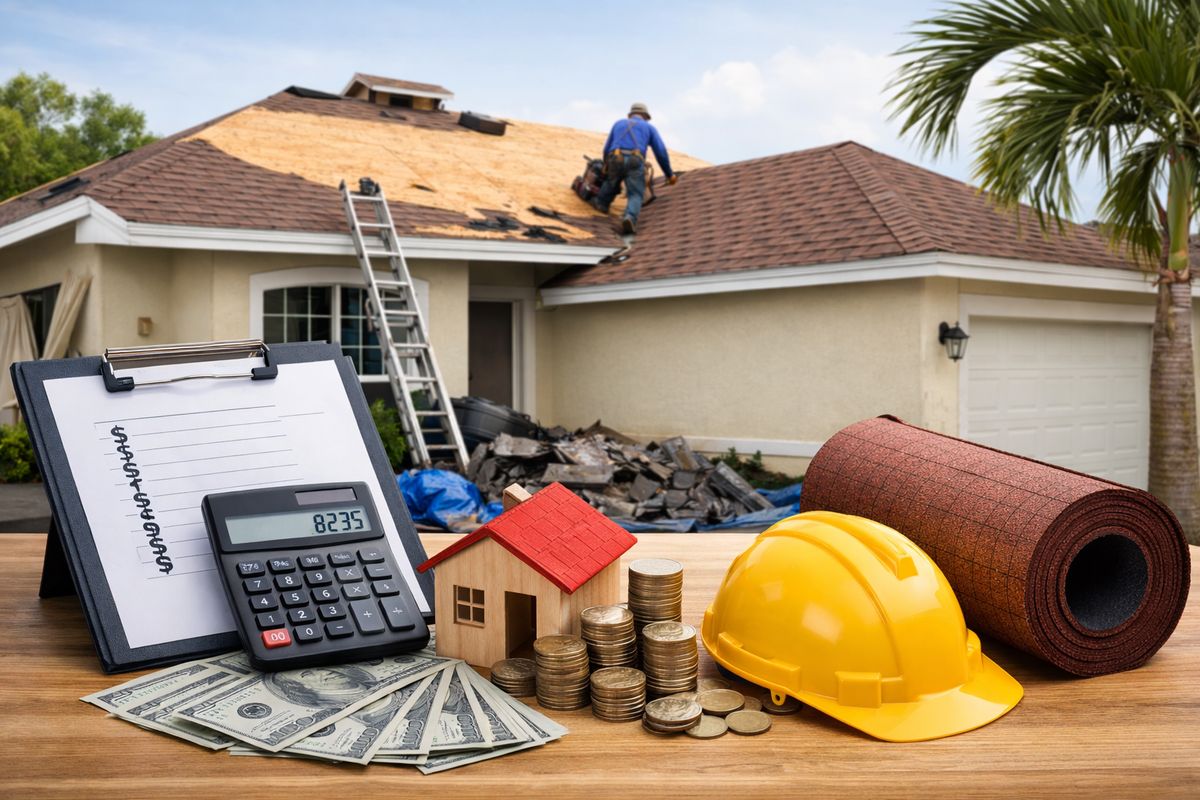
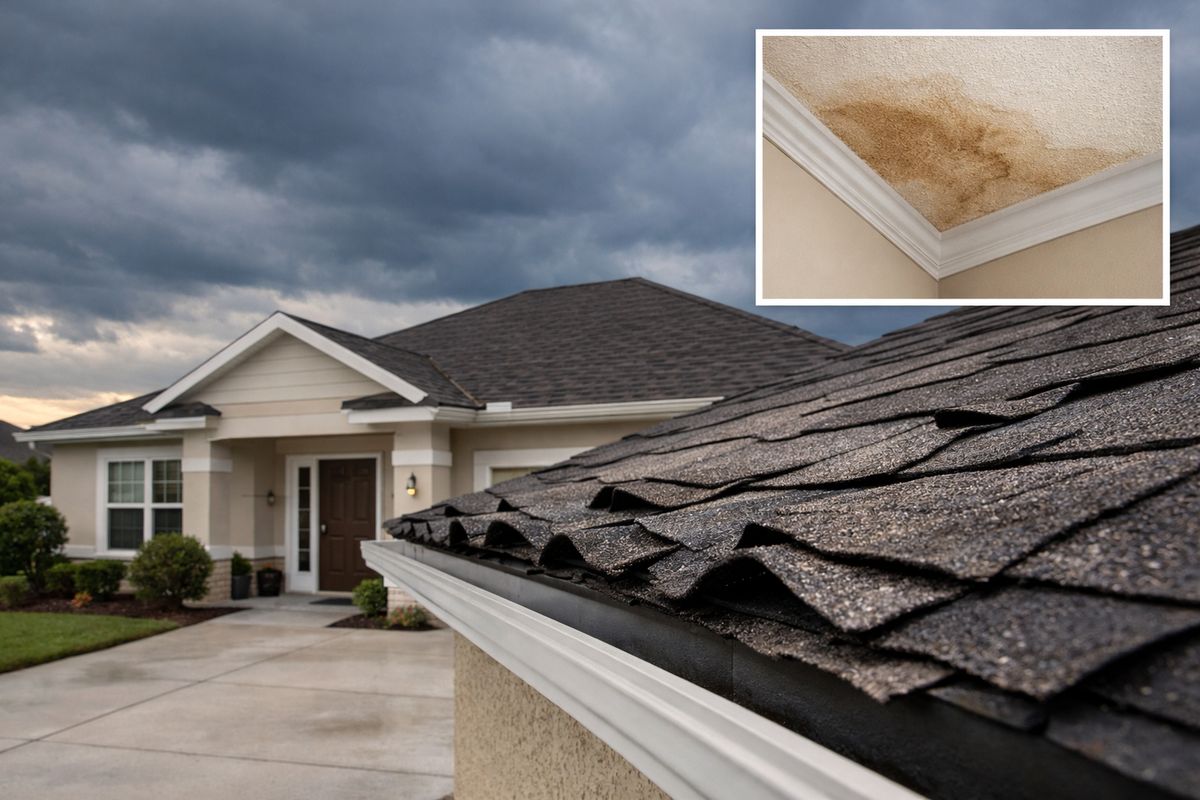
A new roof cost gets real fast when an Orlando afternoon storm rolls through and you notice a brown ceiling stain that was not there yesterday, or you spot curled shingles from the driveway while grabbing the mail. For many older homes in Winter Garden, Ocoee, Apopka, and Orlando, a full roof replacement with asphalt shingles often lands somewhere around $10,000 to $20,000, and the final number can climb well beyond that once age, damage, and Florida code upgrades enter the picture.
What a new roof really costs on an older florida home
Online roof calculators love to spit out neat little averages. Older Florida homes rarely cooperate.
If your home has an aging shingle roof, visible wear, or a history of leaks, the direct answer is simple: a new asphalt shingle roof often costs about $10,000 to $20,000 in this part of Central Florida. Smaller, simpler homes can come in lower. Larger homes, steeper roofs, and roofs with hidden wood damage can go higher, sometimes much higher.
That range covers what many homeowners actually see on estimates, not just a national average floating around a home improvement site. And that distinction matters. Florida roofs deal with brutal sun, pounding rain, wind exposure, permit requirements, and code rules that can push a “basic” replacement into a more involved project.
If your house is older, the roof price is not just about new shingles. It is also about what is hiding underneath.
Real price ranges by roof type
Material choice changes the price more than anything else. A lot of roofing ads dance around that point. No need. The roof material is the biggest cost driver, period.
Asphalt shingle: the most common starting point
Asphalt shingles are usually the entry point for older single-family homes because the upfront cost is lower than tile or metal. A typical installed range is about $4 to $10 per square foot, or roughly $8,000 to $18,000 for many homes.
That lower end sounds appealing, but here is the catch: it usually assumes a simpler roof, standard tear-off, and limited repair work underneath. On an older home in Ocoee or Apopka with multiple soft spots, worn flashing, and code-related upgrades, the low end stops being realistic pretty quickly.
Still, asphalt remains popular for a reason. It gives you the lowest upfront bill and a typical lifespan of about 15 to 30 years, depending on product quality, installation, and how hard Florida weather hits your roof.
Synthetic tile, metal, and other step-up options
If you want something longer-lasting without jumping straight to heavy concrete tile, synthetic roofing and metal become the next tier. Synthetic tile often runs about $8 to $15 per square foot, or roughly $16,000 to $30,000. Stone-coated steel usually lands around $10 to $18 per square foot, or about $20,000 to $36,000. Standing seam metal often starts around $12 per square foot and can reach $30, putting many projects in the $24,000 to $60,000 range.
That sounds like a huge jump, because it is. But lifespan changes too. Synthetic products often last 40 to 50 years. Stone-coated steel can last 40 to 70 years. Standing seam metal can stretch 50 to 70 years or more.
If you are weighing long-term value, it helps to look beyond the first invoice. Paying more once can beat paying less twice. If metal is on your shortlist, it helps to understand how Florida homeowners weigh the tradeoffs of a longer-lasting roof.
Concrete tile and premium roofs
Concrete tile sits in premium territory, often around $10 to $27 per square foot, or about $21,000 to $55,000 and up. On larger homes or complex roofs, totals can move past that without much trouble.
Tile lasts a long time, often 50 years or more, but older homes can hit a structural snag. Tile is heavy. If the home was not originally built for that load, extra framing support or other structural work may be needed before installation. That adds cost before the first tile even goes down.
This is where buyers get surprised. A premium material does not just cost more per square foot. It can trigger extra work around structure, installation detail, and labor.
Why older florida homes usually cost more than the online average
If your home is 20, 30, or 40 years old, the online average is usually a teaser number, not your number.
Hidden deck damage under old shingles
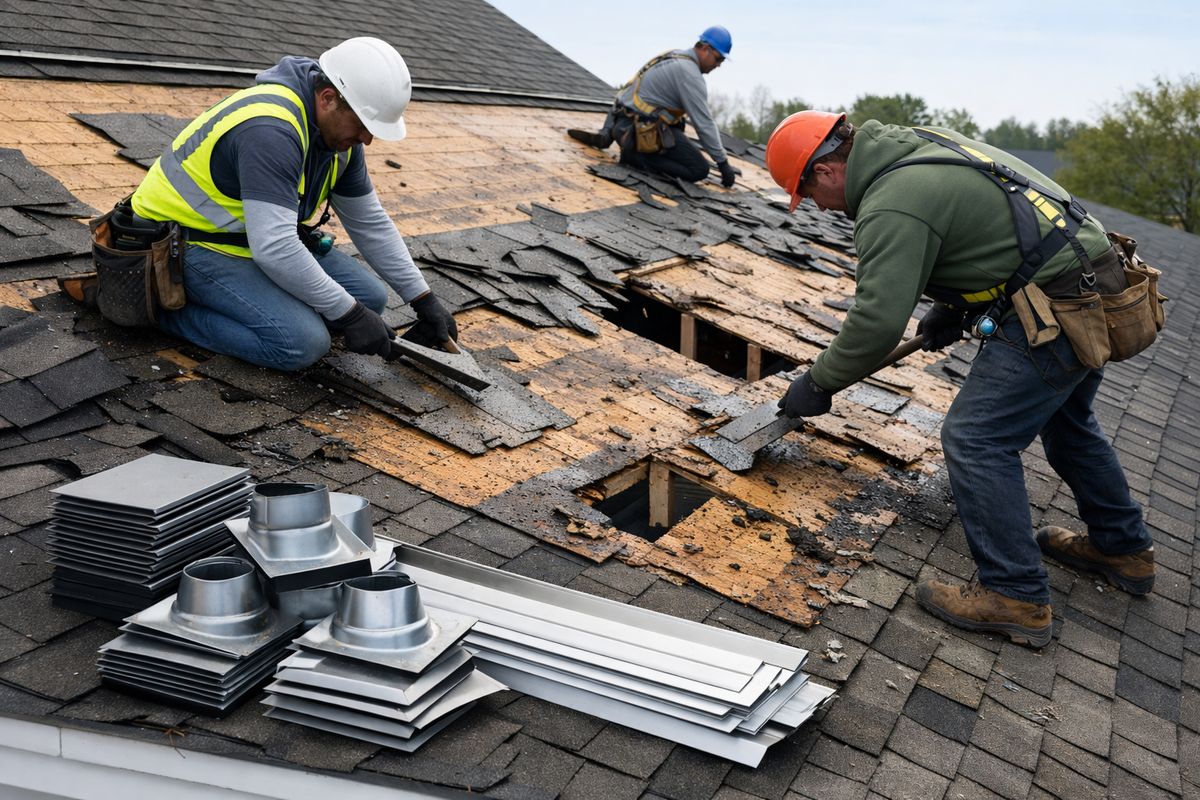
Decking is the wood base under the shingles or other roof covering. Once the old roof comes off, roofers get a clear look at that surface. On older homes, soft spots, rot, past leak damage, and warped sections are common.
This is one of the biggest reasons estimates and final invoices do not always match. A roof can look tired from the outside but worse underneath, kind of like peeling back old kitchen flooring and finding subfloor damage. Once exposed, bad decking has to be replaced before the new roof goes on.
Flashing, vents, and other worn roof parts
Flashing is the metal that seals joints and vulnerable areas around chimneys, walls, and roof penetrations. Pipe boots seal plumbing vent pipes. Drip edge helps water move off the roof edge properly. Ventilation parts help hot, moist air escape.
These parts do not grab attention the way shingles do, but on older roofs, plenty of them are near the end of life too. Reusing tired flashing or cracked pipe boots to save a little money is often a false bargain. Small components can quietly add hundreds or thousands to the estimate, but replacing them during a reroof is usually the right move.
Code upgrades and wind-mitigation requirements
Florida roofing costs run differently because Florida does not treat roofing like a cosmetic swap. Hurricane exposure changed that a long time ago.
Current code and wind-mitigation requirements can mean better attachment methods, upgraded underlayment, improved edge details, and inspection steps that older homes did not need when the last roof was installed. If your home is older, more of the roof system may need to be brought up to current standards. That can push your estimate higher than a national article suggests.
The 7 biggest things that change your final roof price
Once you understand the main cost drivers, roof estimates stop looking random. The number starts to make sense.
Roof size and shape
Roof size sets the baseline. More square footage means more material, more labor, and more disposal.
But shape matters almost as much as size. A simple ranch roof is cheaper to replace than a cut-up roof with hips, valleys, dormers, and multiple ridges. Every extra angle creates more labor and more material waste. A complicated roof is like wrapping an oddly shaped gift. It takes longer and uses more paper.
Material choice
This is the biggest cost driver, and it deserves to be said plainly. Material choice can create a difference of more than $40,000 on larger or more complex homes.
Asphalt keeps upfront cost lower. Metal, synthetic products, and tile raise the initial bill but usually last much longer. If you expect to stay in the house for decades, the math shifts. If you plan to sell sooner, paying for a premium roof may or may not make sense.
Tear-off, disposal, and number of layers
Tear-off means removing the old roofing before installing the new system. On older homes, that can be a bigger job than expected, especially if multiple layers are present or the old roof is brittle and messy to remove.
Disposal costs matter too. Dump fees, cleanup, and hauling are real line items. A quote that looks cheaper at first can leave out enough removal detail to become expensive later. If you want a clearer picture of how line items stack up, it helps to see what usually drives the final roofing bill.
Pitch, access, and job difficulty
A steep roof is harder and slower to work on. So is a roof with limited access, delicate landscaping, screened pool enclosures, or awkward two-story sections.
That does not always show up clearly in an online calculator. It shows up on your estimate. The harder the roof is to work on safely and efficiently, the more labor cost moves upward.
Permits, inspections, and local compliance
Roof replacements in Winter Garden, Ocoee, Apopka, and Orlando usually involve permits and inspections. Those costs are part of a legitimate project, not an annoying extra somebody invented to pad the quote.
Local timelines and requirements can vary a bit too. One area may move faster on permits. Another may be stricter about documentation or inspection steps. None of that changes the fact that compliance costs money, and it belongs in the budget from the start.
Labor timing after storms
Storm season can scramble pricing fast. After major wind or hail events, demand for roofing labor spikes, schedules tighten, and material delays become more common.
That is one of the most Florida-specific pricing issues out there. A quote in a calm stretch of the year can look very different from a quote issued after a big storm cycle.
Structural repairs discovered during the job
This is the wild card nobody loves talking about, but it is real. Once tear-off begins, hidden framing issues, widespread decking rot, or water-damaged areas around penetrations can appear.
That is why older homes need a little financial breathing room. If underlying damage shows up, the project has to address it. Otherwise, the new roof is going onto a bad foundation.
Cost by home size: what estimates often look like
Square-foot pricing feels abstract until you match it to a house size that sounds like yours.
Smaller older homes
For a smaller older ranch home with a relatively simple roof, asphalt shingle replacement may fall near the lower to middle part of the common range, often around $8,000 to $14,000 if repairs are limited. If the house has obvious wear, past leak history, or rotted decking, that number can climb.
These homes sometimes look like budget-friendly roof jobs from the street. Then the tear-off starts and age shows up underneath.
Mid-size family homes
This is where many estimates land in Central Florida. For homes in the roughly 1,800 to 2,500 square foot range, asphalt roofs often fall around $10,000 to $20,000, depending on complexity and condition.
If you move into synthetic products, stone-coated steel, or metal, totals often jump into the mid-teens, twenties, or beyond. This size range is where homeowners usually feel the tension most clearly: keep the upfront number lower, or spend more now for a roof that may outlast the next two shingle cycles.
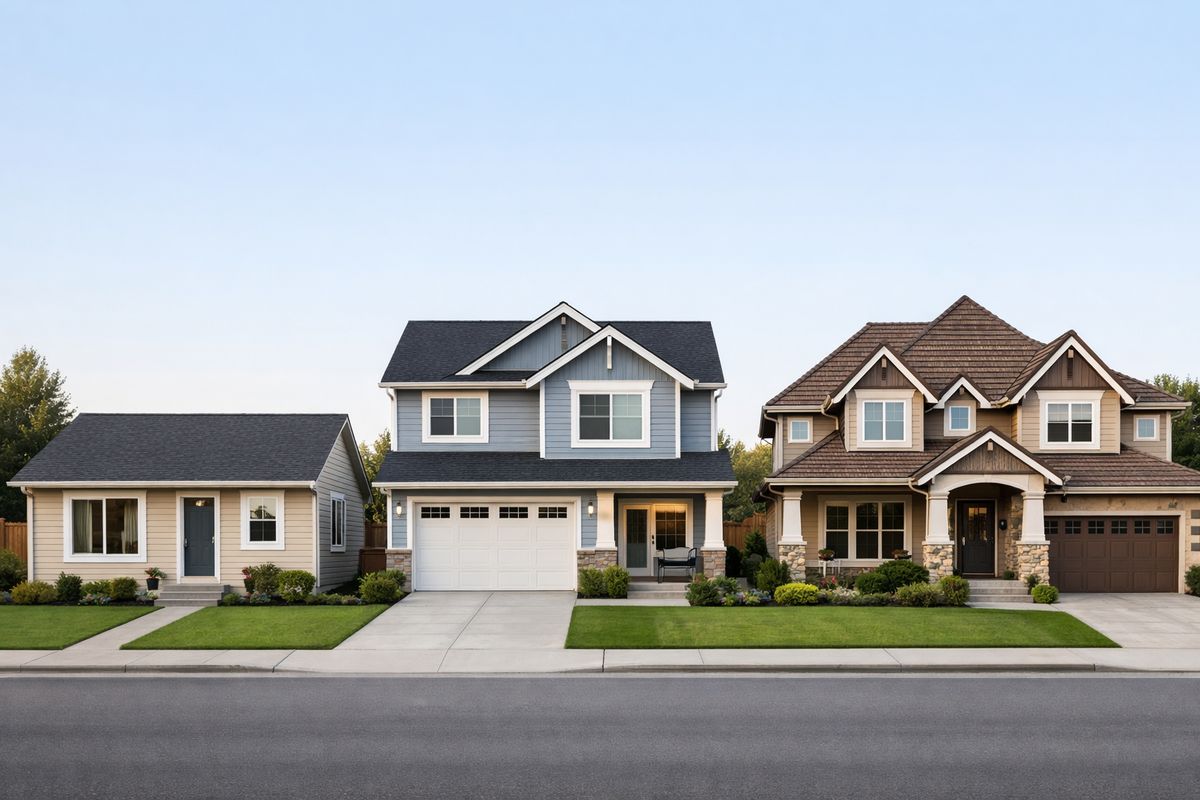
Larger or more complex homes
Larger homes do not just cost more because they are larger. Complex rooflines multiply labor. Premium materials multiply that again.
A bigger home with multiple valleys, steep sections, and premium roofing can move from “expensive” to “seriously expensive” faster than expected. That is especially true with concrete tile and standing seam metal, where totals can stretch past $50,000.
Repair or replacement? how to tell which bill You’re really facing
Sometimes you are shopping for a repair. Sometimes you are really shopping for a full replacement and just do not know it yet.
Signs a repair may still make sense
A repair can still make sense if the roof is relatively newer, the damage is isolated, and the leak or missing shingles are limited to a small area. In that case, buying time can be reasonable.
If you are trying to sort that out, it helps to compare when a fix still makes sense and when the roof is already beyond patchwork. A targeted repair bill is a very different conversation from a full reroof.
Signs you’re likely past the repair stage
If you are seeing curling shingles, recurring leaks, sagging areas, heavy granule loss, attic moisture, rusted flashing, or visible storm damage, you are probably past the point where a patch is the smart long-term move.
Repeated repairs on a failing roof can feel cheaper month to month, but that is how homeowners end up paying for both roofing work and interior ceiling repairs. If several of those warning signs sound familiar, start with the most common clues that an aging roof is no longer doing its job.
Why an inspection comes first
An inspection comes first because guessing is expensive. You can spot warning signs from the ground, from the attic, or from stains inside the house, but you cannot price the full situation accurately until the roof is inspected.
Stay off the roof yourself. Ground-level photos are enough for your notes. A professional inspection is the safer and more useful first step.
Budgeting for a roof without getting blindsided
The smartest roof budget is not the cheapest quote. It is the one that matches the real job.
Build in a cushion for hidden repairs
On an older Florida home, planning a cushion for hidden wood replacement, flashing updates, or ventilation work is just practical. It keeps the project from turning into a panic the moment tear-off reveals damage.
The lowest bid can feel like a win right up until the underlayment comes off. Then the true condition starts talking.
Compare quotes the right way
When you compare estimates, line up the details side by side: material type, underlayment, tear-off scope, disposal, permits, inspection handling, warranties, and how wood replacement is priced. If one quote is dramatically lower, there is usually a reason.
Sometimes that reason is efficiency. Often, it is missing scope. You want clear language on what is included and what becomes an added charge if discovered.
Financing and insurance: what may actually help
Insurance usually does not pay for an old roof that simply wore out. Age and normal wear are not the same as covered storm damage. But documented wind or storm damage can change that equation.
Financing can help spread out the cost if replacement cannot wait. Just treat financing as a payment tool, not a reason to ignore the total project price. A manageable monthly payment on the wrong roof is still the wrong roof.
Common mistakes that make roof costs go sideways
Roofing projects get expensive enough on their own. No need to add avoidable mistakes.
Shopping only by lowest price
A low bid can leave out code upgrades, permit handling, disposal, or realistic allowances for wood replacement. Then the “cheap” roof gets expensive in pieces.
Price matters, of course. But what the price includes matters more.
Assuming florida costs match national articles
National averages can be useful for broad context, but they are shaky guides for older homes in Central Florida. Local code, wind requirements, labor demand, and storm season pricing swings change the equation.
A clean national average is nice for curiosity. It is not how your actual estimate gets built.
Waiting until leaks spread inside
A small leak rarely stays small in Florida. Water moves. It stains ceilings, softens drywall, damages insulation, and can feed mold problems in hot attic spaces.
If you are already noticing interior signs, pay attention to the leak warnings homeowners often catch too late. Roof damage tends to get more expensive, not less, with time.
Choosing a material that doesn’t fit your plans
If you expect to move soon, a premium lifetime roof may not be the best financial fit. If you plan to stay for decades, the cheapest shingle option can become a false economy.
The trick is matching the roof to your timeline. Short-term ownership and long-term ownership point to different choices, and that is normal.
Which roofing option fits your situation best
A good roofing choice is not about picking the fanciest material. It is about fit.
Best fit if you need the lowest upfront cost
Asphalt shingles are usually the budget-first path. You get the lowest starting price and the broadest familiarity in the market.
The tradeoff is lifespan. In Florida heat and weather, asphalt may need replacement sooner than higher-end systems, especially if installation quality or attic ventilation is poor.
Best fit if you want longer life without full tile pricing
Synthetic roofing and stone-coated steel sit in the middle ground. They cost more than asphalt but usually less than top-tier tile or some standing seam metal systems.
This middle tier can make a lot of sense if you want better longevity and curb appeal without jumping all the way to the heaviest or most expensive option.
Best fit if you plan to stay put for years
If this is the house you expect to keep, metal, tile, and other long-life systems deserve a serious look. The upfront cost is much higher, but the long-term math can work in your favor.
This is especially true if you want to avoid going through another full shingle replacement down the road.
What to do before you ask for estimates
Before you start collecting quotes, gather the roof age if you know it, write down visible trouble spots, and take a few clear photos from the ground. Note any ceiling stains, attic moisture, missing shingles, sagging areas, or spots where water seems to show up after storms.
That simple prep makes estimate conversations more useful, but the one thing worth doing first is even simpler: get a real inspection before assuming the cheapest roof number online applies to your home.
Frequently asked questions
How much does a new roof cost for an older home in central florida?
For many older single-family homes with asphalt shingles, a full replacement often lands around $10,000 to $20,000. Smaller, simpler roofs may cost less, while larger roofs, premium materials, and hidden repairs can push the total much higher.
Why is my roof estimate higher than online averages?
Online averages often miss Florida-specific costs such as hurricane code upgrades, permit fees, post-storm labor pricing, and hidden decking damage. Older homes also tend to need more replacement of flashing, vents, and wood than newer homes.
Does homeowners insurance pay for a new roof?
Insurance usually does not cover replacement due to age or normal wear. If storm damage is documented, coverage may be possible, depending on your policy and the condition of the roof before the loss.
Is it cheaper to repair an old roof instead of replacing it?
Sometimes, yes, if the damage is isolated and the roof still has useful life left. If you are dealing with repeated leaks, curling shingles, sagging, or widespread wear, repairs often become a temporary patch on a roof that already needs replacement.
How much more do metal or tile roofs cost than shingles?
Quite a bit more upfront. Asphalt often falls around $8,000 to $18,000, while standing seam metal can run roughly $24,000 to $60,000 and concrete tile can reach $21,000 to $55,000 or more, depending on size, structure, and complexity.
How should you prepare before asking for roof estimates?
Start by gathering any records on roof age, noting visible damage from the ground, taking photos, and listing leak locations inside the home. Then schedule an inspection so estimates are based on the actual roof condition, not guesswork.
Ready to protect your home? Get in touch with the Hi Low Roofing team for your free estimate. https://hilowroofing.com/free-estimate/


