If you’re staring at a ceiling stain or a quote that made your jaw drop, you probably don’t want roofing theory. You want a real ballpark for a 2,000 square foot roof cost in Florida, and you want to know what actually moves that number. Here’s the straightforward version: most 2,000-square-foot roof replacements in Florida land somewhere between $10,000 and $22,000, but material choice, roof shape, tear-off work, and hidden repairs can push that number lower or much higher.
What a 2,000-Square-Foot roof usually costs in florida
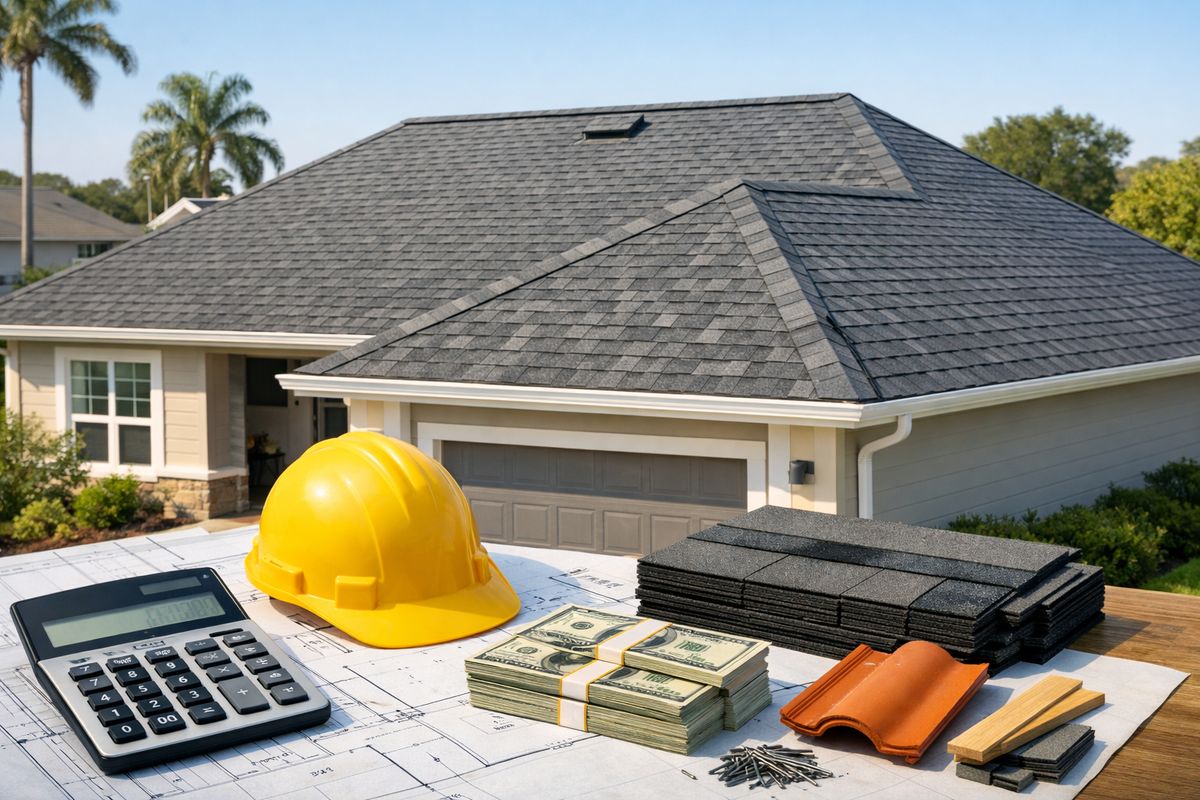
For a typical Florida home, a full roof replacement on a 2,000-square-foot roof often falls around $10,000 to $22,000. A very basic asphalt shingle job on a simple roof may come in near the lower end, while metal, tile, or a more complicated layout can move the price up fast. Plenty of homeowners also end up around the middle, roughly $14,500, once labor, permits, underlayment, and disposal are included.
Here’s the thing: “2,000 square feet” sounds precise, but roofing quotes rarely work that neatly. Contractors price the actual roof area and the work involved, not just the living space listed on a real estate sheet. If you want a broader look at what pricing looks like across the state, it helps to compare your quote against Florida-specific ranges, not national averages that ignore hurricane rules and local labor costs.
Why a 2,000-square-foot house doesn’t always mean a 2,000-square-foot roof
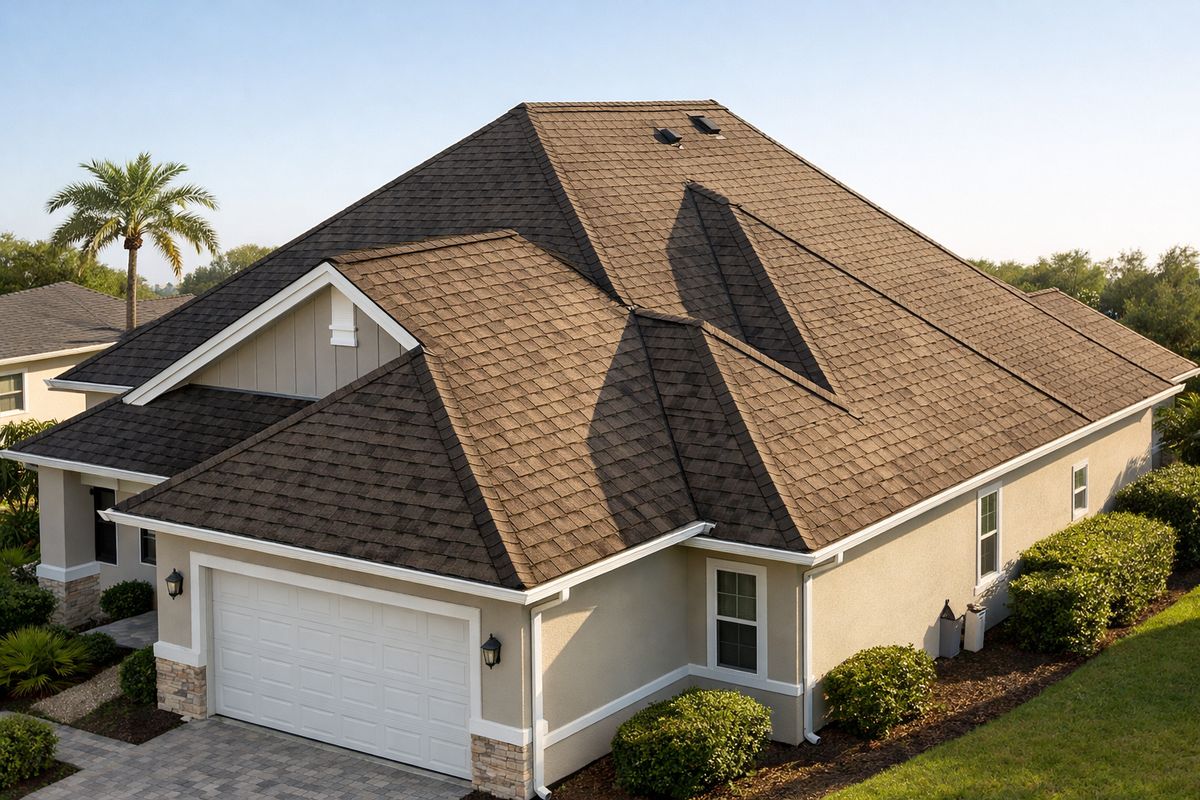
A 2,000-square-foot house can easily have more than 2,000 square feet of roofing. Roof pitch is one reason. A steeper roof has more surface area than a flatter one, just like a ramp is longer than the floor space it covers.
Overhangs also add square footage. So do valleys, which are the inward angles where roof sections meet. Add a garage, a covered entry, or a second-story section, and the numbers drift even more. A home in Orlando with a front-facing gable, attached garage, and deep eaves can have a roof footprint that surprises you, even if the house size sounded simple on paper.
That’s why two homes with the same interior square footage can get very different estimates. One roof is basically a rectangle. The other is a jigsaw puzzle.
Cost breakdown by roofing material
Material is the biggest price driver, no contest. It affects not just the quote, but also how your roof handles Florida sun, heavy rain, salt air in coastal areas, and high winds during storm season.
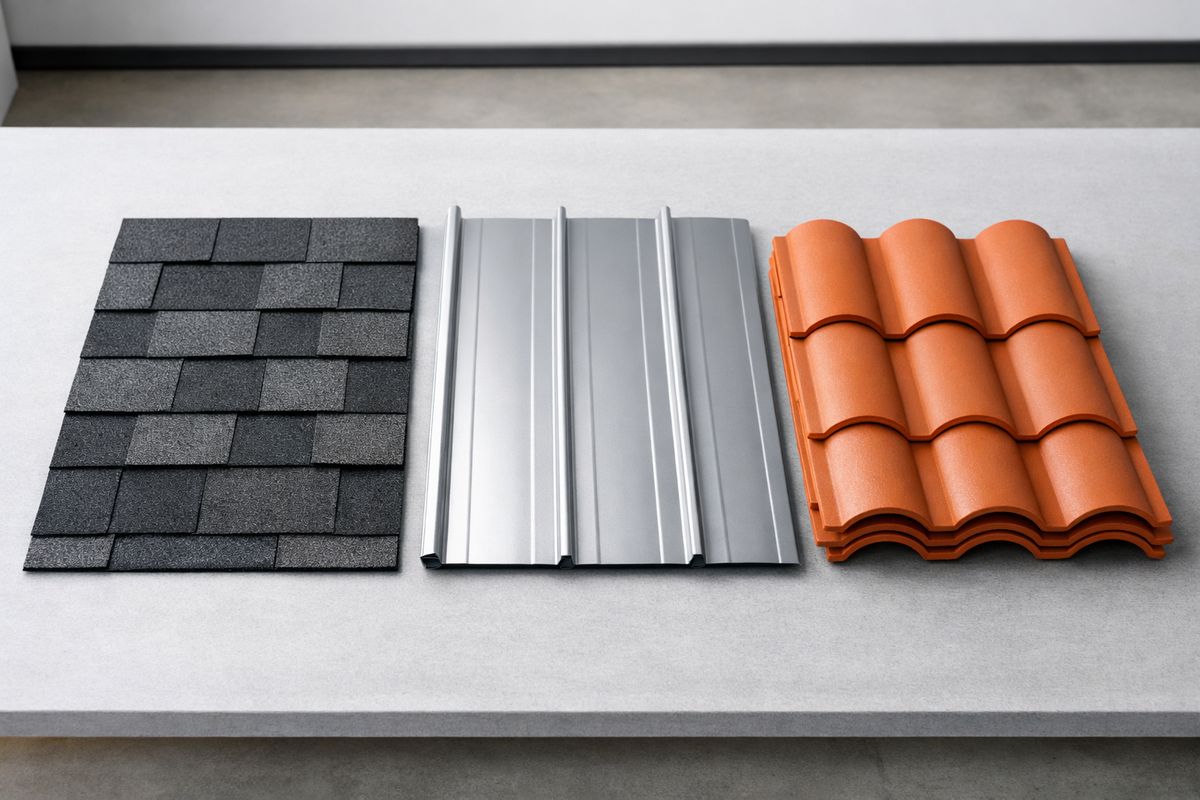
As a general rule, asphalt shingles cost the least upfront, metal sits in the middle to upper-middle range, and tile or slate can get expensive quickly. If you want a wider look at what tends to push roofing prices around, material choice is almost always at the top of the list.
Asphalt shingle roof cost for 2,000 square feet
For a 2,000-square-foot roof, asphalt shingles usually cost about $8,000 to $17,000 in Florida. That’s why shingles remain the default choice for many homeowners. The upfront price is easier to swallow, installers are easy to find, and repairs tend to be simpler than with premium materials.
The catch is Florida weather. Shingles can take a beating from heat, UV exposure, wind, and pounding summer rain. A lower-cost shingle roof may look like a bargain today, but if it ages faster or needs more storm-related repairs, that lower sticker price can lose some of its shine. If your budget is tight and your roof design is straightforward, shingles still make sense. Just don’t assume all shingles perform the same.
Metal roof cost for 2,000 square feet
A metal roof for the same size home often runs about $14,000 to $30,000. That higher upfront cost is real, and yes, it can feel like a leap when you compare estimates side by side. But in Florida, metal earns serious consideration.
Metal roofs usually last longer than shingles. They reflect more heat, which can help with cooling costs, and they generally perform well in wind and heavy rain when installed correctly. Noise is the myth that refuses to die. In a properly installed system with solid decking and attic insulation, rain noise is usually nowhere near the old barn-roof stereotype.
So, is a metal roof worth it in Florida? Often, yes. Especially if you plan to stay in your home for a long time, want stronger storm performance, or are tired of replacing shingles sooner than expected. If you want a deeper side-by-side look, this breakdown on choosing between metal and shingles in Florida helps clarify the trade-offs.
Tile and other premium roof costs
Tile, slate, and other premium materials usually start around $19,000 and can climb to $80,000 or more, depending on the material and roof design. Clay and concrete tile are common in Florida because they hold up well in heat and look right at home on many architectural styles. Slate looks beautiful but often makes less sense here because of cost, weight, and installation demands.
Prices climb for a few reasons. Premium materials cost more to buy, more to transport, and more to install. Some also require structural support because they’re much heavier than shingles or metal. That means your “roof quote” can start pulling in carpentry or framing work too.
For many homes, premium roofing is partly about performance and partly about curb appeal. That’s not a bad thing. But if you’re choosing tile mostly because it looks great from the street, it helps to admit that upfront. Beauty counts, just not in the same way as storm resistance or lifespan.
What florida-specific costs push your price up
Florida roofing prices can feel high because the job itself is tougher here. Heat, rain, humidity, storms, insurance pressure, and stricter code enforcement all show up on the estimate in one way or another.
That doesn’t mean every contractor is overcharging. Often, it means the work has to be done to a higher standard, with more paperwork and more weather planning than in calmer parts of the country. If you’ve wondered why roofing costs can feel unusually high in Florida, this is a big part of the answer.
Hurricane codes, permits, and inspection requirements
Florida code is not casual about roofs, and honestly, that’s a good thing. Wind-mitigation rules, fastening patterns, approved materials, underlayment requirements, and permit inspections all add cost, but those details can also improve storm performance and even affect insurance savings.
A proper estimate should account for permits and code-compliant installation, not treat them like optional add-ons. If one quote seems dramatically cheaper, check whether permit costs, inspection steps, or upgraded fastening methods were quietly left out. Cheap on paper can get expensive fast if the job fails inspection or creates problems with insurance documentation.
Heat, humidity, and storm-season scheduling
Florida weather affects roofing in practical ways. High heat slows crews down. Afternoon storms interrupt installation. Humidity can expose existing weak spots once materials are removed. And after a major storm event, labor demand can spike overnight.
That’s why pricing in places like Orlando can swing more than you’d expect. In busy periods, especially after hurricane threats or widespread wind damage, urgency pricing becomes real. The same roof that gets quoted calmly in a slower month can cost more when every contractor’s phone is ringing off the hook.
Labor, tear-off, and hidden costs that change the quote
Material gets most of the attention, but labor is often about half the total bill, sometimes 50% to 60%. That matters because two roofs using similar shingles can still come in thousands apart if one is harder to access or far more complicated to install.
The real budget wrecker, though, is hidden damage. Everything can look manageable until the old roof comes off.
Labor and roof complexity
Simple roofs cost less to replace because the crew can move faster and waste less material. A steep roof, multiple valleys, skylights, chimneys, second-story sections, or tricky access can add $1,000 to $3,000 in labor without much effort.
That’s the part many homeowners miss. A roof can look ordinary from the driveway but turn into a slower, more technical job once the crew gets up there. More cuts, more flashing, more safety setup, more time. In larger metro areas, labor can also run 20% to 40% higher than in smaller towns, which is one reason city quotes often sting more.
Tear-off, disposal, and underlayment
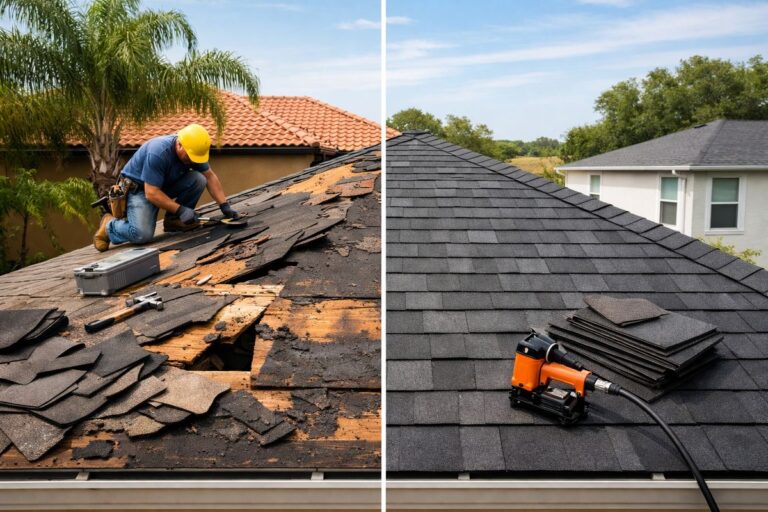
Removing the old roof and hauling it away usually adds about $1,000 to $1,500. That line item is normal. So is underlayment, which is the water-shedding layer that sits under the visible roofing material.
In Florida, underlayment matters a lot because wind-driven rain has a way of finding weak spots. If your estimate rolls tear-off, disposal, and underlayment into a vague one-line total, ask for more detail. You want to see where the money is going, especially on a replacement rather than a simple overlay.
Decking, fascia, and other surprise repairs
This is where budgets get knocked sideways. Once old materials are removed, a contractor may find rotten decking, soft spots, damaged fascia, or ventilation issues. Those repairs often add $2,000 to $8,000, depending on how widespread the damage is.
A small patch of bad wood is one thing. Multiple sheets of rotten decking near a long-term leak are another. The smart move is to build in a 10% to 20% cushion before the work starts. Think of it like opening up a wall during a bathroom remodel. You hope everything behind it is fine, but you don’t bet your budget on hope.
Should you repair or replace a leaking roof?
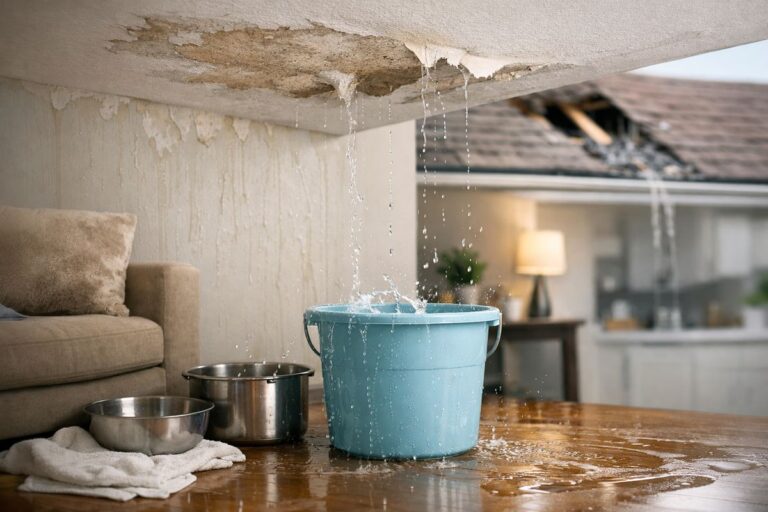
A leak does not automatically mean full replacement. But repeated patch jobs on an aging roof can turn into the home-maintenance version of topping off a dying car with oil every week. At some point, you stop fixing and start swapping.
If you’re stuck on that decision, it helps to compare the age of the roof, the extent of damage, and how often the problem comes back. A closer look at deciding between another repair and a full replacement can help if you’re right on the fence.
When a repair makes sense
A repair usually makes sense when the damage is isolated, the roof is relatively new, and the rest of the system is in good shape. A few missing shingles after a storm, a small flashing issue around a vent, or one limited leak can often be fixed without wasting money.
Repairs also make sense when you need more time before a larger replacement. If the roof still has useful life left, a targeted repair can buy breathing room. The key is making sure the problem is actually limited, not just the first visible sign of a bigger failure.
When replacement is the smarter move
Replacement becomes the better call when leaks keep returning, storm damage affects multiple sections, shingles are curling or failing across broad areas, or parts of the roof are sagging. Age matters too. If your roof is nearing the end of its expected lifespan, putting more money into spot fixes can be false economy.
That’s especially true in Florida, where a roof already weakened by age can go from “mostly okay” to major trouble after one rough storm season. If you’re facing repeated repairs and rising insurance concerns, replacement is often the cleaner, cheaper decision over the next several years.
How to compare roofing quotes without getting burned
The cheapest quote is not automatically the best deal. In roofing, a low number can mean missing line items, cheaper materials, thin warranty coverage, or shortcuts you won’t notice until the first hard rain.
You’re not just buying materials. You’re buying workmanship, code compliance, cleanup, and the odds that the roof still performs when the next Florida storm rolls through.
What should be included in every estimate
Every quote should clearly show materials, underlayment, labor, tear-off, disposal, permit costs, repair allowances, warranty details, timeline, and cleanup. If any of that is vague, your comparison is already off.
A good estimate should also spell out what happens if hidden wood damage is found once the roof is opened up. That doesn’t mean every contractor can predict the exact number in advance. It means the process and unit pricing should be clear enough that you’re not blindsided later.
Questions to ask a roofing contractor in orlando or anywhere in florida
Ask whether the contractor is licensed and insured, whether permits are included, what hurricane-rated installation methods are being used, and who handles inspections. Ask whether the installation crew is in-house or subcontracted. Ask what underlayment is being installed and how cleanup is handled.
None of that is nitpicking. It’s how you separate a polished sales pitch from a real scope of work. If you’re collecting bids, compare line by line. One estimate that looks higher at first glance may actually include better protection, clearer warranty terms, and fewer surprise charges later.
How to budget for your roof replacement
Roof budgeting gets easier once you stop chasing a single magic number and start thinking in tiers. Your best choice depends on how long you’ll stay in the home, how much storm durability matters to you, and whether you care more about the monthly budget or the long-term cost of ownership.
For some homes, spending less now is the right move. For others, paying more upfront saves money and hassle over time.
Best value by budget tier
If you need the lowest upfront cost, asphalt shingles usually offer the best value. You get a lower entry price, easier repairs, and broad contractor availability. The trade-off is shorter lifespan and potentially more wear from Florida weather.
If you want the best long-term value, metal often hits the sweet spot. The upfront cost is higher, but you get longer service life, better heat performance, and stronger storm durability. If you want premium curb appeal and very long lifespan, tile can make sense, especially on homes designed for it. Just expect a much bigger initial investment, and make sure the structure can support the weight.
Financing, timing, and one smart next step
Financing can make a replacement manageable, especially if the alternative is waiting through another rainy season with an active leak. Some homeowners use home improvement loans, insurance proceeds for storm-related damage, or contractor financing, but the numbers still need to make sense. A payment plan doesn’t turn a bad deal into a good one.
Timing can help too. Slower seasons sometimes create a little more scheduling flexibility, while post-storm urgency often does the opposite. The smartest next step is simple: get at least three detailed estimates and compare scope, not just sticker price.
Ready to protect your home? Get in touch with the Hi Low Roofing team for your free estimate.
Frequently asked questions
How much should a 2,000-square-foot roof cost in florida?
A typical replacement usually falls between $10,000 and $22,000, with many projects landing around the mid-teens. Asphalt shingles are usually the lowest-cost option, while metal and tile push the total higher.
Why is my quote so much higher than my neighbor’s?
Roof size on paper is only part of the story. Pitch, valleys, multiple levels, tear-off needs, labor rates, permit requirements, and hidden repairs can all change the total. Two homes with similar square footage can have very different roofs.
Is a metal roof worth the extra cost in florida?
For many homes, yes. Metal costs more upfront, but it usually lasts longer, handles Florida weather well, and can help with heat reflection. It tends to make the most sense if you plan to stay in your home for years and want stronger long-term value.
How much should you budget for hidden roof repairs?
A good rule is to set aside an extra 10% to 20% beyond the base quote. That gives you room for common surprises like rotten decking, fascia damage, or ventilation fixes discovered during tear-off.
Is it cheaper to repair a leaking roof instead of replacing it?
Sometimes. If the leak is isolated and the roof is still relatively new, a repair can be the right move. If leaks keep coming back or the roof is near the end of its life, replacement is usually the better financial decision.
What’s The biggest mistake to avoid when comparing roof estimates?
Picking the lowest number without checking the scope. A quote should clearly include materials, labor, tear-off, disposal, permits, underlayment, warranty details, and repair allowances. If those details are fuzzy, the price comparison is not real.