
Florida roof insurance coverage means the part of your homeowners policy that may pay for roof damage caused by a sudden covered event, not damage from age or neglect. If you spotted a ceiling stain after one of those hard afternoon storms rolling through Orlando, this is the question that matters fast: is this a covered claim, or just an expensive roof problem?
What florida roof insurance coverage actually means
In plain English, Florida roof insurance coverage is protection for roof damage when a covered event causes it. A standard homeowners policy often helps with storm damage, wind damage, hail, or a tree limb crashing into the roof. It usually does not pay for a roof that simply got old, worn out, or ignored for too long.
That difference drives almost everything. If your home is older, or your roof already shows visible wear, the roof often becomes one of the first things an insurer looks at. A roof is your home’s rain jacket. If it already had holes before the storm, that matters.
The basic idea: sudden damage vs. worn-out roof
Insurance is built for sudden, accidental damage. It is not a maintenance plan.
The key word is “peril,” which just means the event that caused the damage. A peril could be wind, hail, a fallen tree limb, or flying debris during a storm. If that event damaged a roof that was in decent shape beforehand, coverage is much more likely to come into play.
A roof that has been slowly breaking down for years is a different story. Curling shingles, dried-out seal strips, repeated small leaks, and long-term wear usually point to age or upkeep issues, not a covered loss.
Why florida roofs get extra attention
Florida roofs deal with more punishment than roofs in calmer climates. In Winter Garden, Ocoee, Apopka, and Orlando, your roof takes heat, UV exposure, pounding rain, gusty thunderstorms, hurricane-season wind, and plenty of debris.
That extra stress speeds things up. Shingles can get brittle sooner. Flashing can loosen. Older repairs can fail. Insurers know this, so roof age and condition carry more weight in Florida than in a lot of other states.
What your policy usually covers for roof damage
Most covered roof claims start with one thing: something happened, and it happened suddenly. You can usually point to a storm, a branch, a blow from debris, or another specific event.
Wind, hail, and storm damage
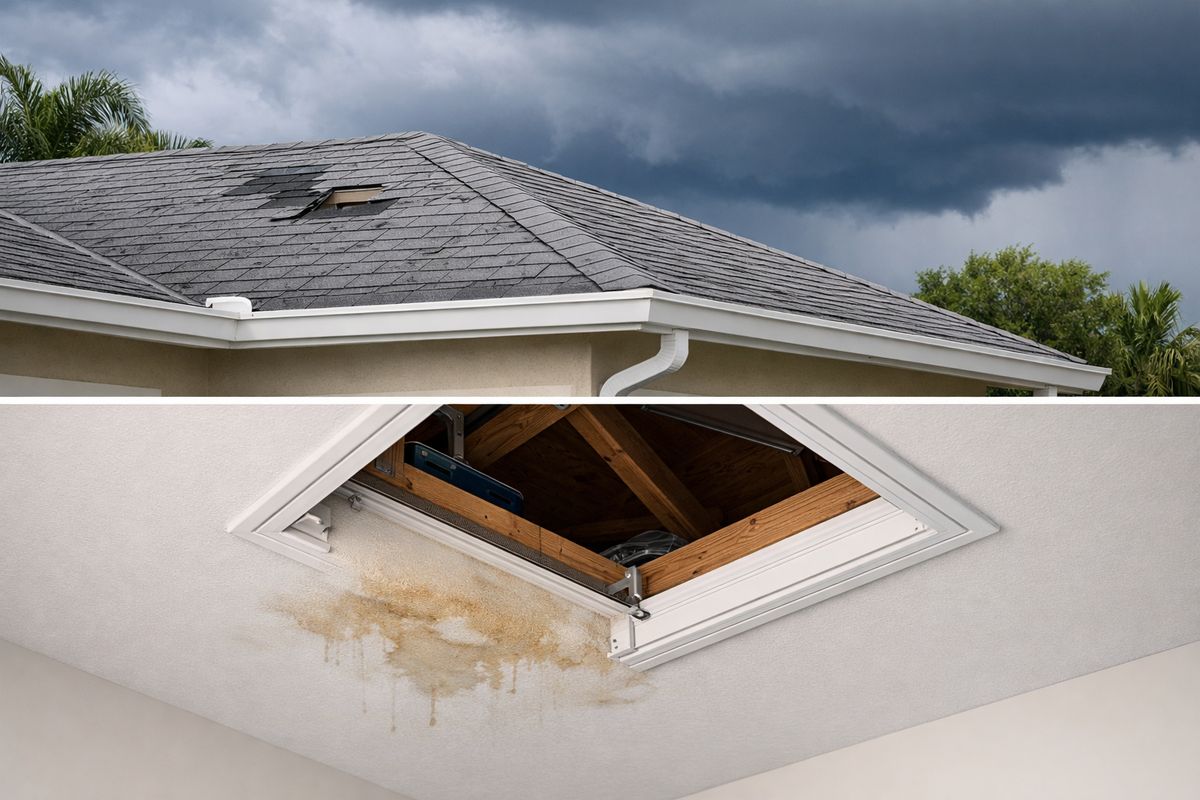
This is the most common category. After a storm, coverage may apply if your roof has missing shingles, lifted tabs, punctures, torn underlayment, or a fresh leak tied to the weather event.
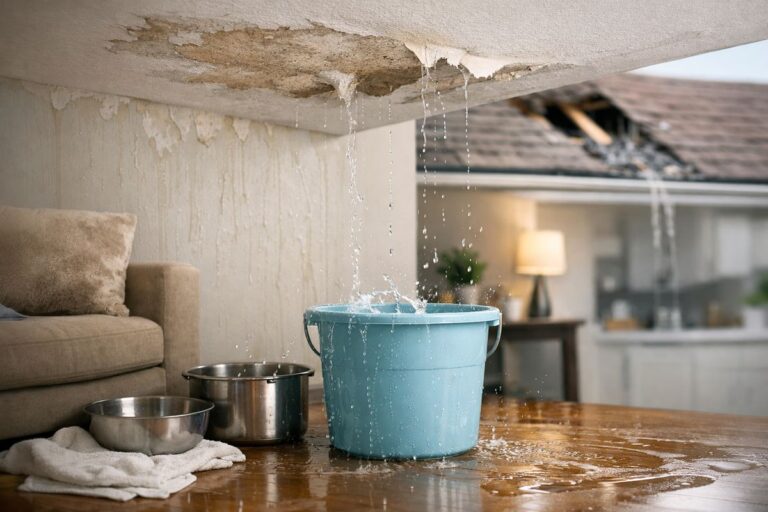
The timing matters. If your living room ceiling started staining right after a rough storm, that is very different from a slow brown spot that has been spreading for six months. If you are trying to tell the difference, it helps to know the storm damage clues people often spot first.
Fallen trees, flying debris, and other sudden accidents
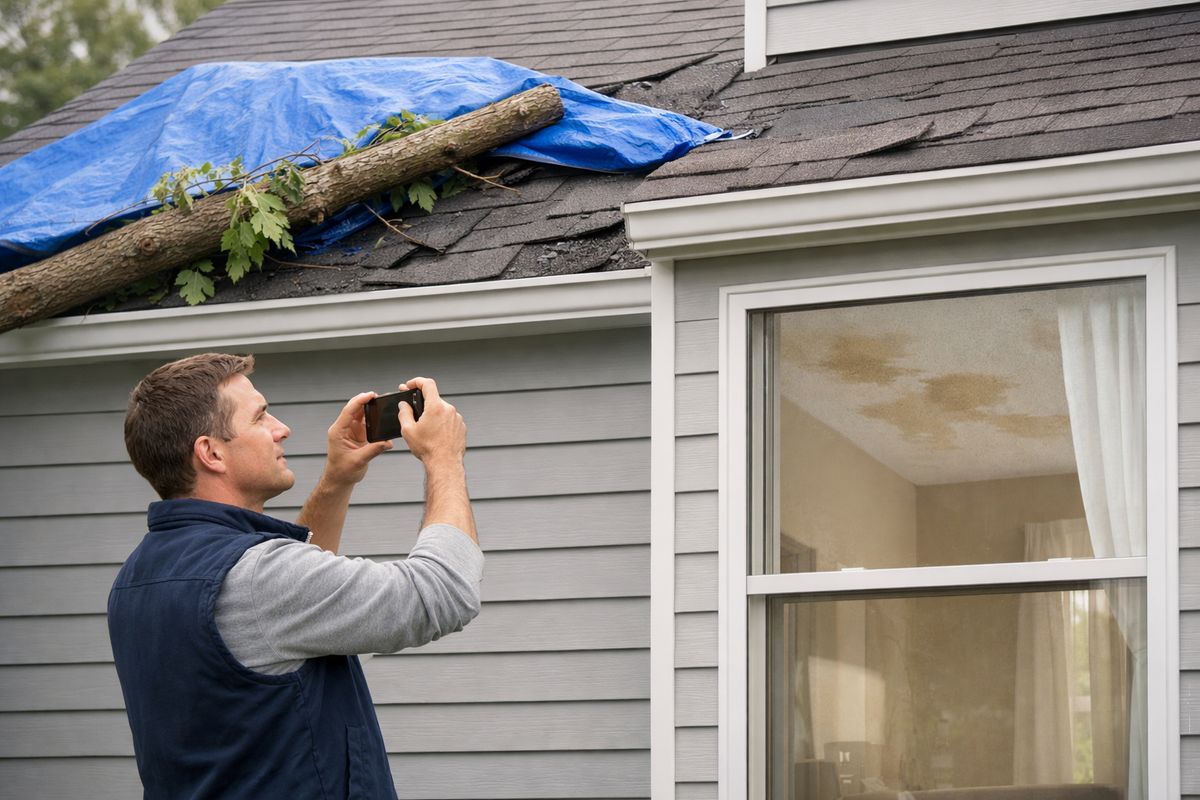
If a tree limb drops onto your roof or wind throws debris hard enough to damage it, that is usually the kind of accident insurance is meant to cover. The same goes for an opening created by a covered event that then lets water into the house.
That second part matters. Sometimes the big issue is not the hole in the roof itself, but what happened after the hole opened.
When water damage inside the house is part of the claim
A roof leak can damage ceilings, insulation, drywall, paint, flooring, and even cabinets. That interior damage may be part of the claim if the leak started because of a covered event, like storm damage.
The cause is everything here. A leak from wind-torn shingles is very different from a leak caused by an old cracked vent boot that has been failing for years. If your main concern is the leak itself, this deeper look at how leak-related claims are usually handled helps connect the dots.
What florida roof insurance usually does not cover
This is where frustration usually starts. A lot of roof problems are real, expensive, and urgent, but still not covered.
Old age, wear and tear, and maintenance issues
If your shingles are cracked, curling, thinning, or shedding granules because the roof is simply old, insurance usually will not pay to replace it. That is especially relevant if your roof is 15, 20, or 25 years old and already showing its age.
Here is the blunt version: a worn-out roof is a homeownership cost, not an insurance claim.
If you are unsure how your roof’s age stacks up in Florida’s climate, it helps to read about how long different roofs usually hold up here.
Pre-existing damage and visible neglect
If the roof already had obvious problems before the storm, that can sink a claim or reduce the payout. Insurers look for signs like old patch jobs, soft spots, repeated leak stains, sagging sections, or shingles that were missing long before the weather event.
That does not mean an older roof can never have a valid claim. It means the roof’s condition before the loss becomes part of the argument.
Cosmetic damage vs. functional damage
Cosmetic damage means the roof looks rough. Functional damage means it no longer sheds water and protects the home the way it should.
That difference matters because some policies treat cosmetic-only damage differently, especially if the roof still performs. A few scuffs or dents may not lead to a full payout. A puncture, broken seal, or exposed underlayment is much more serious.
How florida roof claim payouts work
Even when damage is covered, the payout amount can surprise you. This is where roof claims often get confusing.
Actual cash value vs. replacement cost
Actual cash value means depreciation gets subtracted. In other words, your insurer looks at what the damaged roof section was worth in its used condition, not what a brand-new roof costs today.
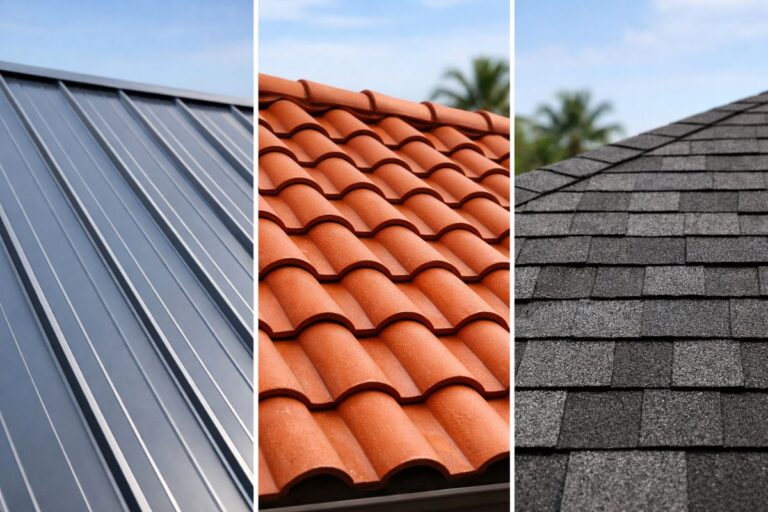
Replacement cost coverage usually pays more because it is based on the cost to repair or replace with similar materials, subject to policy terms. But the catch is that the policy language still matters, and older roofs can face more limits. If you are comparing future roof options after a claim, it helps to understand which roofing materials make sense in Florida weather.
Deductibles, including hurricane deductibles
Your deductible is the amount you pay out of pocket before insurance starts paying. A standard deductible might apply to everyday losses. A hurricane deductible often works differently and is usually higher, often based on a percentage of your dwelling coverage.
That catches plenty of homeowners off guard. After a major storm, a roof claim may be covered, but the deductible can still be large enough to change the math.
Partial repairs vs. full roof replacement
Insurance does not automatically owe a full roof replacement just because part of the roof was damaged. If the insurer decides only one slope or one section was affected, the payout may be limited to that area.
This is where matching becomes a headache. A patch can stand out badly, especially on older shingle or tile roofs. It can feel like replacing one tile in the middle of a checkerboard. If you are stuck weighing patching against a larger project, this guide on repairing versus replacing a damaged roof lays out the tradeoffs clearly.
Why older roofs are harder to insure in florida
Yes, older roofs are harder to insure in Florida. That is the reality.
Roof age limits and insurer scrutiny
Many insurers look closely at roof age, especially with older asphalt shingle roofs. Age can affect whether you qualify for a new policy, whether your current policy renews, whether an inspection is required, and how a future claim is reviewed.
Age alone does not automatically cancel coverage. But once a roof gets older, it often gets more questions.
The condition of the roof matters as much as the birthday
A roof’s actual condition matters just as much as the year it was installed. Visible granule loss, lifted shingles, soft decking, damaged flashing, exposed fasteners, and repeated repairs all stand out.
That is why two roofs built in the same year can be treated very differently. One may still be serviceable. The other may already be at the edge.
Why an estimate or inspection can help before a claim
A current roof estimate or inspection can help you separate storm-related damage from old wear, or show that both are present. That matters if you are trying to decide whether filing a claim makes sense at all.
After a rough summer storm in Apopka or a windy afternoon in Ocoee, a local inspection gives you something more useful than guesswork. If the roof is already showing wear, it also helps to know the warning signs that replacement may be getting close.
What to do if you notice roof damage
The first hour matters. Not because you need to panic, but because clean documentation makes everything easier later.
Take photos and prevent more damage if you safely can
Take clear photos of missing shingles, fallen branches, water stains, wet insulation, and anything else you can see from the ground or inside the home. If safe temporary protection is possible, such as a tarp placed without climbing onto a dangerous roof, that can help prevent more damage.
Do not create a bigger problem by trying to play roofer during a storm.
Read the roof section of your policy before you file
Check your declarations page, deductible, settlement terms, and any endorsements. An endorsement is just an added policy change that expands or limits coverage.
You are looking for the details that shape the claim: replacement cost or actual cash value, hurricane deductible, exclusions, and any roof-specific wording.
Get a roof inspection or estimate from a local contractor
A local inspection helps sort out what looks storm-related, what looks old, and what likely needs immediate attention. That can save you from filing a weak claim on an aging roof, or from ignoring valid damage after a storm.
If a leak already started, this practical guide on what to do right after water starts getting in is worth reading before the stain gets bigger.
Common questions florida homeowners ask about roof coverage
These are the questions that come up over and over, especially with older roofs.
Will insurance cover a 15-, 20-, or 25-year-old roof?
Possibly, yes. Age affects insurability and payout, but age alone does not automatically end coverage. The roof’s condition, the cause of damage, and the kind of policy you have all matter.
An older roof in solid condition can still have a covered storm claim. An older roof in poor condition may run into exclusions, reduced value, or tougher claim review.
Can you get dropped for an old roof?
Yes, non-renewal can happen. An insurer may inspect the roof, ask for repairs, or require full replacement before continuing coverage.
This usually comes down to risk. If the roof looks close to failure, the insurer may decide it no longer fits underwriting standards.
Does a roof leak mean you have a covered claim?
No. A leak is a symptom, not the cause.
If the leak came from a covered event like wind damage, there may be coverage. If it came from age, wear, or long-term maintenance problems, there usually is not.
Should you repair the roof before calling insurance?
Take emergency steps to prevent more damage, yes. Make permanent repairs before the cause is documented, no.
Good photos and a prompt inspection matter. Once damaged materials are removed too soon, proving what happened gets harder.
How to make roof coverage less stressful going forward
Roof coverage gets a lot less stressful when you stop treating the roof like a mystery and start treating it like a record you keep current.
Keep records of maintenance and past repairs
Save invoices, inspection notes, and dated photos. If a future claim turns into an argument over old damage versus new damage, that paper trail can help a lot.
Even simple phone photos from last season can make a difference.
Fix small visible issues before the next storm season
Loose shingles, flashing issues, popped nails, and minor leaks do not stay minor for long in Central Florida. Small roof problems get expensive fast in Central Florida storms.
Waiting rarely saves money. Usually it just gives water more time to travel.
Try one simple next step: book a roof checkup
If your roof is older or already showing wear, book an inspection or estimate before the next big downpour hits Orlando. That is the easiest way to find out where you stand, what is storm-related, and what is just age catching up.
Frequently asked questions
Does florida roof insurance cover a full replacement after storm damage?
Sometimes, but not automatically. If the damage is covered and severe enough, your policy may pay toward replacement. If the insurer decides only part of the roof was damaged, the payout may be limited to a repair.
What if your insurer says the damage was old?
That usually means the insurer believes the roof had pre-existing wear, neglect, or earlier damage before the storm. Photos, maintenance records, and a current inspection can help show what was already there and what changed after the event.
Can interior ceiling stains be covered under the same claim?
Yes, if the ceiling stain came from water entering through roof damage caused by a covered event. If the stain came from a long-term leak or maintenance issue, coverage is much less likely.
Is hail damage always obvious from the ground?
No. Some hail or wind damage is subtle and easy to miss, especially on older shingles. A roof can have bruising, lifted tabs, or damaged seal strips without a dramatic hole or pile of shingles in the yard.
Should you file a claim for every roof problem after a storm?
No. Filing makes more sense when there is a clear covered event and damage that likely exceeds your deductible. If the issue looks more like wear and tear, an inspection first is usually the smarter move.
Ready to protect your home? Get in touch with the Hi Low Roofing team for your free estimate. https://hilowroofing.com/free-estimate/