
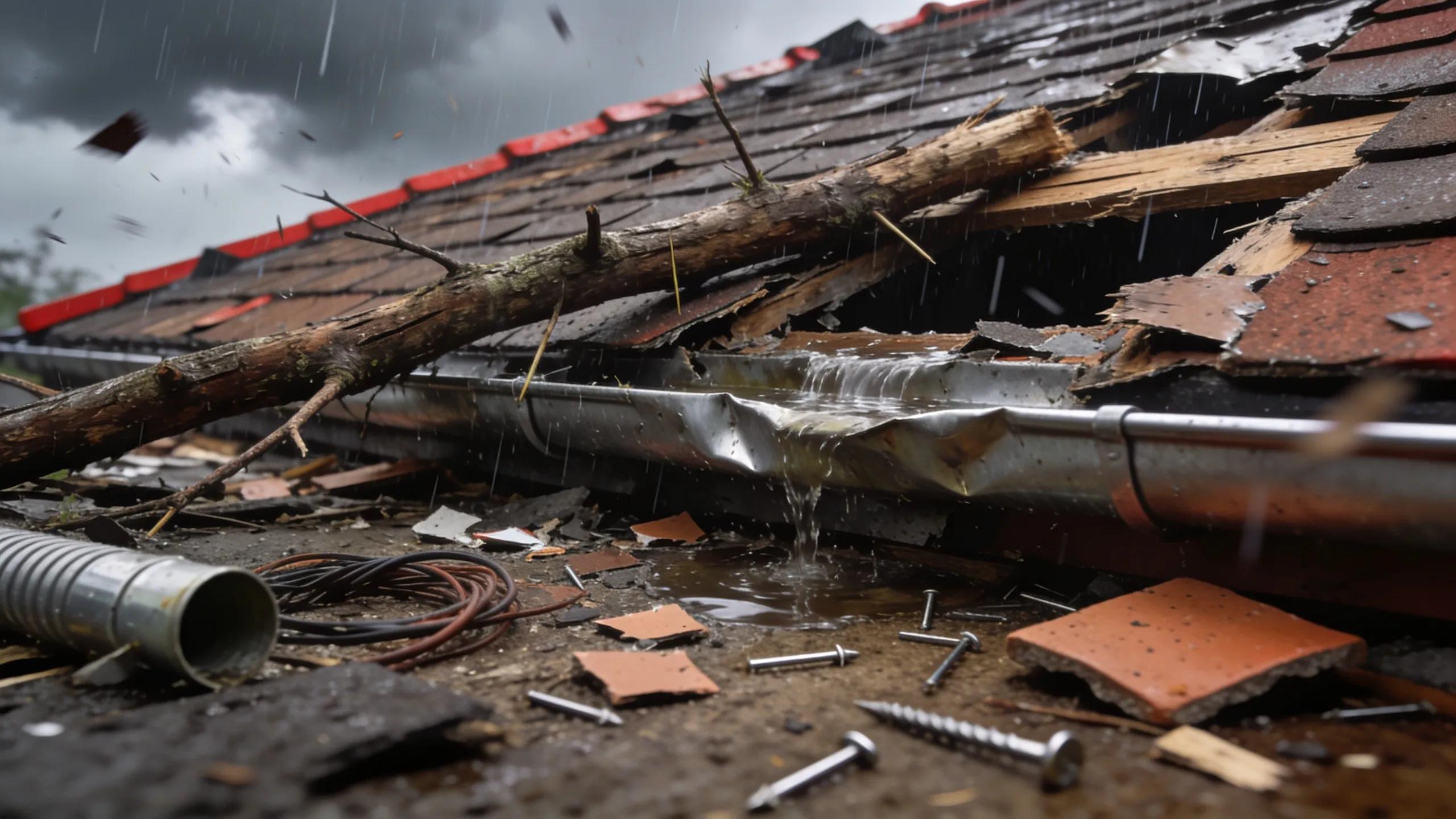
Understanding Storm Damage Repair Costs: Key Factors That Impact Your Roofing Expenses
By Ben Benkiran, Hi Low Roofing and Solar
Storm damage to roofs can produce significant repair bills that often surprise homeowners. Knowing the cost drivers helps property owners plan finances and make informed repair decisions. As weather patterns shift, understanding repair nuances reduces the risk of unexpected expenses. This article explains the main cost drivers, the effect of damage severity, material differences, insurance considerations, and how solar installations may interact with repairs.
Key Takeaways
- Storm damage repair costs depend on damage severity, roofing materials, labor rates, and local market conditions.
- Minor roof damage incurs lower costs, while major damage may require extensive repairs or full replacement.
- Asphalt shingles, metal roofs, and tile roofs have varying repair costs and common damage issues.
- Professional inspections assess damage extent, material needs, and labor for accurate repair cost estimates.
- Comprehensive roof inspections include exterior and interior assessments with detailed documentation of findings.
- Homeowners insurance often covers storm damage from wind, hail, and fallen trees, subject to policy limits.
- Filing insurance claims requires damage documentation, professional inspections, and proper submission for approval.
- Combining solar panel installation with roof repairs can reduce costs and enhance long-term energy savings.
- Solar panels installed post-repair can lower utility bills and increase property value through energy efficiency.
What Are the Primary Factors Influencing Storm Damage Roof Repair Costs?
Repair costs vary with the extent of damage, the roofing material selected and local labor rates. Preventive maintenance and timely inspections can lower expenses by catching minor issues before they escalate. Homeowners facing storm recovery should understand these variables to budget for necessary repairs.
For a precise assessment, Hi Low Roofing & Solar offers free inspections to evaluate storm damage and help homeowners estimate repair scope and costs.
How Does Damage Severity Impact Roofing Repair Expenses?
Damage severity has a direct impact on repair costs. Minor issues like small leaks or loose shingles require limited repairs and lower costs. Moderate problems, such as blown-off shingles or minor structural issues, require more materials and contractor time and raise expenses. Major damage—widespread leaks or structural failure—often leads to extensive repairs or full roof replacement.
To clarify potential expenses, Hi Low Roofing & Solar provides free inspections and written quotes so property owners can understand likely costs for different damage levels.
Which Roofing Materials Affect the Cost of Storm Damage Repairs?

Roofing material is a primary factor in repair cost variation. The table below compares common options and their typical issues.
Each material brings distinct repair needs and cost implications. Homeowners should balance initial material cost against durability and maintenance requirements when selecting roofing materials.
How Is a Storm Damage Roof Repair Cost Estimate Calculated?
Estimates combine inspection findings, material pricing and labour charges. A typical assessment considers:
- Extent of Damage: Degree of damage determined during inspection.
- Material Costs: Pricing for replacement materials needed for repairs.
- Labor Costs: Local labor rates for roofing contractors.
Professional inspections are essential for accurate estimates; arrange an expert evaluation early in the process to avoid surprises.
What Is Included in a Professional Storm Damage Roof Inspection?
A full storm damage inspection covers exterior and interior checks plus documented findings. Key elements include:
- Exterior Assessment: Examining shingles, flashings, and gutters for visible damage.
- Interior Inspection: Checking for signs of leaks on ceilings and walls.
- Documentation: Detailed reports outlining the findings and necessary repairs.
Thorough inspections document all damage and provide clear guidance on the repairs required and their likely costs.
How Do Labor and Local Market Rates Influence Repair Estimates?
Labor and local market rates materially affect overall repair estimates. Costs vary with job complexity and regional wage levels, and local competition can influence pricing. Homeowners should obtain multiple quotes to compare fair market pricing.
Understanding these factors helps homeowners select contractors and manage repair budgets more effectively.
What Role Does Insurance Play in Covering Storm Damage Roof Repairs?
Insurance can offset the financial impact of storm damage. Homeowners policies commonly cover damage from hail, wind and fallen trees, subject to policy limits and specific exclusions. Review your policy details to confirm coverage.
How Does the Roof Damage Insurance Claim Process Work?

Filing an insurance claim for roof damage requires several steps:
- Documentation: Homeowners need to gather evidence, including photographs of the damage.
- Professional Inspections: Engaging a roofing contractor to assess the damage is vital.
- Claim Submission: Submitting the claim with all necessary documentation is critical for approval.
Submitting clear documentation and following insurer procedures improves the chance of approval and reduces financial strain.
What Roofing Damage Types Are Typically Covered by Insurance?
Insurance commonly covers several storm-related damage types, including:
- Wind Damage: Caused by strong gusts, which may dislodge shingles or tiles.
- Hail Damage: Resulting in immediate and visible harm to roofing materials.
- Falling Trees: Damage from tree falls may lead to considerable structural issues.
Knowing which damage types are covered helps homeowners plan repairs and manage the claims process more effectively.
How Can Solar Panel Installation Affect Post-Storm Roofing Costs and Savings?
Combining solar installation with roof repairs can lower upfront expenses and support longer‑term energy savings. Bundling these projects may reduce labour costs while addressing storm-related damage, and installed panels can decrease utility bills over time.
When Is It Beneficial to Combine Solar Installation with Roof Repairs?
It is beneficial to combine solar installation with roof repairs when considering factors such as:
- Timing Considerations: Scheduling roof repairs alongside installation maximizes efficiency.
- Cost Efficiency: Bundling services can lead to reduced labor costs.
- Future-Proofing: This approach prepares properties for increased energy demands while ensuring their roofing systems remain intact.
What Cost Savings Can Solar Panels Provide After Roof Storm Damage?
After storm damage repairs, solar panels can provide:
- Reduced Utility Costs: Generating energy on-site can lower monthly bills.
- Long-Term ROI: Increased property value through energy efficiency adds financial benefit.
- Incentives: Potential state and federal rebates for solar installation can further offset costs.
Understanding these connections lets homeowners make choices that improve the financial outcome of repairs and solar integration.
Conclusion
A clear understanding of storm repair costs enables homeowners to protect their property and budget wisely. Recognise damage severity, material impacts and insurance coverage, and arrange professional inspections to optimise repair spending. Learn more about improving your roofing solutions.
