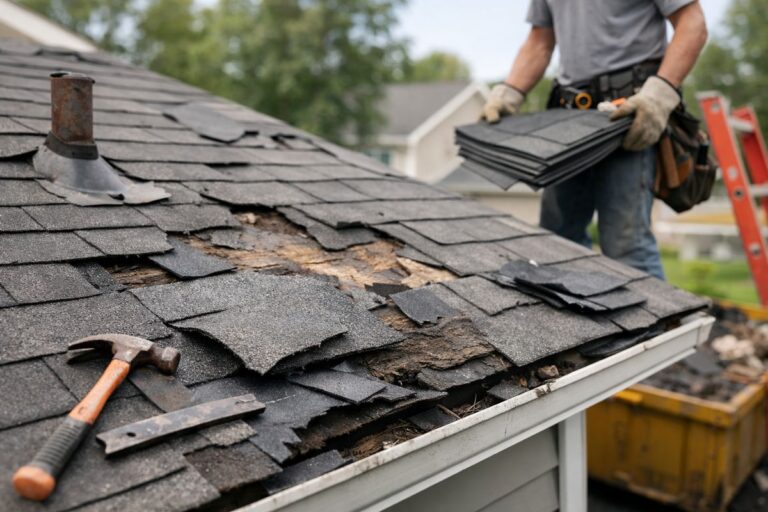
Typing “roof repair near me” usually happens right after a bad moment: a ceiling stain after one hard Orlando rain, a shingle in the driveway, or that sinking feeling when your roof just looks tired. The trick is simple: local only helps if the contractor can tell you what you actually need, and ask the right questions before you let anyone climb up there.
Start with the right question: is this really a repair job?
Not every roof problem is really a repair job. Sometimes a leak comes from one failed boot around a vent. Sometimes the visible leak is just the symptom, and the real issue is aging shingles, worn flashing, or soft decking underneath.
That matters even more on older homes in Winter Garden, Ocoee, Apopka, and Orlando, where heat, storms, and age tend to pile on at the same time. If your roof is already showing wear, start by asking for a diagnosis, not a price.
Ask for a real inspection, not a fast guess
A quick patch can stop water for now, but it does not tell you why the problem started. On roofs that are 20 years old or older, that shortcut often leads to another leak a few months later. If you are already noticing curled shingles or water spots, it helps to review a few common warning signs up top before the estimate even happens.
What exactly is damaged, and what caused it?
Ask what is failing and what caused it. You want specifics: shingles, flashing, underlayment, decking, leak points, storm damage, or soft spots. Flashing is the metal material that seals roof edges, chimneys, valleys, and other joints. Underlayment is the water-shedding layer beneath the shingles. Decking is the wood base under the whole roof.
If the answer stays vague, pause. “You need some repairs” is not a diagnosis.
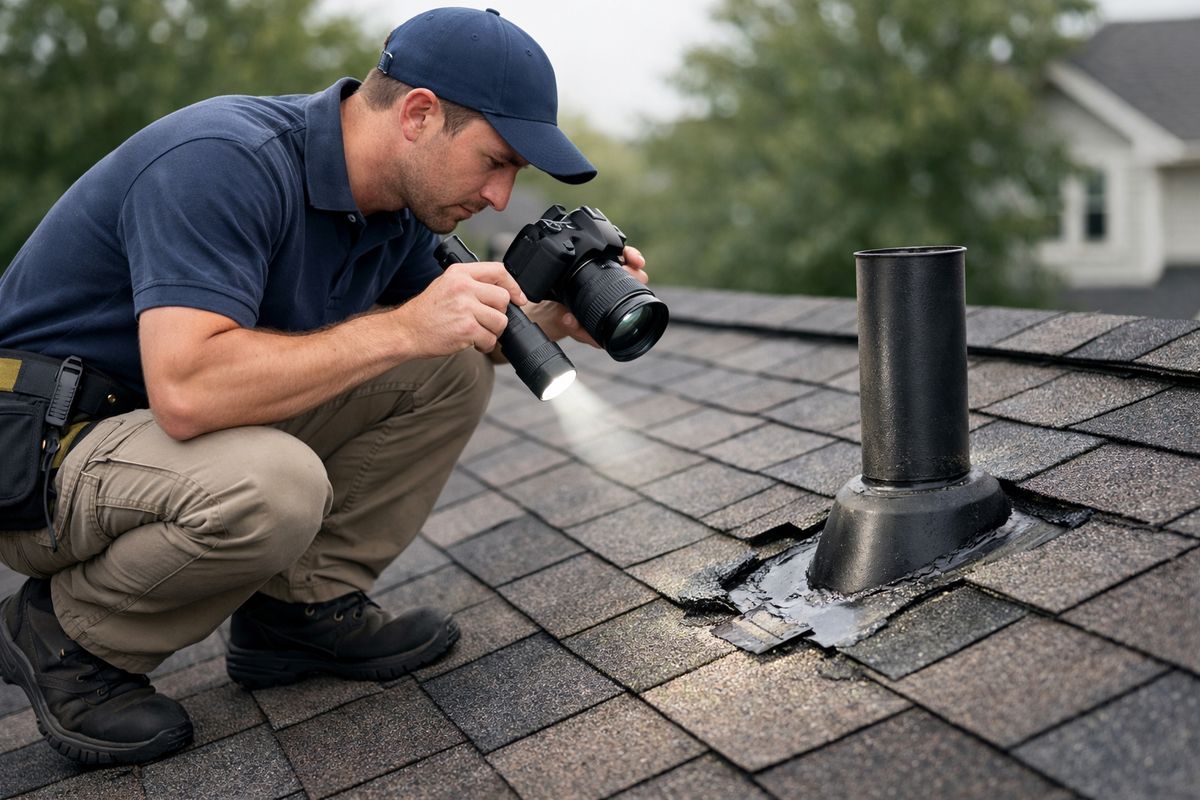
Can you show me photos and explain the problem in plain english?
Ask for photos from the roof and a simple explanation of what you are seeing. A good contractor should be able to point to the issue and explain it without drowning you in jargon.
Here’s the thing: if someone cannot clearly show the damage, trust gets shaky fast. Roof problems are hidden enough already. You should not have to guess what you are paying to fix.
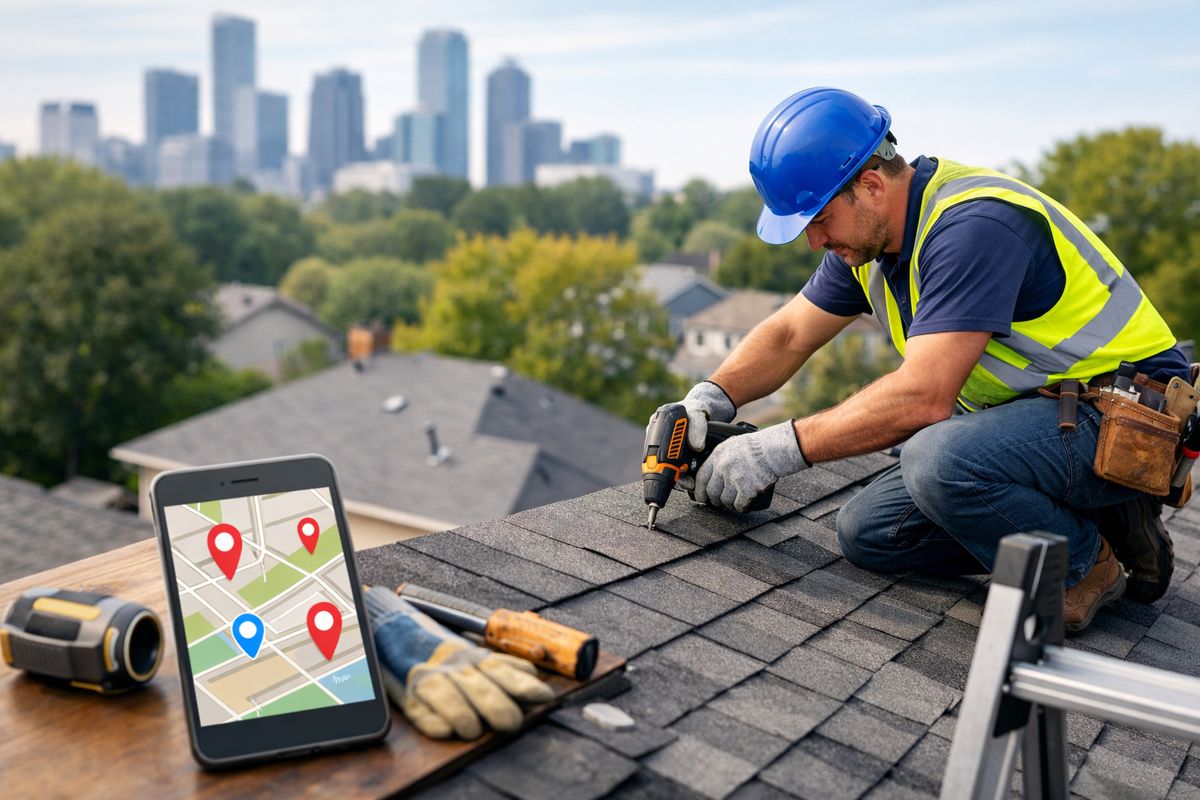
Ask the questions that protect you before any work starts
Roof repair is not just about getting the leak stopped. It is also about avoiding a bigger mess, a liability problem, or work that has to be redone.
Are you licensed and insured for roof repair in florida?
Ask for proof of licensing and insurance, including liability coverage and worker protection. In Central Florida, that is not paperwork for paperwork’s sake. Storm exposure, code rules, and steep repair costs make it a basic safety check for your home and your wallet.
Who pulls permits if the job needs one?
Not every repair needs a permit, but you should still ask. If a permit is required, the contractor should handle it and explain why. That answer tells you a lot about whether the job will follow code or get done the cheap-and-risky way.
Have you handled roofs like mine before?
Experience should sound specific. Asphalt shingles still dominate residential roofing because they are widely used and familiar to contractors, with asphalt shingles holding 29.4% of the product segment in 2026. But familiarity is not enough if your roof is older, has low-slope sections, or has already been repaired once or twice. Ask about roofs with similar age, material, and storm wear.
Get clear on repair vs. replacement before you spend a dollar
A good contractor should help you make the right call, not automatically push the bigger invoice. Patching a worn-out roof is like taping a cracked garden hose: it buys time, not peace of mind.
Is this fix likely to last, or am I buying a short-term patch?
Ask how long the repair is expected to hold, and whether that lines up with the remaining life of the roof. Temporary repairs can make sense after a storm or when you need time to budget. But if the roof is near the end, repeated patching gets expensive fast.
If the answers feel muddy, compare them with a clearer breakdown of when a repair stops making financial sense.
If replacement is closer than repair, what are my options?
Roofs installed 20 to 25 years ago are hitting replacement age in large numbers, according to roofing market analysis on aging roof cycles. If your roof is in that range and wear is widespread, replacement belongs in the conversation.
Ask about asphalt shingles, and if relevant, metal or energy-focused upgrades. If you are curious about longer-term durability in Florida heat and storms, it helps to read about how metal stacks up in this climate.
Talk through the estimate line by line
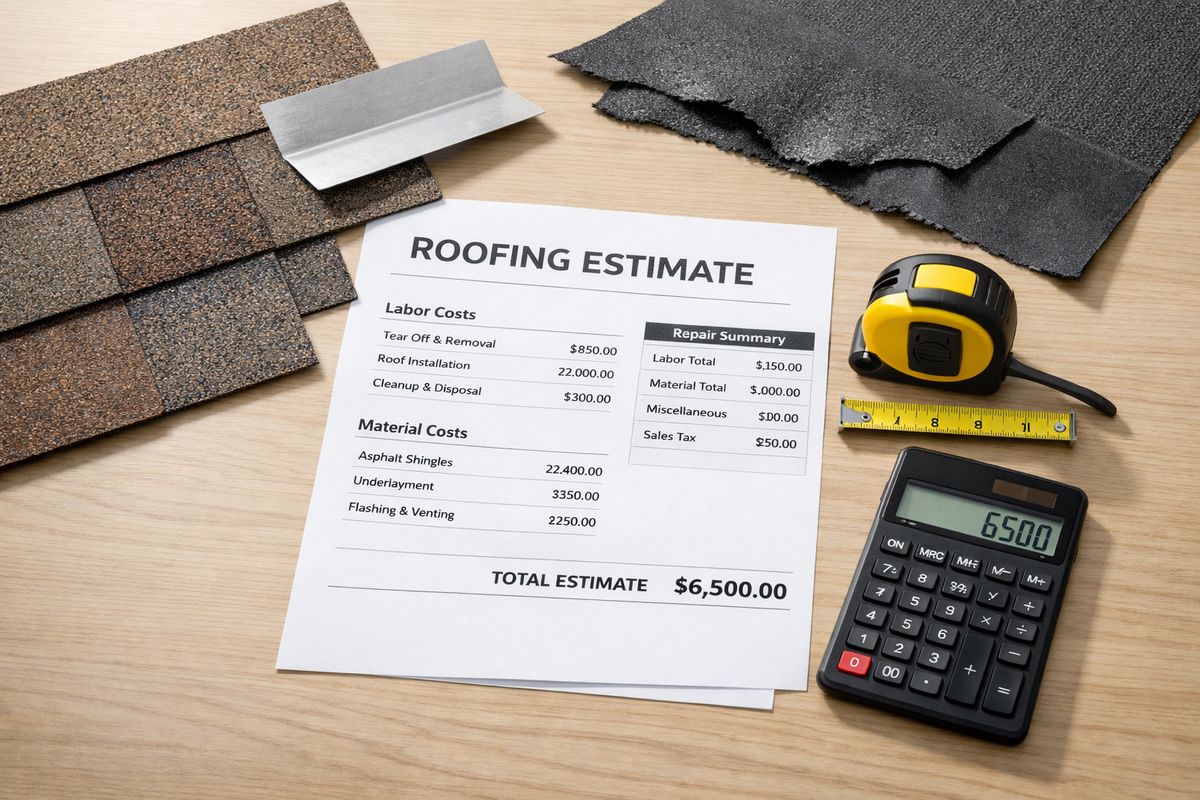
A roofing estimate should not feel like a mystery receipt. If you cannot follow it, slow the process down.
What is included in the price?
Get clear on labor, materials, tear-off, disposal, flashing work, decking repairs, and cleanup. The cheapest estimate often leaves out the boring parts that actually stop the leak.
What could raise the cost once work begins?
Ask what hidden damage could change the total. Rotten decking, trapped moisture, water intrusion, and code-related upgrades are common reasons. Skilled labor shortages and material volatility are also affecting roofing timelines and pricing, which means vague estimates can get expensive later.
How soon can the work start, and how long will it take?
Ask for a realistic start date and a realistic duration. Same-day emergency service sounds great, but it does not always mean full completion that day. Weather delays, crew availability, and material lead times all matter.
Don’t Skip warranty, insurance, and storm questions
Storm-related roof work is rising across the Southeast, which makes documentation and code compliance more than nice extras.
What warranty comes with the repair work?
Ask for both types of warranty in writing. A workmanship warranty covers the installation. A material warranty covers the product itself. Those are not the same thing.
Can you help if this damage involves an insurance claim?
A helpful contractor can document damage, provide photos, and describe the repair scope clearly. That support matters if your leak followed wind or storm activity, but it should stay practical and honest.
Will this repair meet current code and help prevent future trouble?
Ask whether the repair will meet current code and whether ventilation, water barriers, or related upgrades should be addressed at the same time. If replacement starts entering the picture, it also helps to understand what really drives the final roof bill.
Watch for red flags before you say yes
Bad hires usually wave a flag before the work starts.
Pressure tactics, vague answers, and cash-only deals
Be careful with rush-to-sign behavior, no written estimate, no proof of insurance, cash-only demands, or refusal to explain the work. If the conversation feels slippery now, it will not get better once the crew is on your roof.
One estimate isn’t enough if the answers don’t match
One estimate can be enough if the diagnosis is clear and detailed. But if one contractor says minor repair and another says full replacement, get another inspection. Consistent findings matter at least as much as price.
Use this simple hiring checklist before you book
Before you say yes, make sure you can answer these basics: what is damaged, what caused it, whether repair or replacement makes more sense, who handles permits, what the estimate includes, what could raise the cost, how long the fix should last, and what warranty comes with it.
Try one simple thing before agreeing to anything: ask for roof photos and a plain-English explanation of the problem. That one step filters out a lot of bad hires fast.
Frequently asked questions
How many roof repair estimates should you get?
Two or three is usually enough. The goal is not to collect the most prices. It is to see whether the diagnosis stays consistent.
Can a roof leak be repaired without replacing the whole roof?
Yes, if the damage is isolated and the rest of the roof still has useful life left. A small leak does not automatically mean full replacement.
How do you know if a roof is too old to repair?
If the roof is around 20 to 25 years old, has widespread wear, or keeps leaking in new spots, repair may only be a short-term patch.
Should you call insurance before getting a roof inspection?
If storm damage is possible, get the roof documented quickly. A contractor can provide photos and details, which helps you understand whether an insurance claim even makes sense.
What should a roof repair estimate include?
It should spell out labor, materials, tear-off if needed, disposal, flashing work, possible decking repairs, cleanup, and warranty details.
Ready to protect your home? Get in touch with the Hi Low Roofing team for your free estimate. https://hilowroofing.com/free-estimate/