
Affordable Roofing Materials That Cut Energy Bills: Expert Guide to Energy Efficient Options
In the quest for sustainable living, homeowners are increasingly seeking affordable roofing materials that not only enhance the aesthetic appeal of their homes but also significantly reduce energy bills. This guide delves into various energy-efficient roofing options, exploring their mechanisms, benefits, and how they can lead to substantial savings over time. With rising energy costs, the need for effective solutions has never been more pressing. By understanding the different types of roofing materials available, homeowners can make informed decisions that align with their financial and environmental goals. This article will cover energy-efficient roofing materials, local incentives available in Central Florida, and maintenance practices to ensure maximum energy savings.
Which Energy Efficient Roofing Materials Offer the Best Savings?
Energy-efficient roofing materials are designed to reflect more sunlight and absorb less heat than standard roofing materials. This characteristic can lead to significant reductions in energy costs, particularly in warmer climates. Homeowners can choose from a variety of materials, each offering unique benefits and potential savings. For more information on affordable roofing options, visit “HiLow Roofing”.
The fundamental principle of using reflective coatings for thermal performance has been a subject of extensive study.
Solar Reflectance & Thermal Performance of Cool Roofs
While the emphasis of this paper is on cool roofing materials, it is important to keep in mind that the general idea of white or solar reflective coatings has been explored for their thermal performance.
Preliminary survey of the solar reflectance of cool roofing materials, 1997
These materials not only contribute to lower energy bills but also enhance the overall comfort of the home.
How Do Cool Roofing Materials Reduce Energy Costs?
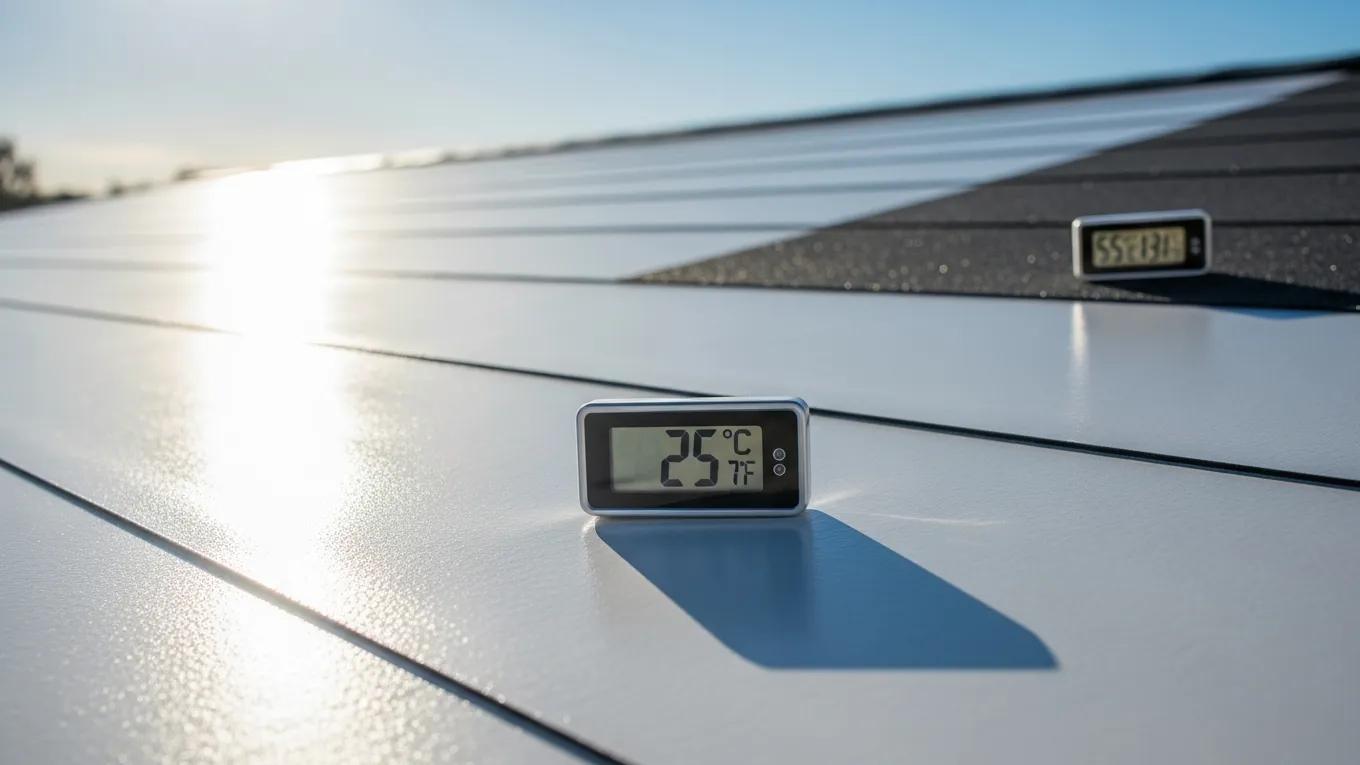
Cool roofing materials are specifically designed to reflect more sunlight and absorb less heat than traditional roofing materials. By utilizing high solar reflectance and thermal emittance, these roofs can significantly lower indoor temperatures, reducing the need for air conditioning. This results in lower energy consumption and, consequently, reduced energy bills. For instance, a cool roof can lower roof surface temperatures by up to 50 6F compared to conventional roofs, leading to energy savings of up to 20% on cooling costs.
Research consistently highlights the effectiveness of cool roofs in improving building energy performance during warmer months.
Cool Roofs: Optimizing Solar Reflectance for Energy Savings
Cool roofs have been widely proved to represent an effective solution for building energy-performance improvement during the cooling season, thanks to their high solar reflectance.
Optimization of roof solar reflectance under different climate conditions, occupancy, building configuration and energy systems, M Saffari, 2017
What Are the Benefits of Insulated Roofing Panels?
Insulated roofing panels offer a dual benefit of structural support and energy efficiency. These panels are designed with a core of insulating material sandwiched between two layers of structural board, providing excellent thermal resistance. Homeowners can expect to see a reduction in heating and cooling costs by as much as 20-30% when using insulated panels. Additionally, their durability and longevity make them a cost-effective choice in the long run, as they require less maintenance and replacement.
How Does Solar Reflective Roofing Integrate with Affordable Materials?
Solar reflective roofing integrates seamlessly with various affordable materials, enhancing their energy efficiency. These roofs are coated with reflective materials that help to deflect sunlight, thereby reducing heat absorption. This integration not only improves the energy efficiency of the roofing system but also contributes to the longevity of the roofing materials by minimizing thermal expansion and contraction. Homeowners can enjoy long-term savings on energy bills while maintaining the aesthetic appeal of their homes.
Understanding the sustained effectiveness of these materials is crucial, as studies have evaluated their long-term solar reflectance.
Long-Term Solar Reflectance of Cool Roofs
This study presents the long term solar reflectance performance of commonly used roof coverings, including cool roof and conventional roof coverings, measured in laboratory and in field.
Assessment of long term solar reflectance performance of roof coverings measured in laboratory and in field, S Kültür, 2012
What Are the Advantages of Combining Solar Panels with Energy Efficient Roofs?
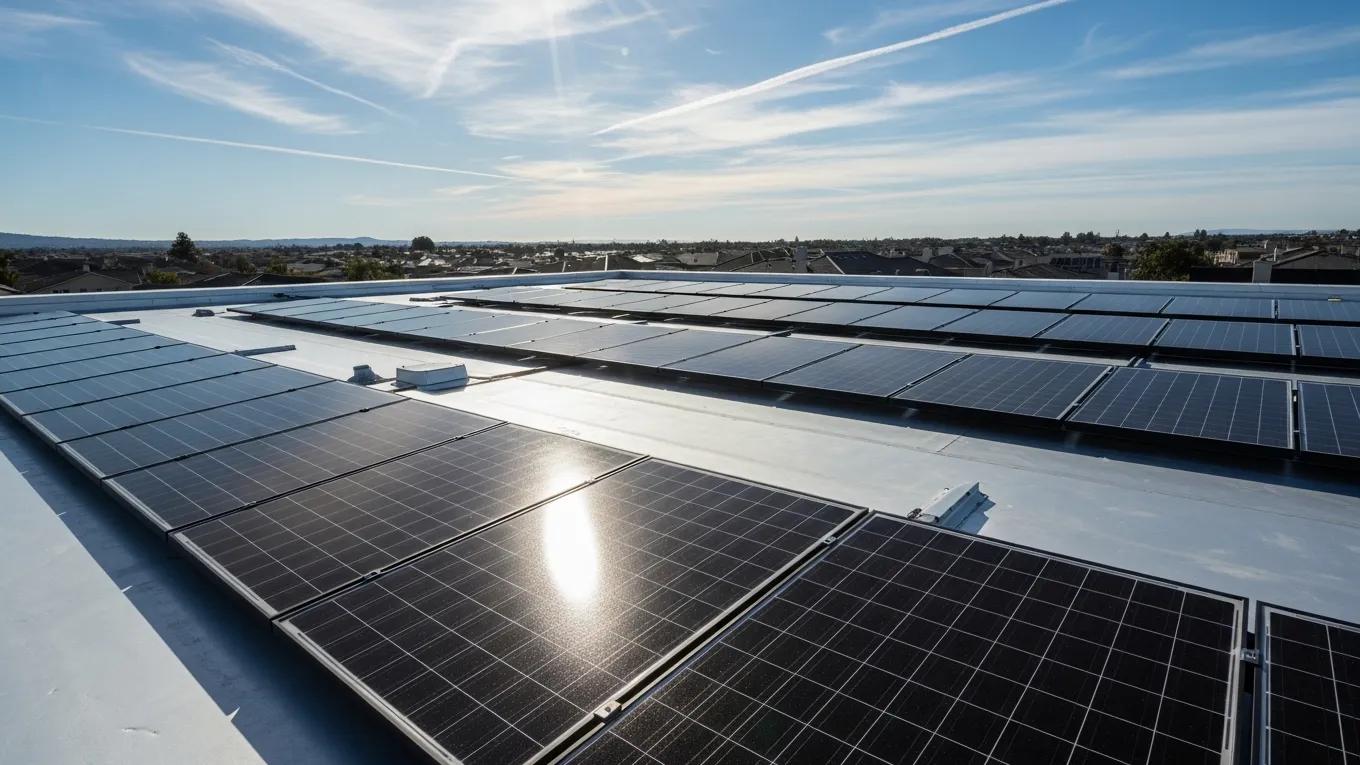
Combining solar panels with energy-efficient roofs offers numerous advantages. This integration allows homeowners to harness renewable energy while maximizing the efficiency of their roofing system. The synergy between solar panels and energy-efficient roofs can lead to energy independence, increased property value, and long-term financial benefits. Homeowners can significantly reduce their reliance on grid electricity, resulting in lower energy bills and a reduced carbon footprint.
How Does Solar Roofing Impact Long-Term Energy Bills?
Solar roofing can have a profound impact on long-term energy bills. By generating electricity from sunlight, homeowners can offset their energy consumption, leading to substantial savings over time. The initial investment in solar roofing can be recouped through energy savings, tax incentives, and potential rebates. Additionally, solar roofing systems often come with warranties that ensure their performance for decades, providing peace of mind and financial security.
What Local Incentives Support Energy Saving Roofing in Central Florida?
In Central Florida, various local incentives are available to support homeowners in their pursuit of energy-efficient roofing solutions. These incentives can significantly reduce installation costs and encourage the adoption of sustainable practices.
Which State Rebates and Programs Reduce Installation Costs?
Homeowners in Florida can take advantage of several state-specific rebates and programs designed to promote energy efficiency. These include:
- Property Tax Exemptions: Homeowners can receive tax exemptions for solar energy systems, reducing the overall cost of installation.
- Federal Solar Tax Credit: This program allows homeowners to deduct a percentage of the cost of installing a solar energy system from their federal taxes.
- Local Utility Rebates: Many utility companies offer rebates for energy-efficient upgrades, including roofing materials that meet specific energy efficiency standards.
How Do Local Climate Conditions Affect Roofing Material Choices?
The local climate in Central Florida plays a crucial role in determining the most suitable roofing materials. Homeowners must consider factors such as humidity, heat, and storm frequency when selecting roofing options. Materials that offer high solar reflectance and durability against extreme weather conditions are essential for ensuring long-term performance. For instance, cool roofs and insulated panels are particularly effective in this climate, providing both energy efficiency and resilience.
How Can Homeowners Maintain Roofing Materials for Maximum Energy Savings?
Proper maintenance of roofing materials is essential for maximizing energy savings and extending the lifespan of the roof. Homeowners should adopt regular maintenance practices to ensure their roofing systems remain efficient and effective.
What Maintenance Practices Extend Roof Efficiency and Lifespan?
To maintain the efficiency and longevity of roofing materials, homeowners should consider the following practices:
- Regular Inspections: Conducting routine inspections can help identify potential issues before they escalate, ensuring the roof remains in optimal condition.
- Cleaning Debris: Removing leaves, branches, and other debris from the roof can prevent water pooling and damage, enhancing the roof’s performance.
- Prompt Repairs: Addressing any signs of wear and tear immediately can prevent further damage and maintain the roof’s energy efficiency.
When Should Energy Efficient Roofing Materials Be Replaced?
Energy-efficient roofing materials should be replaced when they show significant signs of damage or wear. Homeowners should monitor for indicators such as:
- Visible Damage: Cracks, missing shingles, or significant wear can compromise the roof’s effectiveness.
- Increased Energy Bills: A sudden spike in energy costs may indicate that the roofing materials are no longer performing efficiently.
- Age of Materials: Most roofing materials have a lifespan of 20-30 years; if the roof is approaching this age, it may be time to consider replacement.
For expert advice and affordable roofing solutions, HiLow Roofing offers comprehensive services tailored to energy-efficient roofing needs.
