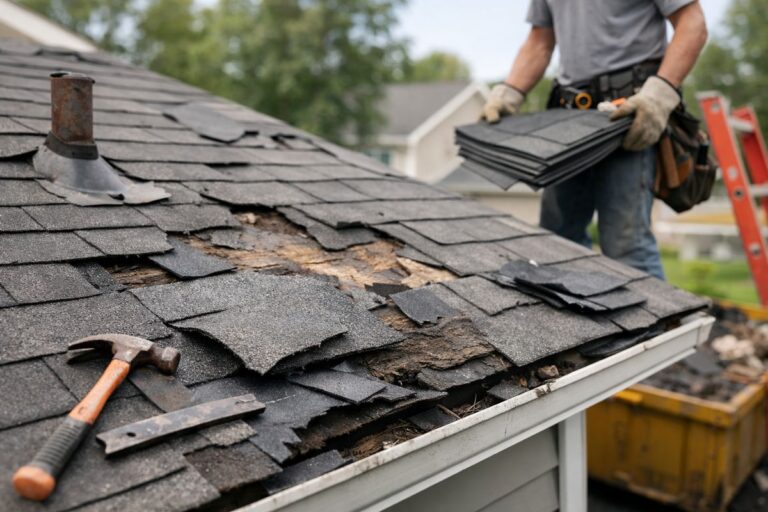
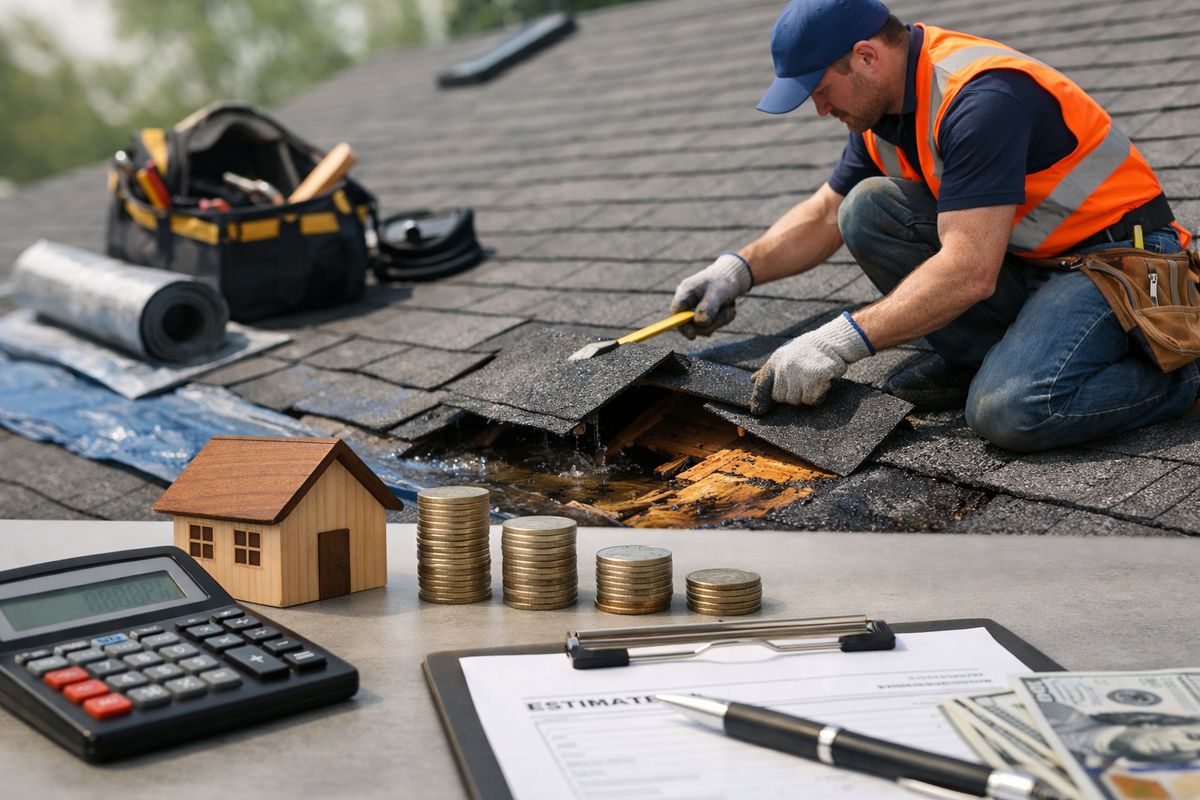
A roof leak almost never shows up at a convenient time, and the hardest part is often not the drip, it’s the not knowing what the fix is going to cost. If you’re trying to get a realistic handle on roof leak repair cost for an older home in Winter Garden, Ocoee, Apopka, or Orlando, here’s the thing: the stain on your ceiling is only the start of the story.
What a roof leak repair usually costs
For most homes, roof leak repair cost can range from a few hundred dollars for a small, contained fix to a few thousand for a repair that opens up wet wood, failed flashing, or a larger damaged section. That’s a wide range, yes, but it reflects real differences in what’s actually wrong up there.
On a worn roof in Central Florida, a “small leak” can be one cracked pipe boot or a few wind-lifted shingles. It can also be a leak that has been slowly working under the surface since the last heavy summer storm. A water spot near the hallway ceiling in an older Orlando home may trace back much higher on the roof slope, which means the repair can be more involved than it first looks.
Typical repair price ranges by job size
A minor patch job often falls around a few hundred dollars, especially when the issue is isolated and easy to reach. Think a handful of damaged shingles, a simple exposed fastener problem, or a small seal failure around a vent.
A moderate repair often lands in the mid-hundreds to low thousands. That usually means replacing a section of shingles, repairing flashing, or fixing a leak around a roof penetration where water has started getting below the surface but has not wrecked a large area.
Bigger fixes climb fast. Once a repair includes rotten decking, underlayment replacement, a tricky valley, chimney work, skylight details, or a partial rebuild of one section, the price can move into the thousands without much drama. Roofing labor is skilled labor, and safe tear-off plus rebuild work takes time.
If you want a broader look at local pricing beyond leaks alone, it helps to compare it with what homeowners around Orlando often pay for roof repairs.
Why one leak can cost far more than another
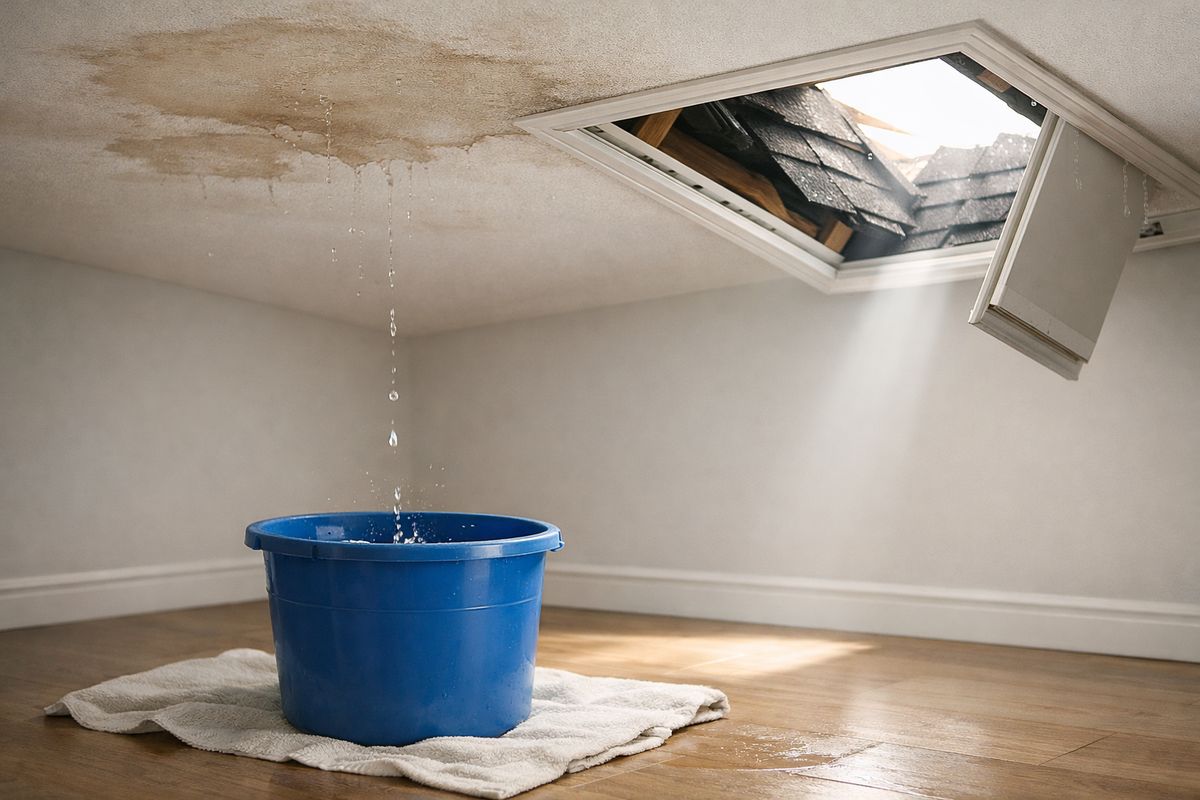
Two homes can both have the same brown ceiling stain and end up with very different estimates. The reason is simple: the stain is the symptom, not the repair plan.
Final pricing changes based on roof material, roof height, slope, and how easy it is to access the damaged area. It also changes based on how long the leak has been active. Water that only got past the top layer is one thing. Water that soaked decking, underlayment, or attic insulation is something else entirely.
That’s why a quote can feel surprisingly high for what looks like a small problem inside. Roofing is a bit like plumbing behind a wall. The visible spot is often smaller than the actual work.
The biggest factors that drive the final price
If you’ve ever looked at two roofing estimates and wondered why one is double the other, this is usually where the answer lives. The biggest price drivers are not random. They come from labor difficulty, material type, and how much hidden damage sits around the leak.
Leak source and repair complexity
Some leaks are straightforward. A missing shingle, a popped nail, or a cracked vent boot can sometimes be found and fixed without opening a big section of roof.
Others are slippery. Water can enter around a chimney, move along framing, and show up inside several feet away. Valleys, skylights, vent stacks, wall transitions, and flashing details are common trouble spots because they interrupt the roof surface and rely on precise sealing.
The trick is finding the true entry point. If a contractor only patches the area closest to the stain, you can end up paying for the same leak twice. That’s one reason diagnosis matters so much, especially after wind and rain. If the leak started after a storm, it helps to know the common warning signs homeowners spot after bad weather.
Roof age, visible wear, and underlying condition
Older roofs usually cost more to repair. Not because anybody is trying to make the bill bigger, but because aged materials break more easily and often don’t give a clean repair area.
Curling shingles, heavy granule loss, soft spots, brittle tabs, repeated past patches, and exposed nail heads all signal a roof system that is tired. On a roof like that, fixing one weak spot may require reinforcing the surrounding area just to make the repair hold.
This hits a lot of homes in established neighborhoods around Winter Garden, Ocoee, Apopka, and Orlando. If your roof has already baked through years of heat, humidity, and storm seasons, the leak repair is rarely just about the leak. Roof age changes the whole equation, which is why it helps to understand how long Florida roofs tend to last in the real world.
Roof material and matching costs
Asphalt shingles are usually the simplest and least expensive material to repair, but even then, matching can be tricky on an older faded roof. New shingles may technically match the product line while still looking obviously newer.
Tile roofs often require more care because individual tiles can crack during removal or be hard to source if the profile is older. Metal roofs need different repair methods, and leak points often involve seams, fasteners, or flashing details rather than missing surface pieces. Flat or low-slope systems also play by different rules, since water tends to sit longer and leaks can spread under the membrane.
Material choice affects both labor and finish quality. If you’re comparing longer-term options after repeated repairs, it helps to look at how Florida roofing materials stack up on cost and performance.
Accessibility, pitch, and job difficulty
A leak on a simple one-story roof is easier and cheaper to fix than one on a steep second-story section over a screened pool enclosure. That part is not glamorous, but it matters.
Steeper roofs require more safety setup and slower movement. Tight landscaping, fences, solar panels, satellite equipment, and limited driveway access all add friction to the job. Even carrying materials becomes harder when the roof is awkward to reach.
None of this means the estimate is padded. It means the repair takes more labor to do safely and correctly. And roofing is not the place to cut corners just because the bad spot is hard to reach.
What kind of repair you may actually need
Roofing estimates can feel vague because the terms sound specific until you realize you don’t actually know what each line item means. A little translation helps.
Shingle repair or replacement
If a few shingles blew off, cracked, or loosened, a targeted shingle repair may be enough. This works best when the surrounding shingles are still in decent shape and can hold a proper seal.
Matching is the catch. Even when a similar shingle is available, sun fading can make the repaired area stand out. On a newer roof, that cosmetic difference is usually minor. On an older roof, the patch can be more obvious, though the real goal is stopping water, not winning a beauty contest.
Flashing, vent, and pipe boot repairs
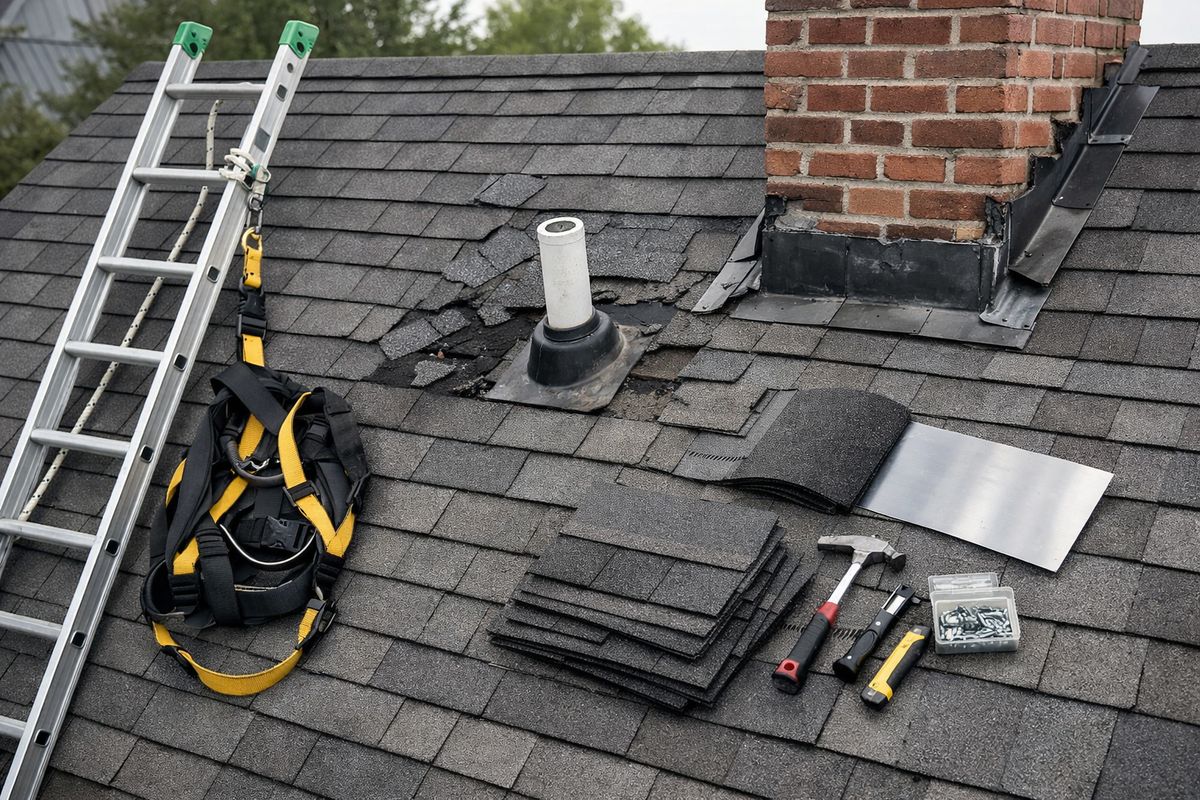
Flashing is the thin metal that seals edges and transitions. It sits around chimneys, walls, valleys, and other joints where water would love to sneak in. Pipe boots are the rubber or metal collars around plumbing vents that stick through the roof.
These parts cause a surprising number of leaks because they age differently than the shingles around them. A cracked boot or lifted flashing edge may be a small component, but it can send water into your attic every time rain blows from the right direction. Small part, outsized problem.
Valley, chimney, and skylight leak repairs
Valleys are the channels where two roof slopes meet, so they naturally handle a lot of water. Chimneys and skylights interrupt the roof field and create multiple seams that need careful flashing and sealing.
These repairs often cost more because they are detail-heavy. The work may involve removing surrounding shingles, replacing metal flashing, resealing transitions, and rebuilding the area so water sheds correctly. It’s less like slapping on a patch and more like taking apart a corner of a puzzle and putting it back together the right way.
Decking, underlayment, and structural repairs
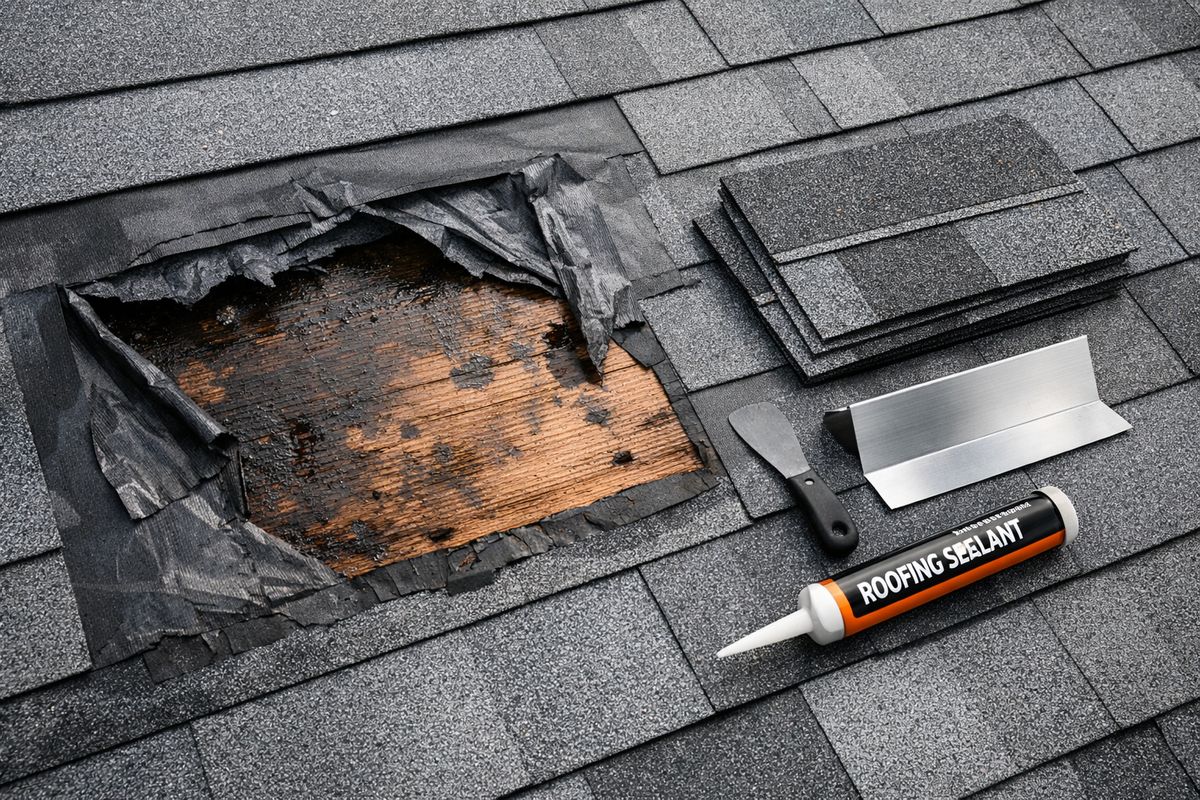
Decking is the wood base under your roofing. Underlayment is the water-shedding layer between the roof covering and that wood base. Once water gets below the visible surface, both can be damaged.
This is where estimates jump. Wet or rotten wood has to be cut out and replaced before new roofing goes on top. If the underlayment is torn, deteriorated, or soaked over a larger area, more of the roof section has to come apart. A leak repair stops being a surface fix and turns into a small rebuild.
Labor, materials, and hidden damage: where estimates start to climb
If you want to make sense of a quote, it helps to know what you’re actually paying for. Most of the number comes down to labor, material availability, and what shows up once the repair starts.
Labor and minimum service charges
Even a small leak repair usually includes a minimum service charge. That can feel annoying until you think about what the job actually involves: travel, diagnosis, ladder setup, safety equipment, roof access, removal of damaged material, repair work, cleanup, and sometimes a return visit if weather interrupts.
So yes, a tiny repair can still come with a real invoice. A roofer is not charging only for the five minutes spent sliding in one shingle. The charge reflects the full process of finding and fixing the problem safely.
Material costs and color or product matching
Materials can be cheap or annoying, and older roofs often make them annoying. Florida sun fades shingles, bakes sealants, and changes the look of tile over time. Even if the exact product still exists, the fresh replacement may not blend very well.
If the product is discontinued, matching takes more time. The repair may require a close alternative, extra blending work, or a larger replacement area to make the patch look less abrupt. If you’re weighing future roofing choices because matching keeps getting harder, it’s worth comparing tile, shingles, and other common options for local homes.
Water damage found after the repair starts
This is where surprises happen. A roof can look fine from above until the damaged section is opened and soft wood shows up underneath.
That’s why some estimates include allowances or notes about possible added cost if rotten decking, wet insulation, or widespread underlayment damage is uncovered. That language is not automatically a red flag. Honestly, it can be a sign that the estimate is being upfront about what cannot be confirmed until the area is opened.
Repair or full replacement: when fixing the leak stops making sense
Sometimes paying for another patch is the expensive choice. That’s the plain truth.
If your roof still has solid life left, a focused repair is smart. But if you’re stacking one leak fix on top of another on an aging roof, you can burn through a lot of money buying short stretches of time.
Signs a repair is still worth it
A repair usually makes sense when the roof is relatively younger, the damage is isolated, and the surrounding materials are still healthy. One clear leak source after a storm, with no broad wear pattern around it, is often a good candidate for repair.
The same goes for a roof with one failed flashing detail or a localized issue around a vent or valley. If the rest of the system is doing its job, there is no reason to jump straight to replacement.
Signs replacement may save you money
Repeated leaks, widespread granule loss, curling shingles, sagging spots, soft decking, and multiple visible patches are all warning signs. So is a roof that leaks in one place this season and another place next season.
That pattern shows up a lot on older Central Florida roofs that have taken years of sun, wind, and pounding afternoon rain. If that sounds familiar, take a look at the signs that a new roof may be closer than you want it to be. A replacement is expensive, but endless patching on a failing roof is rarely a bargain.
How to think about cost per remaining year of roof life
Here’s a simple way to think about it: divide the repair cost by the likely years of useful roof life it buys you.
If a $1,200 repair likely buys five solid years, that may be money well spent. If the same $1,200 buys six months on a roof that is worn out across the board, the math gets ugly fast. This is why the best decision is not always the lowest immediate invoice. It’s the option that makes sense over the time you actually have left with that roof.
Roof leak costs in central florida: what makes this area different
Location changes roofing math. A leak in Central Florida is not the same as a leak in a mild, dry climate.
Heat, heavy rain, and storm exposure
Summer heat cooks shingles and sealants for months at a time. Then a hard 4 p.m. storm rolls through, wind pushes rain sideways, and suddenly the weak spot announces itself.
That leak may feel sudden, but the vulnerable area may have been developing for months. UV exposure dries out sealants. Heavy rain tests every transition. Wind lifts edges just enough for water to get where it shouldn’t. If the issue followed a major weather event, it also helps to understand what storm and hurricane roof damage can look like before it gets worse.
Older neighborhoods and aging roof systems
Established neighborhoods often come with older roof systems, past repairs, and materials that are harder to match. One section may have been patched years ago, another may have newer shingles from a prior wind event, and the wood below may tell a very different story once repairs begin.
That layered history is a big reason estimates on older homes can be less predictable. The roof you see from the driveway is not always the roof you discover once a damaged area is opened.
Insurance, storm claims, and out-of-pocket repairs
Insurance may help when a leak ties back to a covered sudden event, such as storm damage. Insurance usually does not cover wear-and-tear leaks caused by age, deterioration, or deferred maintenance.
That distinction matters because many older-roof leaks are paid out of pocket. If you’re trying to sort out where coverage may or may not apply, it helps to review how Florida policies often treat roof leak claims.
How to compare roof leak repair estimates without getting burned
A low number is not automatically a good deal, and a high number is not automatically inflated. The useful question is simpler: what work is actually included?
What a solid estimate should include
A good estimate should clearly describe the scope of work, the area being repaired, the materials involved, labor, cleanup, and any warranty terms. If wood replacement is possible but not confirmed yet, the estimate should say so.
You also want to see enough detail to understand what gets removed and what gets replaced. “Repair leak” is too vague. “Replace damaged shingles and underlayment at rear valley, install new flashing, reseal vent penetration, and replace up to X sheets of damaged decking if needed” is much more useful.
Questions to ask before you approve the job
Ask what caused the leak, what exactly is being replaced, and whether the repair is expected to match the existing roof closely. Ask what happens if hidden damage is found after the work begins, and how long the fix should reasonably last.
Those questions do two things. They help you understand the estimate, and they reveal how clearly the contractor understands the problem.
Red flags in low bids
Unusually cheap pricing can mean the estimate skips the hard parts, especially flashing, underlayment, or wood replacement. Vague language is another warning sign. So is pressure to sign right away.
Be careful with promises that sound too neat for an older roof. If your roof has visible wear and prior repairs, a bid that claims a permanent fix for a suspiciously tiny price deserves a second look. Cheap patches can be expensive reruns.
Mistakes that make a roof leak more expensive than it needs to be
Most leak costs rise for predictable reasons. A few are weather-related. Some are timing-related. And some come from chasing the wrong fix.
Waiting after the first stain or drip
That small stain near a ceiling corner can stay small for a while, right up until the next hard storm pushes it into a bigger mess. Water spreads into insulation, weakens wood, stains drywall, and can lead to moldy attic conditions.
The sooner a leak is traced, the better the odds that the fix stays focused and affordable. Delay is expensive.
Focusing only on the visible interior spot
The water mark inside is often not directly below the roof problem. Water can run along framing, underlayment, or decking before it shows itself.
The catch is that chasing the stain instead of the entry point leads to repeat repairs. If you clean up the ceiling and patch the obvious area without finding where the water actually gets in, the leak tends to come back like a bad weed.
Choosing a patch when the surrounding roof is failing
A repair in one weak spot may not hold if nearby materials are brittle, loose, or worn out. This is one of the most frustrating ways to spend money on roofing, because the patch itself may be done correctly and still fail to solve the bigger problem.
If the surrounding roof is at the end of its life, treating each leak as a separate event can cost more than stepping back and making the larger decision.
What you can do before asking for estimates
You do not need to become a roofing detective before calling for help. But a little prep makes the estimate process smoother.
Document what you noticed
Take photos of ceiling stains, active drips, attic moisture, or visible missing shingles after a storm. Write down when you first noticed the issue and whether it only happens during heavy rain or with wind-driven rain from a certain direction.
That timeline helps connect the leak to likely failure points. It also helps if an insurance question comes up later.
Check for visible exterior clues from the ground
Walk your property and look up from a safe distance. You may notice missing shingles, lifted flashing, debris piled in a valley, sagging areas, or damage around roof penetrations.
Do not climb onto the roof yourself. A ground-level scan is enough to gather clues without turning a repair estimate into an emergency room visit.
Try one simple next step before the next storm
Book an estimate while the damage is still small and easier to trace. Leak diagnosis gets harder after repeated soaking, and repairs get more expensive once water starts working below the surface.
A quick call before the next round of rain can save you from paying for a roof repair plus drywall, paint, insulation, and woodwork later. Try that one thing now instead of after the next storm reminds you.
Frequently asked questions
What is the average roof leak repair cost for an older home in orlando?
For an older home, a simple leak repair may cost a few hundred dollars, while more involved work can run into the low thousands. The final number depends on where the leak starts, how easy the roof is to access, and whether water has damaged decking or underlayment below the surface.
Why does a small ceiling stain sometimes lead to a large roofing estimate?
Because the stain is often just where the water ended up, not where it got in. Water can travel before it shows inside, and once the repair area is opened, hidden damage to wood, flashing, or underlayment may show up.
Will insurance cover roof leak repair?
Sometimes, if the leak was caused by a covered sudden event like storm damage. Usually not, if the leak comes from age, wear, or long-term deterioration. Coverage depends on the cause of loss and the details of your policy.
Is it cheaper to repair a roof leak or replace the whole roof?
If the roof is otherwise healthy, repair is usually cheaper and makes sense. But if the roof has repeated leaks, widespread wear, or soft decking, another patch can be the more expensive choice over time.
How long does a roof leak repair last?
A good repair on a healthy surrounding roof can last for years. A patch on a heavily worn roof may only buy a short stretch of time. The durability of the repair depends as much on the condition around the leak as on the repair itself.
Can you get an accurate estimate before the roof is opened?
Often, yes, for the visible repair work. But some costs may stay provisional until damaged materials are removed and the layers underneath can be inspected. That is normal, especially on older roofs with visible wear.
Ready to protect your home? Get in touch with the Hi Low Roofing team for your free estimate. https://hilowroofing.com/free-estimate/