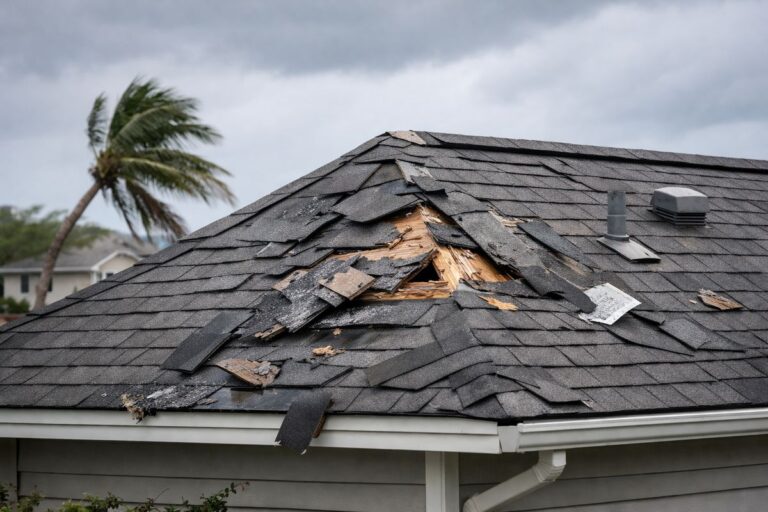

A roof problem always seems to show up at the worst time, usually right after one of those hard 4 p.m. summer storms that rolls through Ocoee or Winter Garden. If you’re trying to pin down roof repair cost Orlando, the short version is this: small fixes can be a few hundred dollars, bigger repairs can push into the low thousands, and the real price depends on what’s leaking, what your roof is made of, and how long the damage has been sitting there.
What roof repair usually costs in orlando
For most single-family homes in Orlando, Winter Garden, Ocoee, and Apopka, roof repair usually falls somewhere between about $300 and $2,500. On the low end, you’re often looking at a simple repair, something like replacing a handful of shingles or resealing a vent boot. In the middle, around $700 to $1,500, sit the jobs that involve leak tracing, flashing repair, underlayment patching, or replacing a small damaged section.
On the higher end, repairs can climb past $2,000 when water has gotten underneath the surface, wood has softened, or the damaged area is harder to reach. That’s especially common on older roofs, where the visible problem is only part of the story.
Typical repair price ranges by job
A few missing or damaged shingles often land around $300 to $700, assuming the surrounding area is still in decent shape. Sealing or replacing flashing, which is the thin metal that keeps water out at seams and edges, often falls between $400 and $1,200 depending on where the problem sits.
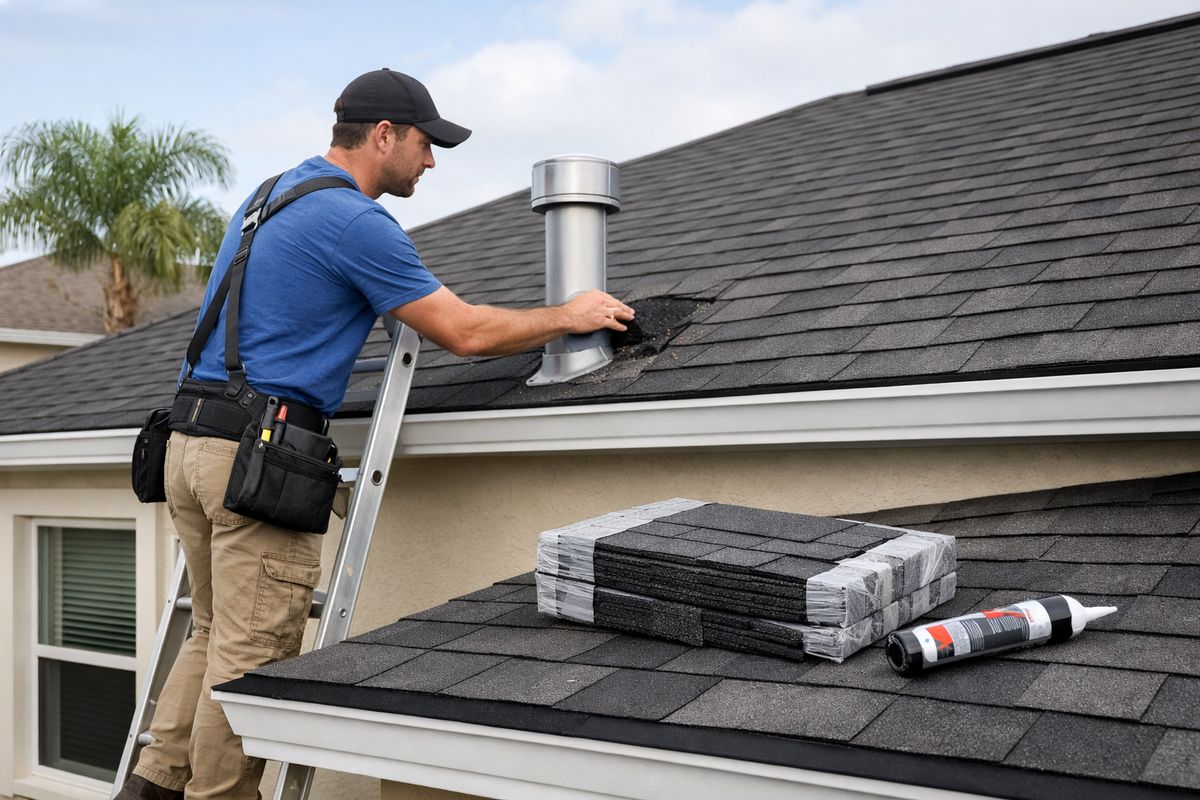
A leak around a vent or pipe boot is commonly in the $350 to $900 range. Small flat or low-slope repairs usually run a bit higher, often around $500 to $1,500, because low-slope means the roof sheds water slowly and needs different repair methods to stay watertight. Patching underlayment or replacing a small section of damaged decking can move a repair into the $800 to $2,000 range pretty quickly.
If you want a deeper look at what tends to move leak pricing up or down, it helps to understand the bigger picture behind what drives the final repair number.
When a “small repair” turns into a bigger bill
Here’s the catch: the first problem you notice is not always the full problem. A missing shingle by itself is usually manageable. A missing shingle that let rain soak the underlayment and decking for three months is a different job entirely.
Older roofs in Orlando-area neighborhoods often hit this wall. You start with a stain on the ceiling or a damp spot near a wall, then the repair crew finds brittle materials, soft wood, or signs that the same area has been patched before. At that point, you’re not just fixing one opening. You’re fixing accumulated wear.
What changes the price of a roof repair
Two estimates can look surprisingly different even when both mention the same leak. That’s not always a red flag. In roofing, price follows labor, access, material, and how much hidden damage has to be corrected to make the repair last.
Roof material and roof style
Asphalt shingle roofs are usually the least expensive to repair because the materials are widely available and the repair process is familiar and fairly direct. Tile repairs often cost more because matching tile can be tricky and the work takes more care. Metal roofs can also cost more depending on the panel style and whether the issue involves fasteners, seams, or flashing details.
Roof shape matters too. A simple walkable roof is cheaper to work on than a cut-up roof with valleys, transitions, and steep sections. Low-slope areas deserve special mention because they behave differently in heavy rain. Since water moves off them more slowly, repairs often require more prep and more precise sealing.
If you’re comparing materials long term, it helps to get familiar with how Florida roof types stack up against each other.
Age of the roof and condition underneath
An older roof almost always costs more to repair than a newer one, even when the visible damage looks similar. Materials get brittle with age. Sealants dry out. Underlayment weakens. A repair that would take one visit on a 6-year-old roof can turn into a more careful, slower job on a 17-year-old roof.
That matters a lot on older homes in Apopka and Orlando where the top surface may look acceptable from the driveway, but the layers underneath have been through years of heat, humidity, and storm cycles. If your roof is aging out, knowing how long roofing systems usually hold up in Florida makes estimate prices a lot less confusing.
Leak location and how easy it is to reach
Access changes everything. Fixing a problem on a single-story rear slope with clear access is one thing. Fixing a leak near a second-story valley, chimney, or skylight is another.
Think of it like fixing a faucet under an open sink versus one buried behind a wall. The repair itself may be simple, but getting to it safely and correctly takes more time. Roofers price that reality in. Steep pitches, tight corners, and delicate materials all push labor costs up.
Emergency timing after storms
A repair scheduled calmly on a dry week is usually cheaper than a repair made during an active leak after a storm. Emergency tarping, fast dispatch, and temporary water control all add labor and urgency.
Post-storm demand affects pricing too. After a stretch of heavy wind and rain across Orlando, schedules tighten up and temporary repairs become more common. If you’ve recently seen lifted shingles or ceiling staining, it’s smart to learn the signs that storm damage has already started showing before the next round of weather hits.
Common orlando roof repairs and what you’ll likely pay
Some repair issues show up again and again on Central Florida homes. If you’re requesting estimates, this is the part that helps you place your own situation on the map.
Shingle damage from wind, heat, and age
Cracked, curled, lifted, or missing shingles are among the most common repair calls in Orlando. A smaller targeted fix often costs around $300 to $800. If the damaged area spreads across a larger section, or if matching older shingles is difficult, the total can climb from there.
A focused repair can absolutely be the right move if the surrounding roof is still sound. But repeated shingle repairs on an older roof are often just buying time. If the same slope keeps failing, your money may be going into patchwork instead of a lasting fix.
Flashing and roof penetration repairs
Flashing problems are another common source of leaks, especially around chimneys, vents, walls, and plumbing penetrations. Flashing is the thin metal that directs water away from seams and edges where shingles alone are not enough.
Repairs in these areas usually fall between $400 and $1,200, depending on the location and how much surrounding material needs to be lifted and reset. Vent boot replacements tend to stay closer to the lower end. Chimney and wall flashing often cost more because the detailing is fussier and mistakes show up fast in the next rain.
Leak repairs around valleys, skylights, and transitions
Valleys, skylights, and roof-to-wall transitions are leak-prone because they concentrate water or interrupt the roof’s surface. Repairs here often run from $700 to $1,800, sometimes more if water has traveled under the visible entry point.
Diagnosis matters a lot in these cases. The drip you see in a hallway or bedroom may not be directly under the roof opening. Water likes to travel. It can run along decking, framing, or underlayment before finally showing up inside, which is why two leaks that look identical from the ceiling can have very different repair prices.
Fascia, soffit, and minor decking repairs
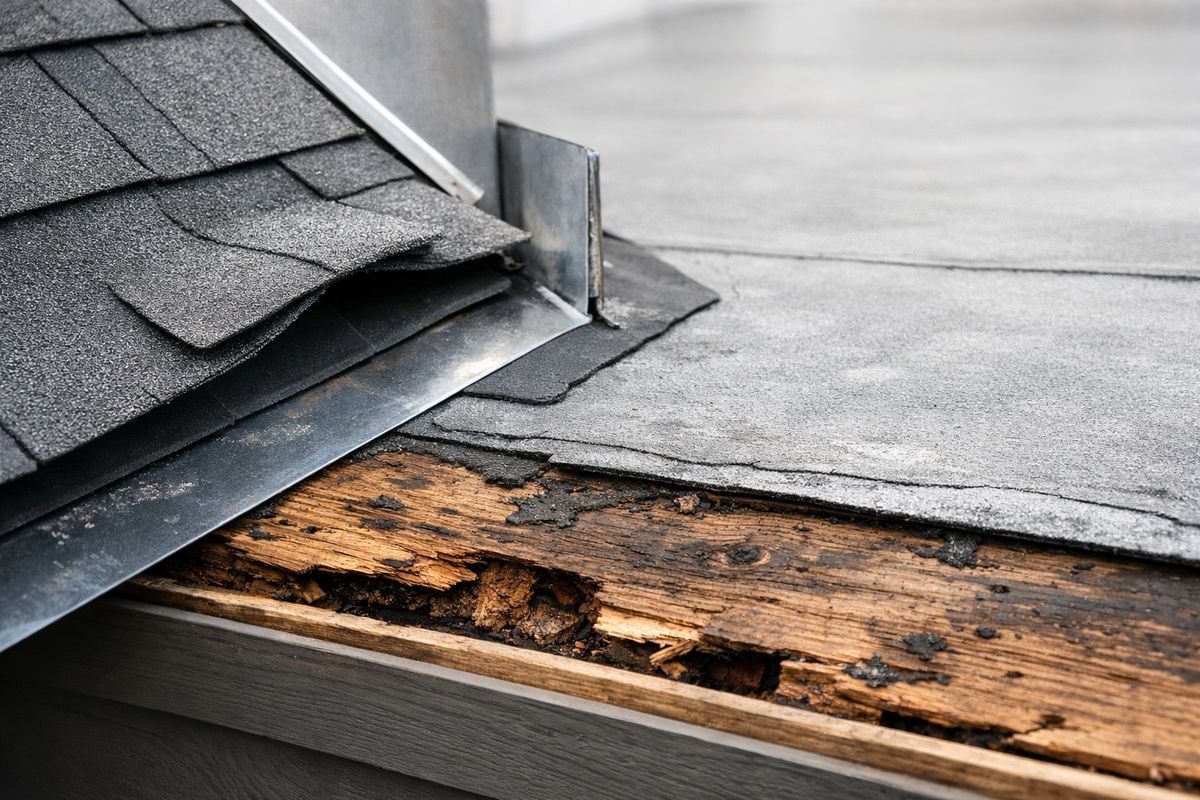
Edge damage often gets missed until somebody looks closely. Fascia is the board along the roof edge, and soffit is the underside area below the overhang. When those areas take on water, rot can spread quietly.
Small carpentry-related roof repairs often start around $500 and can move past $1,500 if damaged wood has to be cut out and replaced. This is where roof repair overlaps with basic structural wood repair. Once a section is opened up, the final cost depends on how much solid material is still left underneath.
Repair or replacement: how to tell which one makes more sense
Almost every roof estimate leads to the same question: should you repair this or stop pouring money into an aging roof? The answer gets clearer when you look at the roof as a system instead of a single leak.
Signs a repair is still worth it
A repair usually makes sense when the damage is isolated, the rest of the roof is in good condition, and the problem was caught early. That often describes newer roofs, one-time storm damage, or a localized issue around a vent or flashing detail.
If your roof is doing its job everywhere else, a focused repair is often the smartest money you can spend. There’s no prize for replacing a whole roof when one section truly needs a fix and nothing more.
Signs you’re paying to delay the obvious
The math changes when leaks keep coming back, shingles are brittle across multiple slopes, granule loss is widespread, or areas of the roof feel soft or look uneven. In that situation, each repair starts acting like another temporary bandage.
Budget matters here. Spending $900, then $1,200, then another $800 over a short stretch can feel safer than a larger project, but sometimes it’s just a slower way to get to the same destination. If that sounds familiar, it helps to compare your situation against common signs that a roof is nearing the end and a fuller breakdown of when repairing stops making financial sense.
How to compare roof repair estimates without getting lost in the wording
Roof estimates can be weirdly hard to compare. Two proposals may both say “repair leak,” yet one is twice the price. That’s a lot like comparing two grocery receipts that both say “dinner,” while one includes half the pantry and the other forgot the main ingredient.
What should be included in a written estimate
A solid written estimate should clearly spell out the repair area, the work being done, the materials being used, labor, cleanup, and what happens if hidden wood damage is found after opening the roof. It should also mention warranty terms, timeline, and permit notes if the repair calls for one.
If decking replacement is possible, the estimate should explain how that is billed. Otherwise, you’re stuck guessing at a cost that may appear later as a surprise add-on. Clear wording beats cheap wording every time.
Questions to ask before you say yes
Ask if the repair is meant to be temporary or permanent. Ask what happens if rotten wood is uncovered. Ask whether the repaired area is likely to match the rest of the roof, especially with older shingles or tile.
It’s also worth asking how soon the work can be done and whether any interior water protection is needed in the meantime. If the leak followed a storm event, you may also want to understand what Florida policies sometimes pay for after a roof leak.
Red flags in very low or very vague quotes
A very low quote can mean one of two things: you found a bargain, or parts of the job are missing from the paperwork. Usually it’s the second one.
Watch for vague phrases like “repair as needed” with no area, no material description, and no explanation of what is excluded. Pressure tactics are another bad sign, especially if somebody pushes for a same-day signature without answering basic questions. Cheap roof work has a way of becoming expensive twice.
Smart ways to keep your roof repair bill from climbing
You can’t control the weather, but you can control how long a roof problem gets to grow. That’s where most repair costs get out of hand.
Fix small problems before florida weather does the rest
A tiny flashing gap or one lifted shingle may not look dramatic on a dry morning. Then a 4 p.m. downpour hits, wind drives rain sideways, and the faint ceiling mark in the guest room suddenly spreads like spilled tea.
That’s why small repairs matter. Water rarely stays in one neat spot. Once it gets under the roof surface, the bill can expand from one repair area to insulation, drywall, paint, and wood replacement.
Get an inspection when the roof starts showing its age
If your roof is older and you’re seeing curled shingles, repeated minor leaks, granule loss in gutters, or staining near roof penetrations, getting an estimate early is usually the cheapest move available. Not glamorous, but true.
That goes double in Winter Garden, Ocoee, Apopka, and Orlando, where heat and storm cycles can turn “not urgent” into “why is the ceiling wet?” faster than you’d like. If you’re seeing active leaking right now, start with the first steps that help limit damage inside.
What to do next if you’re seeing signs of roof damage
Roof repair cost in Orlando varies for real reasons: material, age, access, leak location, storm timing, and what’s hiding underneath. That’s why one repair ends at a few hundred dollars and another crosses into the low thousands, even when both start with the same sentence: “There’s a stain on the ceiling.”
Try one simple thing next: get a written estimate before the next storm gets a vote. A clear inspection and a clear scope can save you from spending money in circles.
Frequently asked questions
How much does a typical roof repair cost in orlando?
Most roof repairs on single-family homes in Orlando land somewhere between $300 and $2,500. Smaller shingle or vent repairs usually stay on the lower end, while leak repairs involving flashing, decking, or hard-to-reach areas cost more.
Why are two roof repair estimates so different?
The difference usually comes down to scope. One estimate may include leak tracing, material replacement, wood repair, cleanup, and warranty coverage, while another may only include a basic patch. The wording matters as much as the number.
Is it cheaper to repair a roof or replace it?
A repair is cheaper upfront when the damage is isolated and the rest of the roof is still in good shape. Replacement starts making more sense when leaks keep returning, materials are worn across large areas, or repair bills keep stacking up.
Will homeowners insurance cover roof repair costs?
Sometimes, especially if the damage came from a sudden covered event like wind or a storm. Wear, age, and deferred maintenance are less likely to be covered. Your policy language and the cause of damage make the difference.
How fast should you fix a roof leak?
As fast as you reasonably can. Even a small leak can spread into decking, insulation, drywall, and trim after one strong rain. Waiting is usually what turns a manageable repair into a much bigger bill.
Can an older roof still be repaired?
Yes, sometimes. If the damage is isolated and the surrounding roof still has life left, repair can be the right call. But if the roof is brittle, leaking in multiple places, or nearing the end of its service life, repair may only buy a little time.
Ready to protect your home? Get in touch with the Hi Low Roofing team for your free estimate. https://hilowroofing.com/free-estimate/