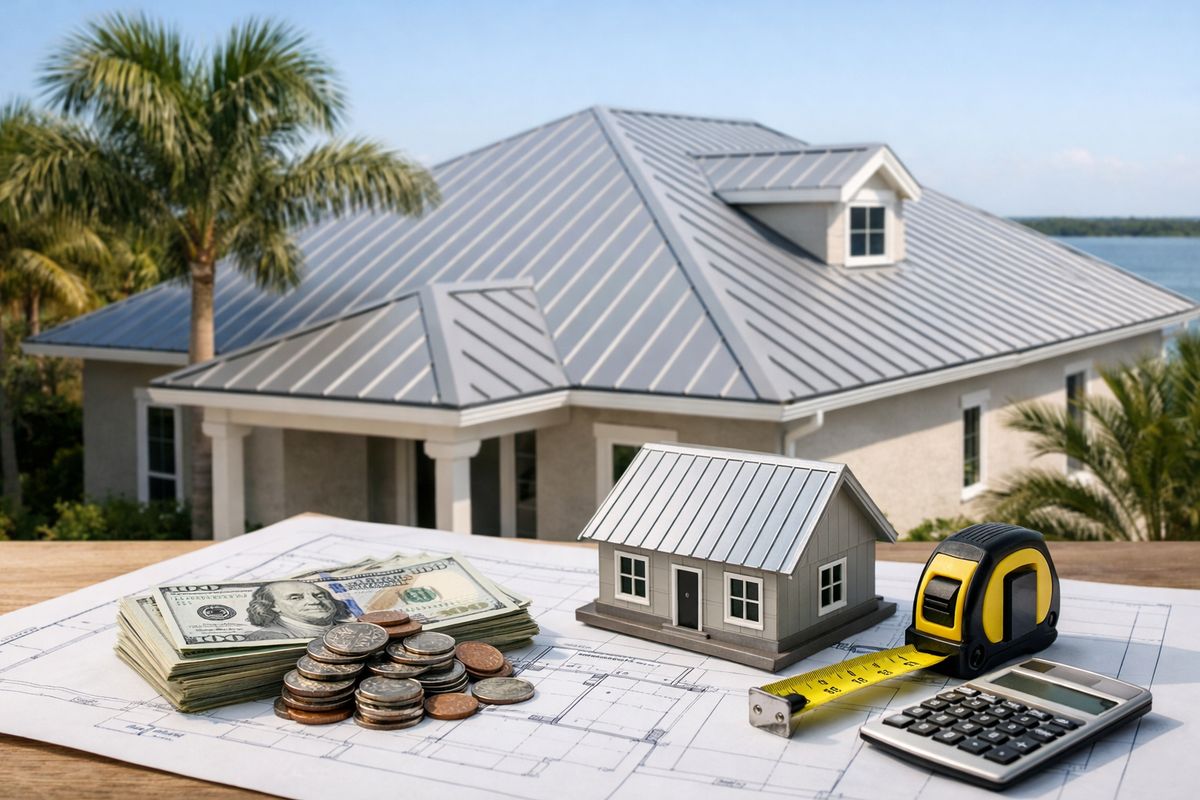
If you’re searching for metal roof cost Florida, you probably don’t want a vague national average. You want a number that feels real for your house, your neighborhood, and that roof that looks a little rougher every time another summer storm rolls through Orlando.
What a metal roof really costs in florida
For a typical single-family home in Winter Garden, Ocoee, Apopka, or Orlando, a full metal roof replacement usually lands somewhere between about $16,000 and $40,000+. On a square-foot basis, that often works out to roughly $8 to $18 per square foot installed, with higher-end systems going beyond that on larger or more detailed homes.
That range is wide for a reason. A simple, lower-slope roof with fewer cuts and a basic exposed-fastener panel costs much less than a steep roof with valleys, chimneys, skylights, decking repairs, and a premium standing seam system. Same material category, very different project.
Typical price range for a florida home
Here’s the practical version. A smaller home with a straightforward roof might fall near the lower end of the range. An average-size owner-occupied home in the Orlando area often ends up in the high teens to upper twenties. Once you get into bigger homes, complex rooflines, or premium profiles, totals in the $30,000 to $50,000 range stop being surprising.
If your roof is older and already showing wear, price gets less predictable until somebody actually inspects it. That’s especially true if curling shingles, sagging spots, or previous patchwork repairs are already visible. In that case, the metal itself may not be the biggest variable.
Why online price ranges often feel all over the place
Here’s the thing: many online numbers are too clean.
A lot of published estimates leave out tear-off, disposal, upgraded underlayment, flashing around penetrations, permit fees, and any wood replacement found after the old roof comes off. That’s like pricing a bathroom remodel based on the new vanity and pretending the plumbing doesn’t exist.
Local labor also matters. So do Florida code requirements, wind considerations, and the type of installation your home actually needs. If you’ve already been comparing prices and feeling like none of them match, that confusion is normal.
The biggest factors that change your final price
Average pricing helps a little, but your final number comes from the details of your roof. That’s where the real buying decision happens.
Roof size, shape, and pitch
Bigger roofs cost more, obviously, but shape matters almost as much as size. A large, simple roof is usually cheaper per square foot than a medium-size roof packed with angles, valleys, dormers, and roof penetrations.
Pitch is just how steep your roof is. A steeper roof takes more time, more safety setup, and more labor. It can also create more waste during installation, especially with premium metal panels that need precise cuts. If your home has multiple ridges and intersections, the quote climbs fast.
Existing roof condition and tear-off needs
An older roof can raise pricing before the new metal panels ever show up. If your current roof has soft decking, hidden rot, trapped moisture, or more than one old roofing layer, all of that adds labor and material cost.
This is why an estimate based only on satellite measurement can miss the mark. If you’re already seeing stains, loose shingles, or signs of age, it helps to review common warning signs that replacement may be closer than you think. A rough-looking roof often has rough surprises underneath.
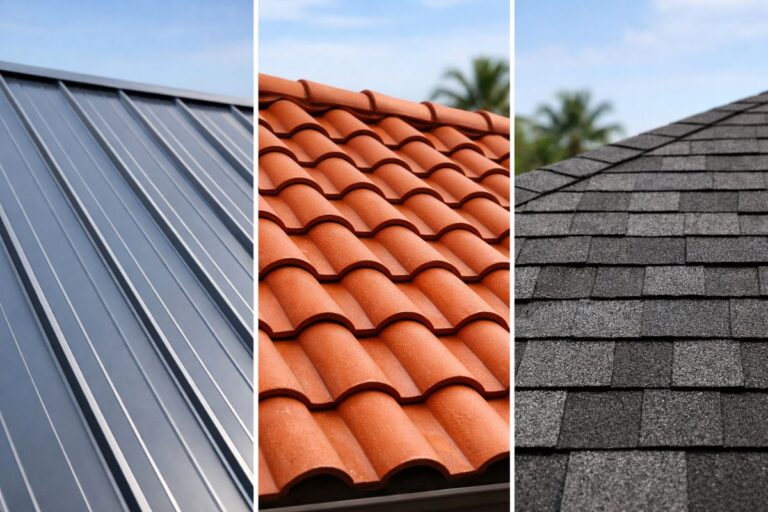
Material choice: standing seam vs metal shingles vs screw-down panels
Not all metal roofs are built the same, and the price gap can be big.
Standing seam is usually the premium option. Panels lock together with concealed fasteners, meaning the screws are hidden instead of exposed to weather. It has a cleaner appearance and usually performs better long term, especially in heavy rain and wind.
Metal shingles or stamped metal panels are designed to look more like traditional roofing. You get more style options, but usually at a higher installed cost because the profile and installation are more involved.
Screw-down panels, sometimes called exposed-fastener or corrugated systems, usually cost less upfront. But the visible fasteners and simpler profile come with tradeoffs in appearance, maintenance, and long-term watertight performance.
Underlayment, flashing, and fasteners
This is where cheap quotes get sneaky.
Underlayment is the protective layer between your roof deck and the metal. Flashing is the trim and sealing material used around edges, valleys, vents, chimneys, and transitions. Fasteners hold the system together. If any of these pieces are low-grade or poorly installed, the roof can fail long before the panels themselves wear out.
A quote that looks much lower than the rest may not be cheaper metal. It may be thinner underlayment, stripped-down flashing details, or skipped accessories that matter a lot in Florida weather.
Permits, inspections, and florida code requirements
Permits and inspections are part of the real price, not an annoying add-on. In Central Florida, code compliance matters because wind uplift resistance, fastening patterns, and underlayment details are not optional paperwork items. They affect how the roof performs when weather gets ugly.
That also ties into long-term insurance questions. If you’re trying to understand how roofing work connects to policy issues, it helps to read more about how Florida policies handle roof-related claims and limits.
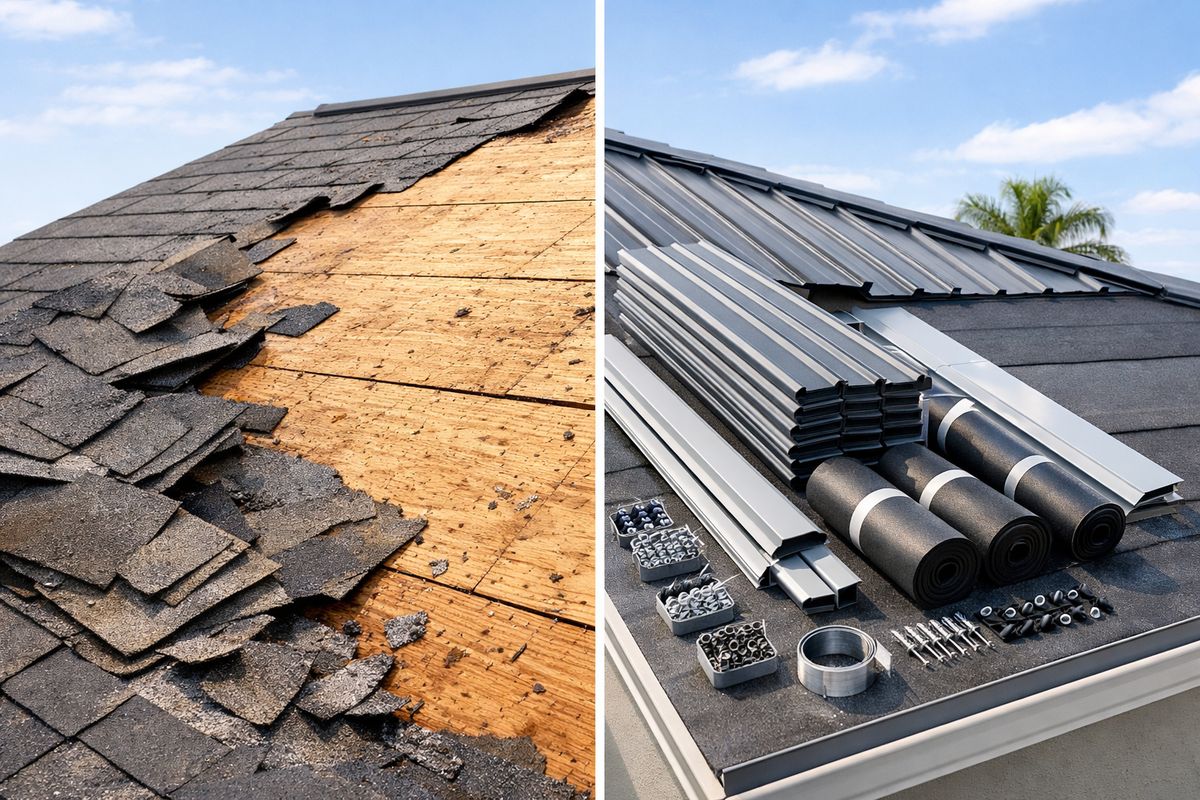
Metal roofing options and what you get at each price point
The smartest way to shop is not asking, “What’s the cheapest metal roof?” It’s asking, “What am I actually getting for this price?”
Corrugated or exposed-fastener metal
This is usually the lower-cost entry point into metal roofing. The panels are simpler, the fasteners are visible, and installation is often more straightforward.
For some homes, that makes sense. If upfront budget is the biggest concern, this option can deliver the look and general durability of metal at a lower price. The catch is that exposed fasteners can need more maintenance over time, and the finished appearance feels more utilitarian than polished.
Standing seam metal roofing
Standing seam is the option that gets recommended so often for a reason. It looks cleaner, uses concealed fasteners, and usually handles Florida weather better over the long haul.
Yes, it costs more upfront. But if your goal is fewer maintenance headaches, stronger storm performance, and a roof that still looks sharp years later, standing seam usually gives the best balance. If you want a broader side-by-side look at material tradeoffs, this guide to comparing Florida roof types on durability and cost helps put metal in context.
Stone-coated steel and other specialty styles
Some metal roofs are made to mimic shingle, tile, or shake profiles. These can look great, especially in neighborhoods where appearance matters just as much as weather performance.
That look usually costs more. Specialty profiles often involve more material, more labor, and more trim detail. If your main goal is matching a certain home style instead of getting the simplest metal system possible, expect the installed price to reflect that.
What florida homeowners commonly pay by home size
Home size does not tell the whole story, but it gives you a useful starting point.
Small homes
For a smaller single-family home with a simpler roof layout, metal roof replacement might land around $16,000 to $22,000. That assumes a relatively accessible roof and limited surprise repairs underneath.
A small home with a complicated roof can still break this range. Size helps, but complexity always gets a vote.
Mid-size homes
This is where many Orlando-area homes land. For a mid-size home, a realistic installed cost often falls around $20,000 to $32,000, depending on material choice, tear-off work, and roof geometry.
If you’re in Apopka or Ocoee with a house built a couple decades ago and visible wear around the valleys or penetrations, don’t be shocked if your quote lands in the upper half of that range.
Larger or more complex homes
Larger homes, steeper roofs, and homes with more architectural detail can push totals to $35,000 to $50,000 or more. A larger footprint means more material. A more complex roofline means more labor. Put those together and the cost rises fast.
That’s why one neighbor’s “metal roof price” is almost useless unless the homes are truly similar.
Extra costs that surprise homeowners
Most sticker shock comes from things that were technically possible all along, just not discussed clearly at the start.
Decking repairs and water damage
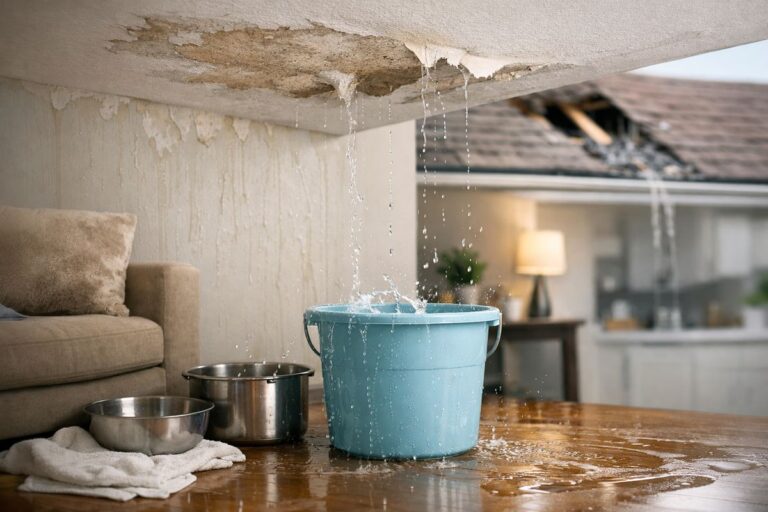
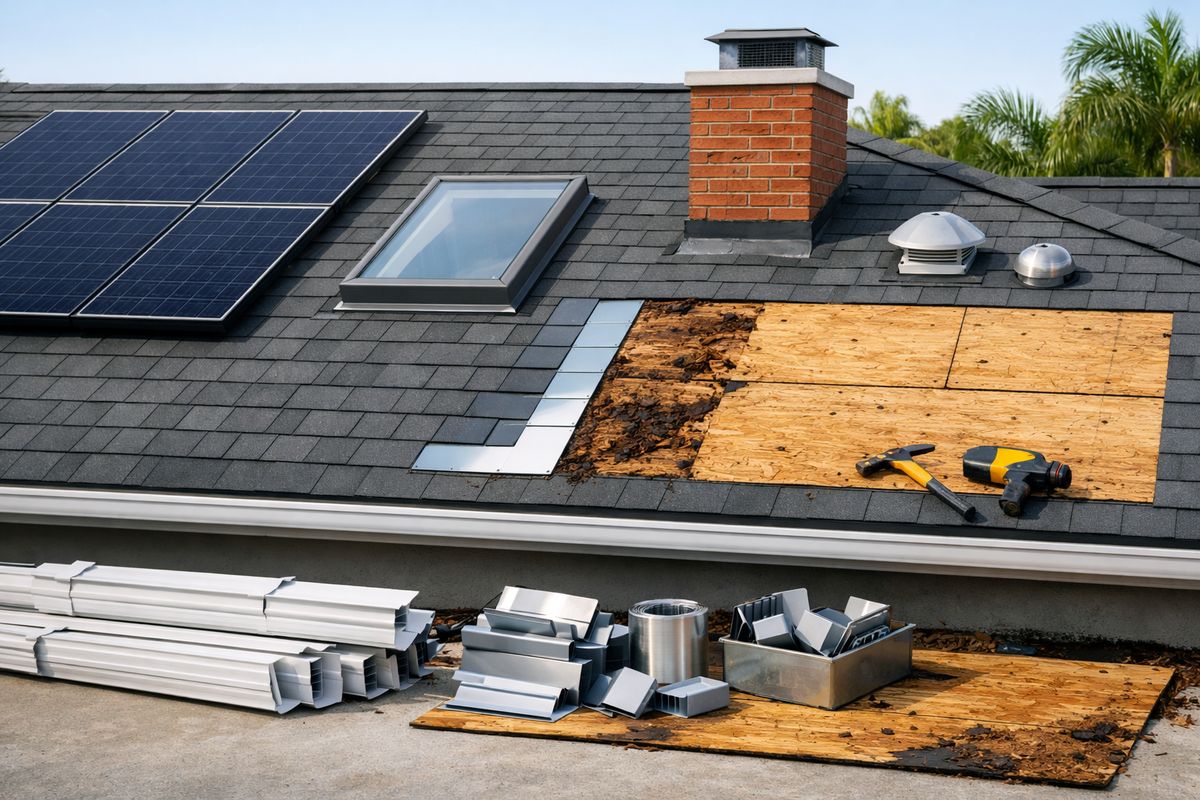
Once the old roof comes off, damaged plywood or decking can finally be seen. If there’s rot, delamination, or water damage, that wood has to be replaced before the new roof goes on.
This is one of the most common reasons a project total changes mid-job. It’s also why older roofs with leak history deserve a closer look. If you’ve had stains, drips, or repeat repairs, it’s worth understanding how leak-related costs tend to build once moisture gets below the surface.
Skylights, chimneys, solar, and other roof features
Every roof feature creates extra work. Skylights need careful flashing. Chimneys need detailed waterproofing. Solar equipment may require coordination for removal and reset. Plumbing vents, attic fans, and satellite mounts all add cuts and trim.
None of that means you should avoid metal. It just means your quote should account for the roof you actually have, not a blank rectangle on paper.
Gutters, insulation, and ventilation upgrades
Sometimes these costs are bundled into the roofing proposal. Sometimes they’re completely separate. Gutters may need replacement or adjustment. Ventilation may need improvement. In some cases, better attic airflow is part of getting the full benefit of a new metal roof.
Ask directly whether those items are included, excluded, or optional. Assumptions here get expensive.
Is a metal roof worth the higher upfront cost?
Yes, for many Florida homes, a metal roof is worth the higher upfront cost.
That answer is strongest if you plan to stay in the home, care about storm durability, and want to avoid replacing the roof again too soon. Asphalt usually costs less to install. Metal usually wins on lifespan, durability, and lower maintenance exposure in Florida’s heat, rain, and storm cycles.
If you’re still deciding between repair and replacement, it helps to sort out when patching a roof still makes sense and when it starts wasting money.
Monthly-payment thinking vs lifetime cost
Most homeowners do not make this decision with a spreadsheet alone. You think about the payment, the disruption, how long you plan to stay, and how badly you want to avoid another roofing project in 12 or 15 years.
That’s the right way to think about it. A metal roof often costs more today but can make more sense over the life of the house, especially if you’re replacing a roof that has already started a cycle of repairs and stress.
Insurance, energy savings, and resale appeal
Sometimes there are cost offsets, but it helps to stay realistic. Energy savings can help, especially with reflective finishes in Florida sun. Resale appeal can help if buyers see value in durability and lower maintenance. Insurance benefits may exist, but they vary by carrier, policy, and installation details.
If storm damage or active leaks are part of your roofing story, it also helps to understand what coverage may apply after roof damage shows up.
How to compare metal roof quotes without getting burned
A low quote is not always a good deal. Sometimes it’s just incomplete.
What a good estimate should include
A solid estimate should spell out the material type, panel style, gauge or thickness, underlayment type, tear-off scope, flashing details, permit costs, cleanup, and warranty terms. It should also explain how damaged decking is billed if hidden rot is discovered during tear-off.
If those details are vague, the number is vague too. And vague numbers have a habit of growing later.
Red flags in low bids
Watch for estimates that seem too neat. One total, barely any detail, no permit mention, no underlayment specification, and no explanation for how change orders are handled. That’s where cheap gets expensive.
Another red flag is a very short workmanship warranty or language that leaves out key accessories. Roofing quotes should feel specific, not slippery.
Questions to ask before you sign
Ask who pulls the permit. Ask what underlayment is included. Ask how wood rot is priced if found. Ask who handles cleanup and what happens if weather delays the job. Ask whether the quote includes all flashing replacement or just “as needed” work.
Simple questions do a lot here. The trick is getting answers in writing, not just in conversation on estimate day.
Best metal roof choices by homeowner priority
The best roof for you depends on what you care about most. Price matters, but it isn’t the only thing on the table.
If you want the lowest upfront cost
A simpler exposed-fastener system is usually the lower-cost route. If your roof shape is straightforward and budget is tight, that can be a practical choice.
Just go in with clear eyes. Lower upfront price often means more visible hardware, a less refined look, and more maintenance exposure over time.
If you want the best long-term value
For many owner-occupied homes in Central Florida, standing seam is the best long-term value. It costs more now, but the mix of durability, appearance, and lower maintenance usually makes the math work better over time.
That’s especially true if your house is your long-term place, not a short stop.
If your roof is older and already showing wear
If your roof is already showing age, ask for a detailed inspection and a quote that addresses likely unknowns upfront. That means asking about decking condition, tear-off assumptions, and how hidden damage will be documented and billed.
A cheaper quote with lots of blank spaces is not your friend on an older roof.
If curb appeal matters most
If appearance is high on your list, look closely at standing seam and specialty metal profiles that mimic tile, shake, or dimensional shingles. In neighborhoods around Winter Garden and nearby parts of Orlando, curb appeal can matter just as much as raw weather performance.
The right look costs more, but it can make the whole house feel more finished instead of simply re-covered.
A simple next step before you request estimates
Before you book quotes, gather three things: your roof’s approximate age, a rough idea of roof size or home square footage, and a few photos of visible wear from the ground. A couple shots of damaged areas, stains, or problem spots near the eaves can save time and lead to cleaner pricing.
Try that first. It makes estimate day more useful, and it cuts down on surprises.
Frequently asked questions
How much does a metal roof cost in florida compared to shingles?
A metal roof usually costs quite a bit more upfront than asphalt shingles. For many Florida homes, metal can run roughly two to three times the installed cost of a basic shingle replacement, though exact pricing depends on roof size, complexity, and material choice.
What is the cheapest type of metal roof for a house?
Exposed-fastener metal, often called corrugated or screw-down metal, is usually the least expensive option. It can work well for tighter budgets, but it generally gives up some appearance and long-term maintenance advantages compared to standing seam.
Does a metal roof lower homeowners insurance in florida?
Sometimes, but not automatically. Insurance savings depend on your carrier, your policy, the roof system installed, and how the roof meets current code and wind requirements. It’s smart to ask your insurer for specifics before counting on a discount.
How long does a metal roof last in florida?
A well-installed metal roof can last decades in Florida, often much longer than asphalt. Actual lifespan depends on material type, installation quality, maintenance, and how much storm exposure your home gets.
Does roof complexity really affect the quote that much?
Yes. A simple roof is faster and easier to install. Valleys, dormers, skylights, chimneys, steep slopes, and multiple penetrations all raise labor time, trim work, and material waste, which can significantly increase the total price.
Can a metal roof go over existing shingles?
Sometimes, but not always, and it is not always the best choice. Local code, roof condition, number of existing layers, and decking health all matter. If the roof underneath is aging or damaged, a full tear-off is usually the cleaner and safer path.
Ready to protect your home? Get in touch with the Hi Low Roofing team for your free estimate. https://hilowroofing.com/free-estimate/