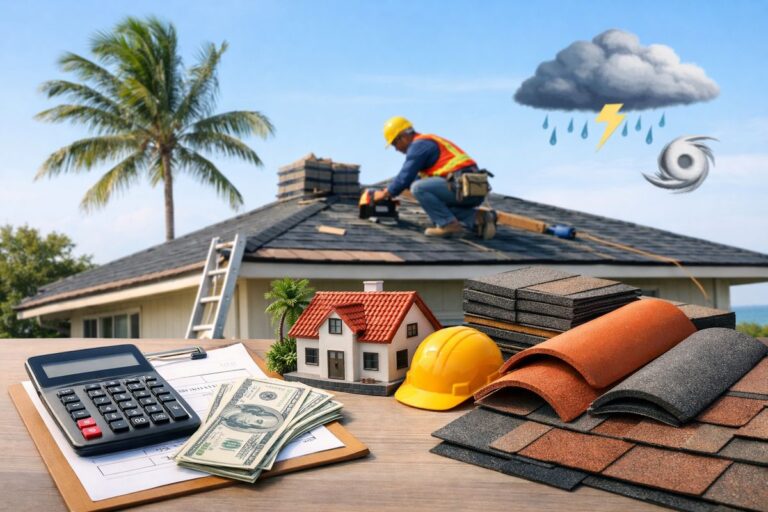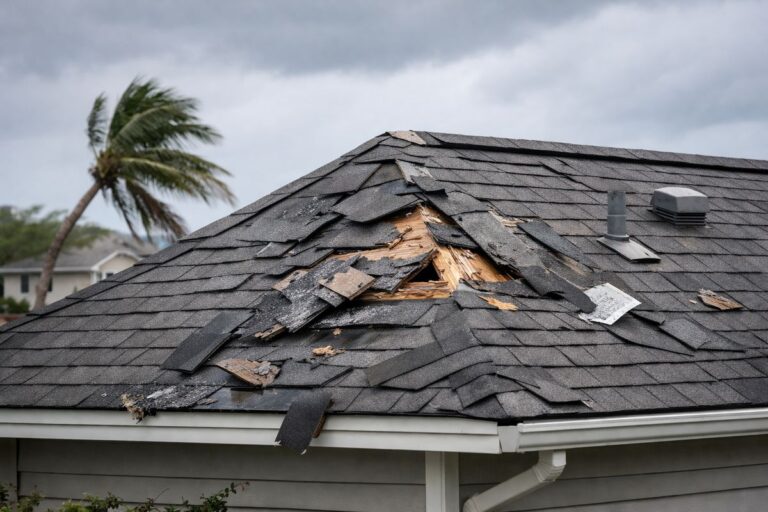
You usually start wondering if you need roof replacement at the worst time: right after a hard Orlando afternoon storm, when a ceiling spot appears out of nowhere or a few shingles show up in the yard. The good news is that the warning signs are usually there before things get expensive.
Signs your roof is telling you It’s time
Some roof problems look small until they spread. A little stain, a little curl, a little grit in the gutter, that is often how bigger trouble starts.
Missing, curling, or cracked shingles
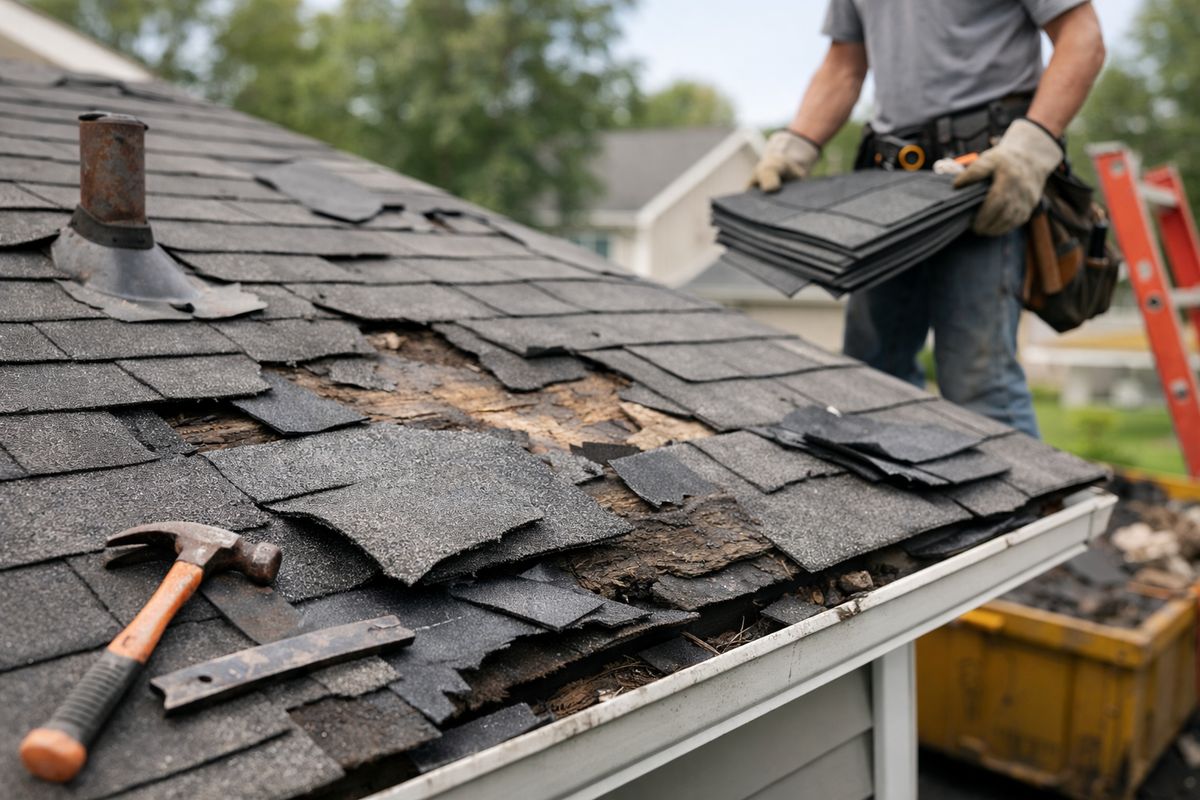
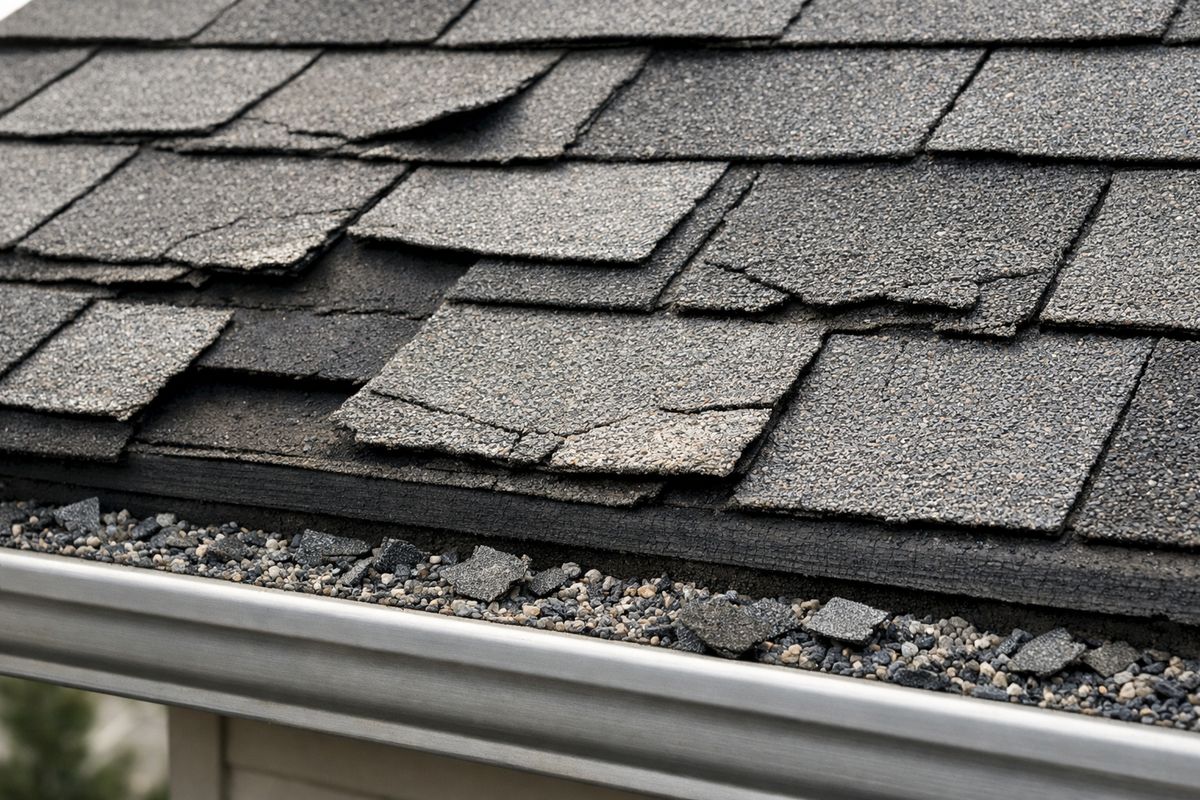
Shingles are your roof’s outer shield. When edges curl, tabs crack, or bare patches show up where granules have worn away, that shield is wearing thin. Sun, rain, and wind get a much easier path in. If you keep noticing scattered damage, especially after storms, that is more than normal aging. It is a sign worth taking seriously.
Water stains, leaks, and ceiling spots
A brown ring on the ceiling is not just a cosmetic issue. A roof leak simply means water has pushed past the outer roofing layer and into the structure below. You might notice attic drips, damp insulation, peeling paint, or a soft ceiling spot near a vent or wall. If that sounds familiar, this breakdown of what ceiling stains usually point to helps connect the dots fast.
Granules in gutters or around downspouts
Asphalt shingles shed granules as they age. Those sand-like bits in gutters or near downspouts are a clue that the roof is losing its protective surface. Think of it like a sponge left in the sun too long. It may still look usable, but it is breaking down.
Age matters more than most homeowners think
Roof age tells you a lot, even before a major leak starts. In Winter Garden, Ocoee, Apopka, and Orlando, years of heat, humidity, and storm cycles add up fast.
Typical lifespan by roofing material
Most single-family homes in Central Florida have asphalt shingle roofs, and many last about 15 to 25 years under normal conditions. Tile and metal can last longer, but age still matters. If your roof is pushing the far end of its expected life, replacement becomes a practical question, not an overreaction. For a clearer benchmark, take a look at how Florida roof life really tends to play out.
Why central florida roofs wear out faster
Florida weather is tough on roofs. Intense UV sun dries materials out, heavy rain tests every weak point, and hurricane season can turn a small issue into a large one overnight. Even without a named storm, fast summer weather can do real damage. Some of the most common patterns show up in this guide to roof trouble that keeps showing up around Florida homes.
Repair or replacement: how to tell the difference
Not every problem means full replacement. But repeated patch jobs can turn into a money pit.
When a repair still makes sense
A repair can still be the right call when damage is limited, like a few shingles blown off in one area or a small flashing issue. Flashing is the metal that seals roof joints and edges around places like chimneys and vents. If the roof is otherwise in solid shape, a focused fix may buy you real time.
When repeated repairs stop paying off
If leaks keep popping up in different spots, wear is widespread, or parts of the roof look soft or sagging, replacement usually makes more sense. Patching an old roof again and again is a lot like patching an old tire. At some point, you stop paying for a fix and start paying for delay. If you are stuck in that decision, this look at when repair stops saving money is useful.
What a roof inspection and estimate should cover
An estimate should do more than hand you a number.
Exterior and attic checkpoints
A solid inspection checks shingles, flashing, soft spots, decking, attic moisture, ventilation, and hidden storm damage. It should also note drainage trouble, because water that does not move off the roof properly can shorten roof life fast.
Questions to ask before you commit
Ask if the damage is localized or widespread. Ask how many layers are already on the roof, whether insurance may be involved, and what storm protection a replacement adds. It also helps to compare what should be included before you sign.
Common mistakes that can cost you more later
Small judgment calls can get expensive.
Waiting until the leak gets bad
A minor leak rarely stays minor. Water can damage drywall, insulation, and roof decking long before a ceiling actually drips.
Choosing based on price alone
The cheapest estimate is not always the best value. Materials, workmanship, warranty terms, and scope all matter. A low number means very little if the actual problem does not get fixed.
The next step if your roof looks questionable
If your roof is older, visibly worn, or leaking after a recent storm, try one simple thing: schedule an inspection before the next round of Florida weather rolls through. Catching the issue early can save you from paying for damage far beyond the roof itself.
Frequently asked questions
How do you know if you need roof replacement or just a repair?
If the damage is isolated and the rest of the roof is in good shape, a repair may be enough. If the roof is old, leaking in multiple areas, or showing widespread wear, replacement is usually the better long-term call.
Can a roof be replaced before it starts leaking?
Yes, and honestly, that is often the smarter move. Visible aging, missing shingles, and heavy granule loss can all signal that the roof is near the end, even before water gets inside.
How long does a roof inspection take?
Most inspections take less than a couple of hours, depending on roof size and how much damage needs checking. Attic access and storm-related issues can add time.
Does florida weather really shorten roof life?
Yes. Strong sun, humidity, heavy rain, and storm season all wear roofing materials down faster than in milder climates.
Should you get more than one estimate?
Yes. Comparing estimates helps you see differences in scope, materials, and warranty coverage, not just price.
Ready to protect your home? Get in touch with the Hi Low Roofing team for your free estimate. https://hilowroofing.com/free-estimate/