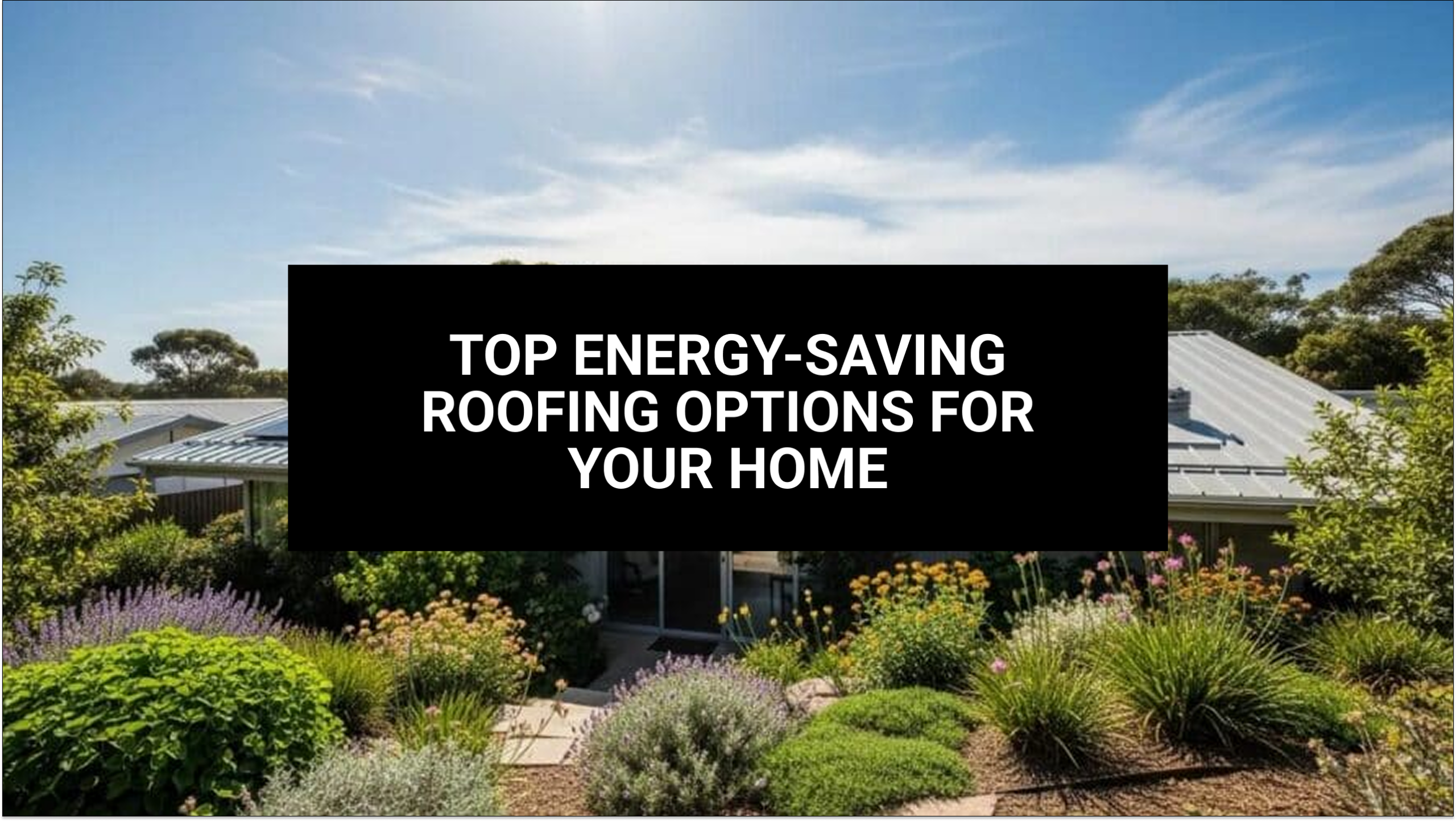
Energy-efficient roofing solutions are designed to reflect more sunlight and absorb less heat, helping homeowners reduce their energy bills. These roofs are particularly beneficial in regions with high temperatures, as they contribute to a cooler indoor environment and lower reliance on air conditioning systems.
Common types of energy-efficient roofing materials include reflective shingles, metal roofs, and green roofs. Each option offers unique benefits, such as improved insulation, durability, and environmental sustainability, making them suitable choices for homeowners looking to enhance their property’s energy performance.
Opting for energy-saving roofs can lead to significant financial savings over time. By reducing energy consumption, homeowners can enjoy lower utility bills while also increasing the overall value of their property. Moreover, many energy-efficient roofing options are eligible for tax credits and rebates, further enhancing their affordability.
In addition to financial benefits, energy-efficient roofs contribute to a reduced carbon footprint. By minimizing energy use, these roofs help decrease greenhouse gas emissions, making them an eco-friendly choice for environmentally conscious homeowners.
Many homeowners mistakenly believe that energy-efficient roofing options are too expensive or unattractive. However, advancements in roofing technology have made these solutions more affordable and aesthetically pleasing. Today, a variety of designs and colors are available, allowing homeowners to choose options that complement their property's style.
Another misconception is that energy-efficient roofs require more maintenance than traditional roofing materials. In reality, many energy-efficient options are designed for durability and require less upkeep, making them a practical choice for busy homeowners.
Selecting the right energy-efficient roofing material involves considering factors such as climate, budget, and aesthetic preferences. Homeowners should evaluate the thermal performance of various materials, as well as their longevity and warranty options, to make an informed decision.
It’s also advisable to consult with roofing professionals who can provide insights into the best materials for specific needs and local building codes. By doing thorough research and seeking expert advice, homeowners can ensure they choose a solution that meets both their functional and design requirements.