Understanding Roof Types: Which is Best for Your Home?
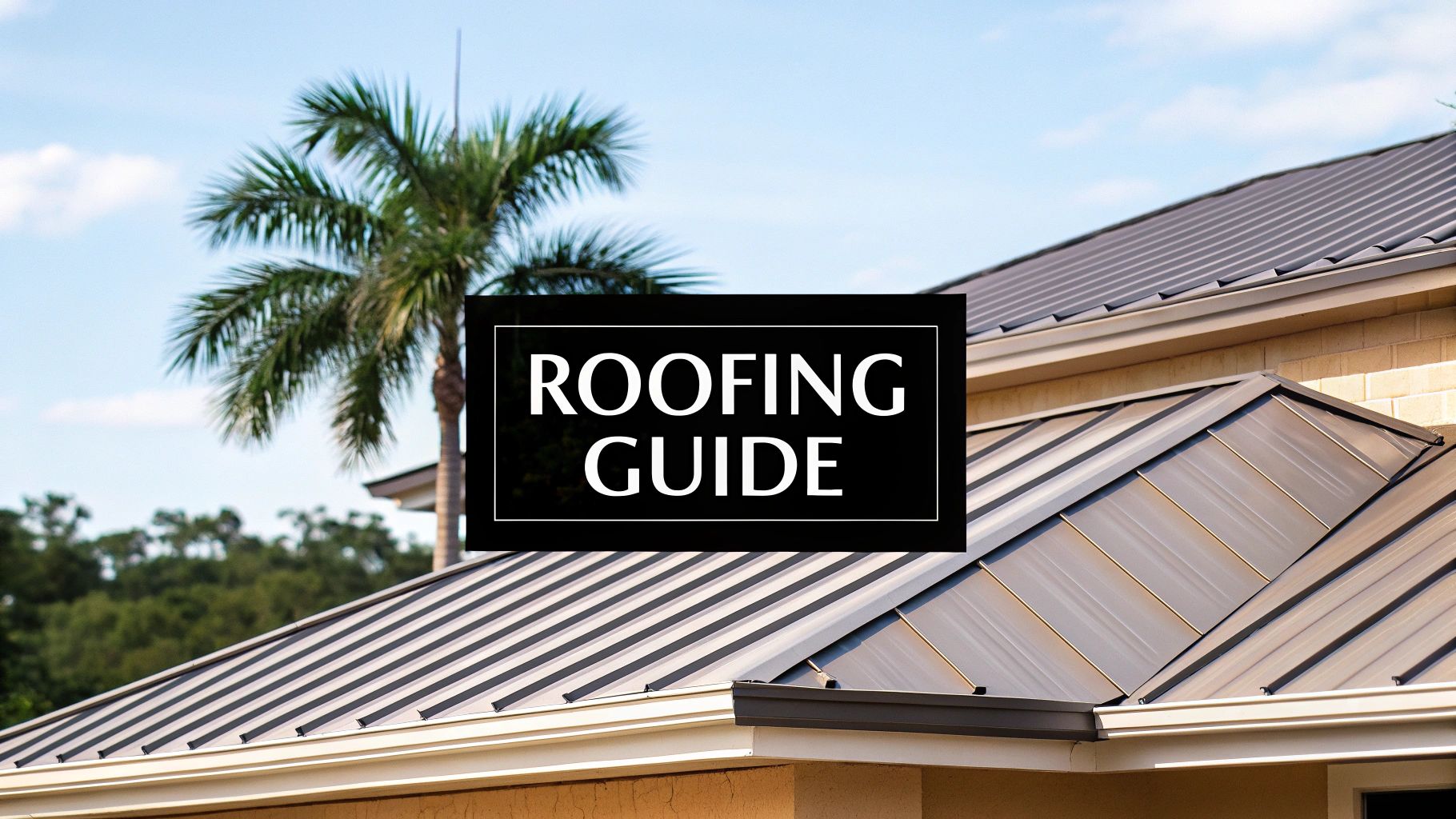
Choosing the right roof type is crucial for homeowners, as it affects both aesthetics and functionality. Different roofing materials, such as asphalt shingles, metal, tile, and slate, offer varying benefits and drawbacks. Understanding these options can help homeowners make informed decisions based on their specific needs, budget, and local climate conditions.
For instance, asphalt shingles are popular for their affordability and ease of installation, while metal roofs are known for their durability and energy efficiency. Homeowners should consider factors such as longevity, maintenance requirements, and insurance implications when selecting the best roofing type for their property.
Common Roofing Issues and How to Identify Them
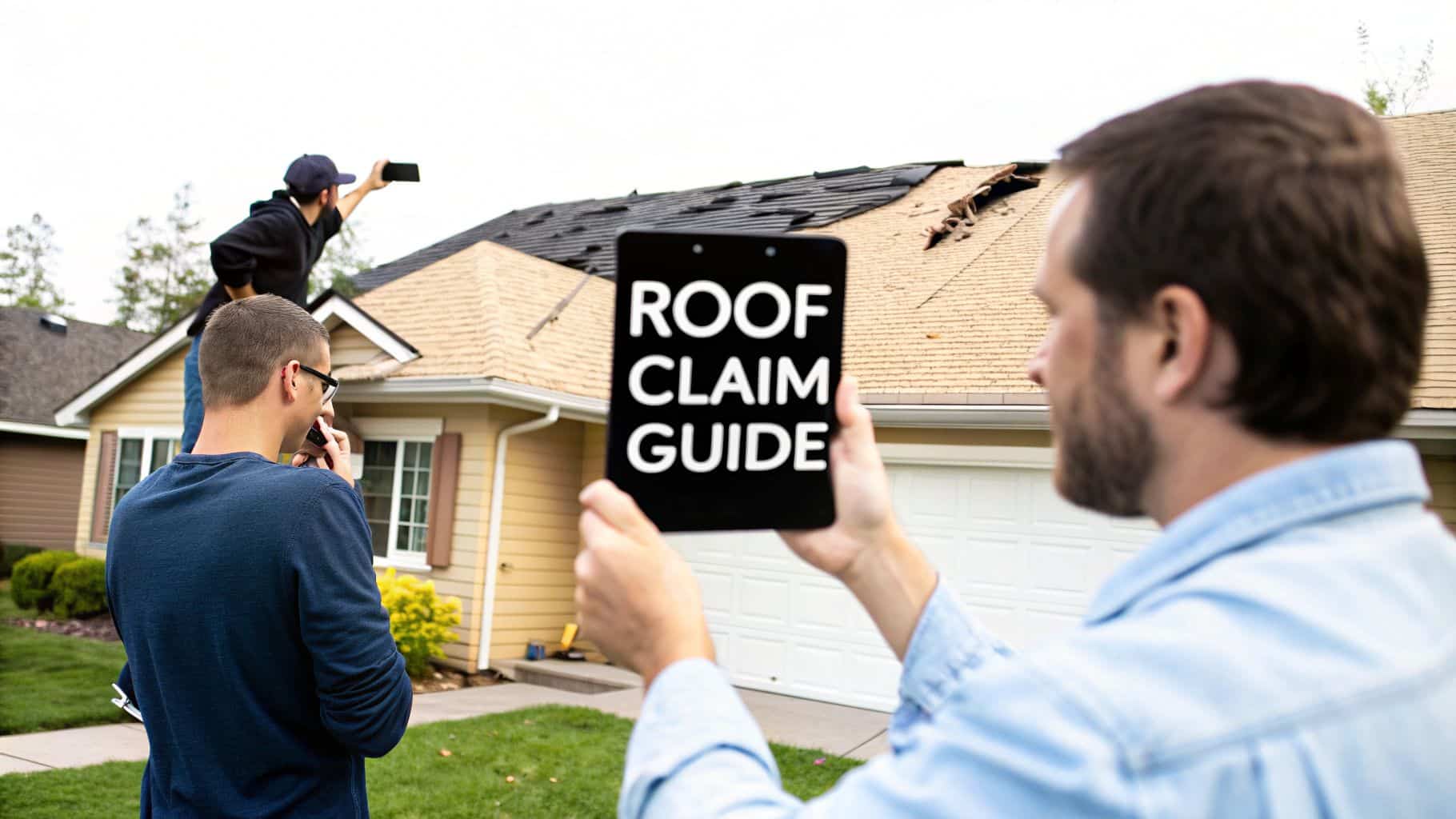
Being aware of common roofing issues can save homeowners time and money in the long run. Problems such as leaks, missing shingles, and sagging roofs can lead to significant damage if not addressed promptly. By familiarizing themselves with these issues, homeowners can take proactive steps to maintain their roofs and ensure their longevity.
For example, homeowners should regularly inspect their roofs for signs of wear and tear, especially after severe weather events. Identifying early warning signs, such as water stains on ceilings or increased energy bills, can help homeowners catch problems before they escalate into costly repairs.
The Importance of Regular Roof Maintenance
Regular roof maintenance is essential for extending the lifespan of a roof and preventing costly repairs. Homeowners should schedule periodic inspections and maintenance tasks, such as cleaning gutters, removing debris, and checking for signs of damage. This proactive approach can significantly enhance the roof's durability and performance over time.
Moreover, regular maintenance can help identify potential issues early, allowing for timely interventions. Homeowners who invest in routine care can also benefit from improved energy efficiency, as a well-maintained roof better regulates indoor temperatures and reduces heating and cooling costs.
How to Choose a Reliable Roofing Contractor
Selecting a trustworthy roofing contractor is crucial for ensuring quality workmanship and peace of mind. Homeowners should look for contractors with proper licensing, insurance, and positive customer reviews. Gathering multiple estimates and asking for references can help in making an informed choice.
Additionally, homeowners should inquire about the contractor's experience with specific roofing materials and techniques. A reliable contractor will not only provide a detailed estimate but also offer insights into the best practices for maintaining the roof after installation or repair, ensuring long-term satisfaction with the roofing project.