What should I do right after a storm damages my roof?
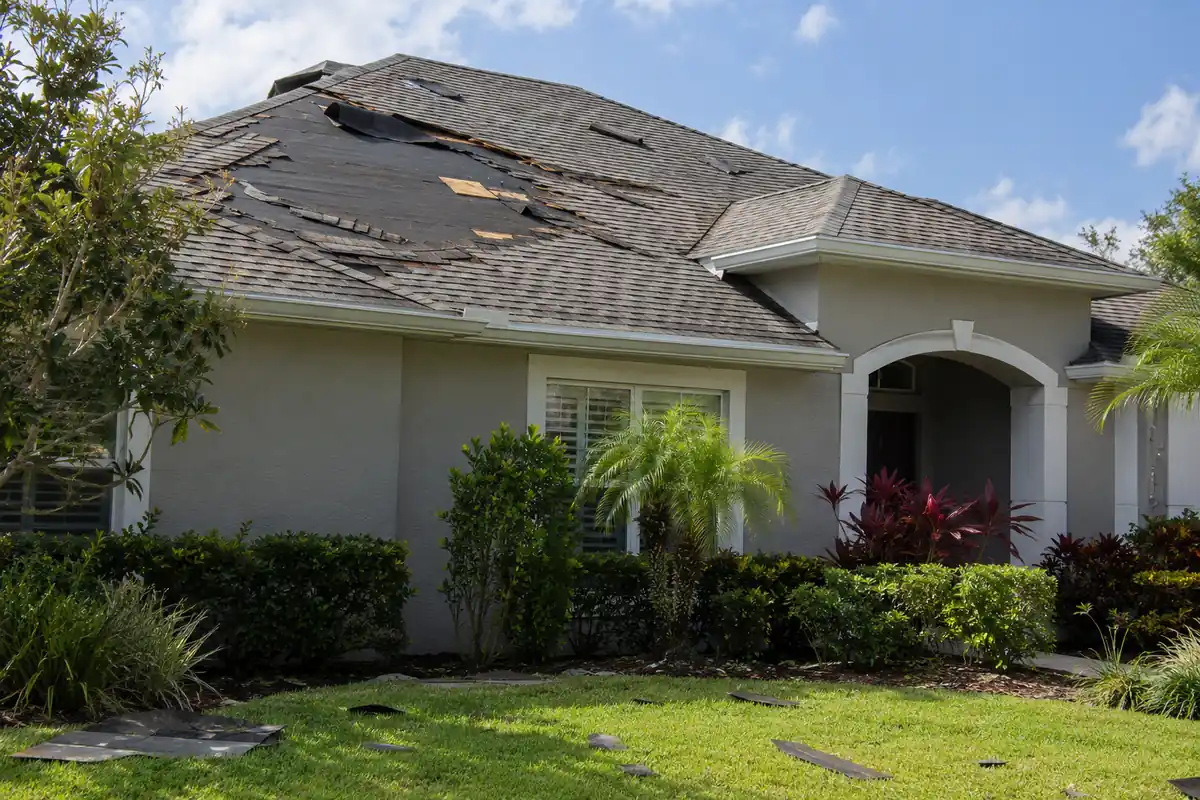
Make sure everyone is safe and stay away from sagging ceilings, downed power lines and wet areas near electrical fixtures. Take photos and video of the roof from the ground, debris in the yard and any interior damage before anything is moved.
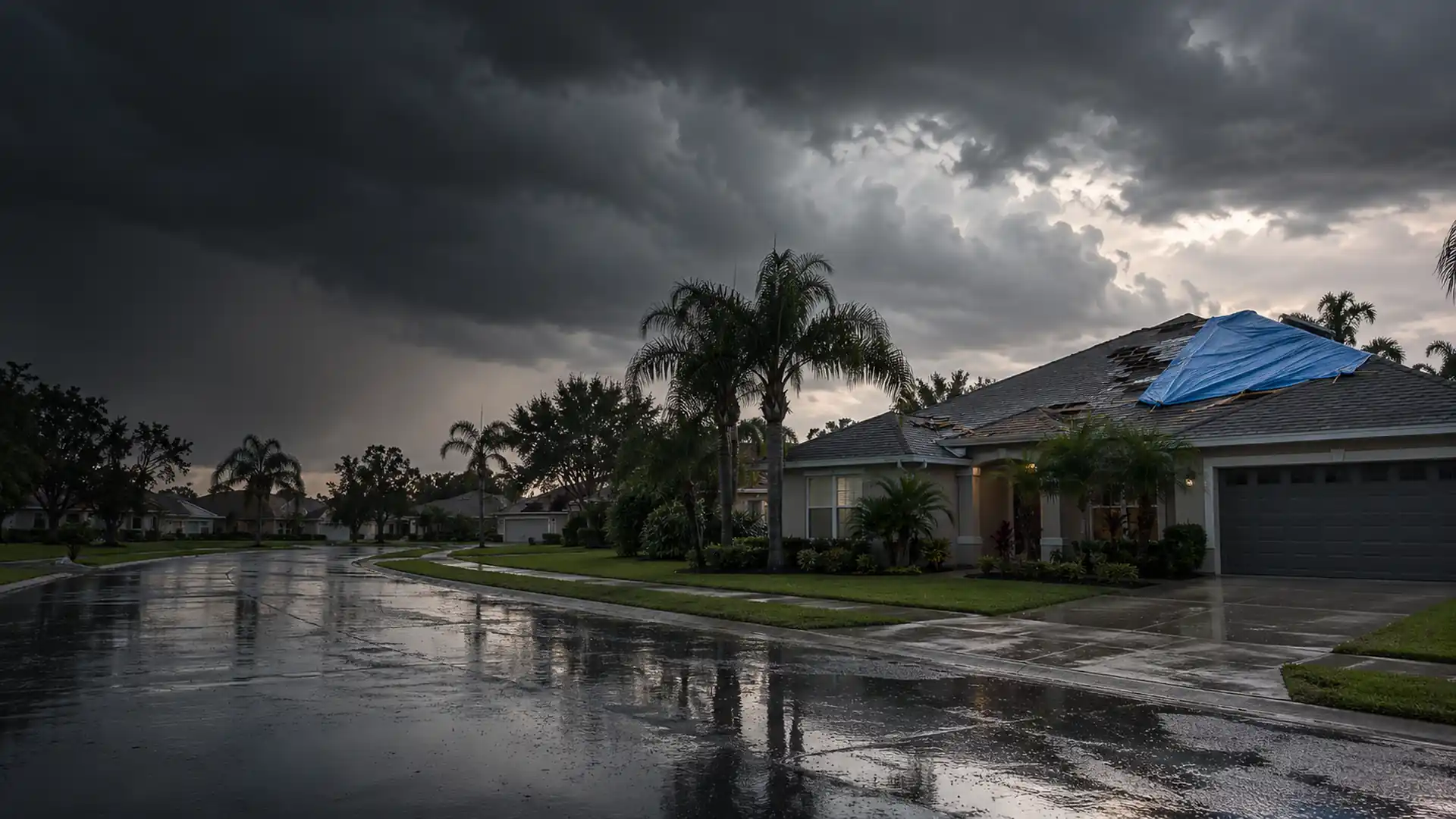
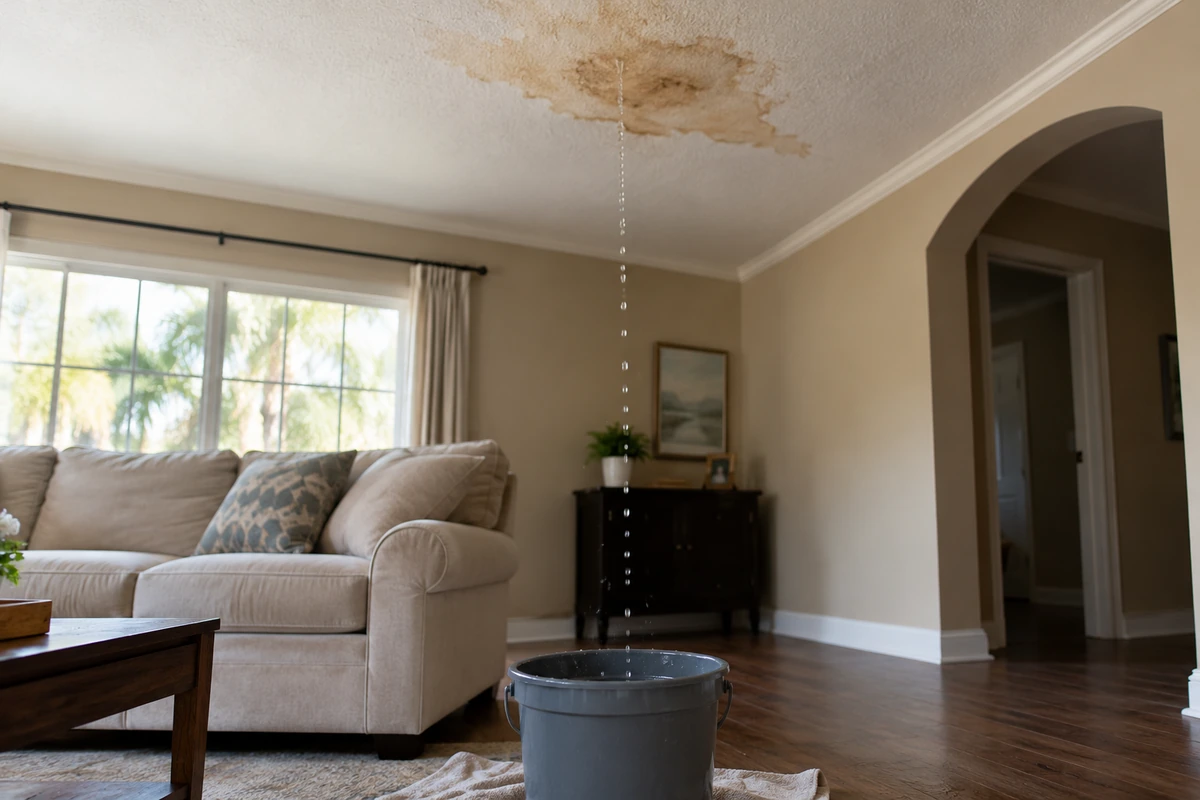
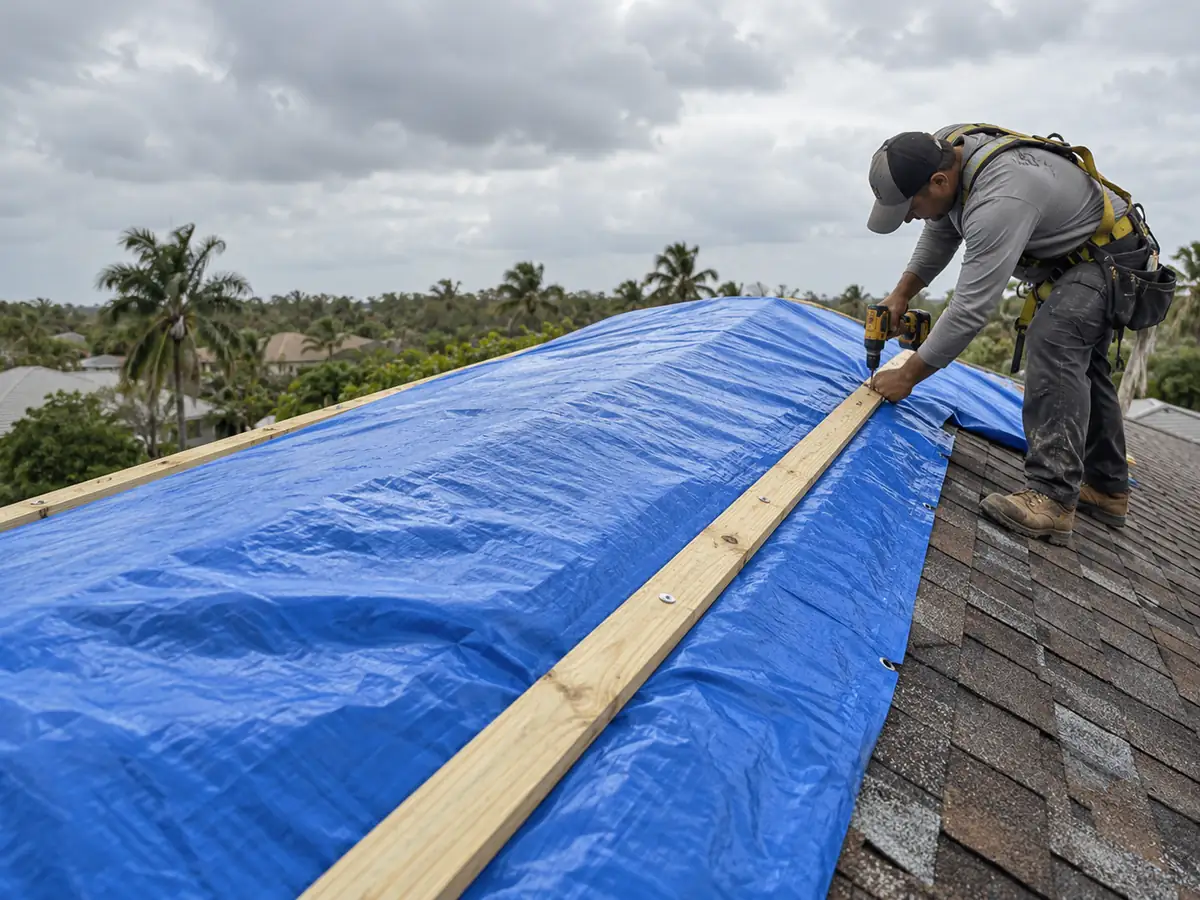
Contain the water with buckets and towels, then call Hi Low at 407-287-6171. If the roof is open, ask about emergency tarping so the house is protected before the next rain. You can notify your insurance company at the same time.
How can I tell if my roof has storm damage if I can’t see anything?
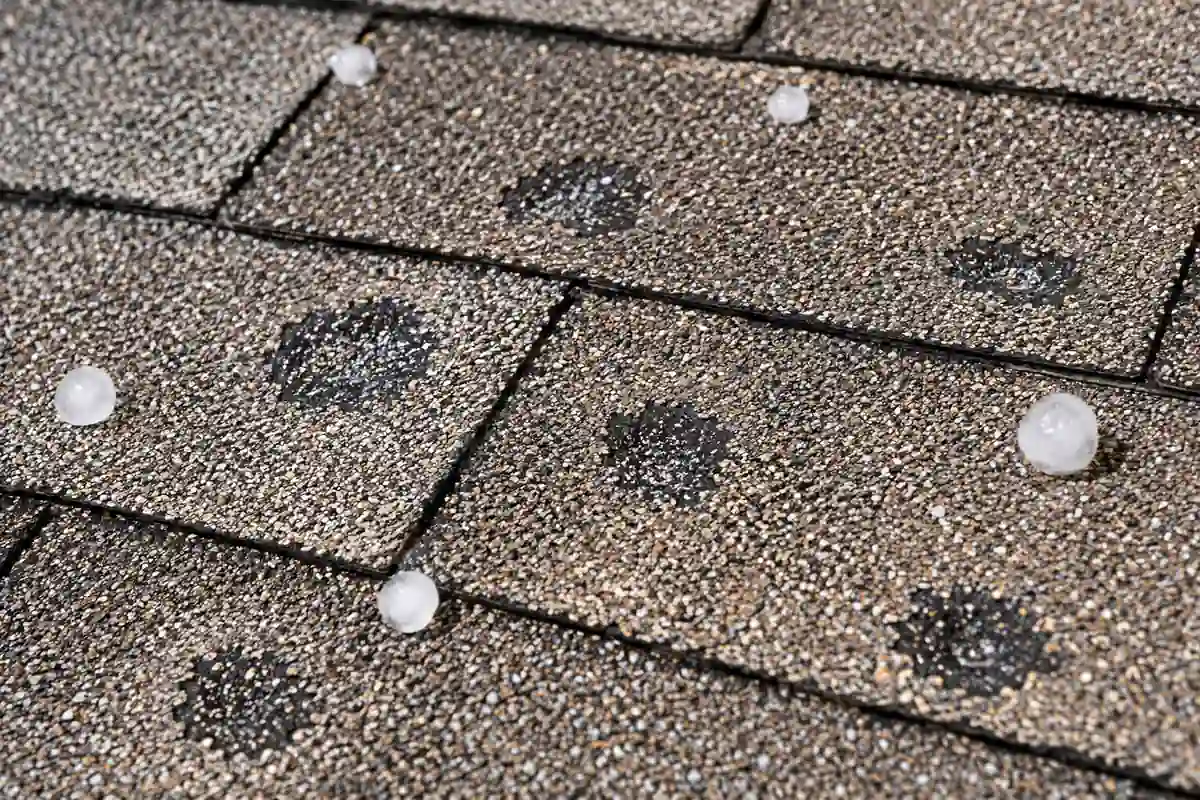
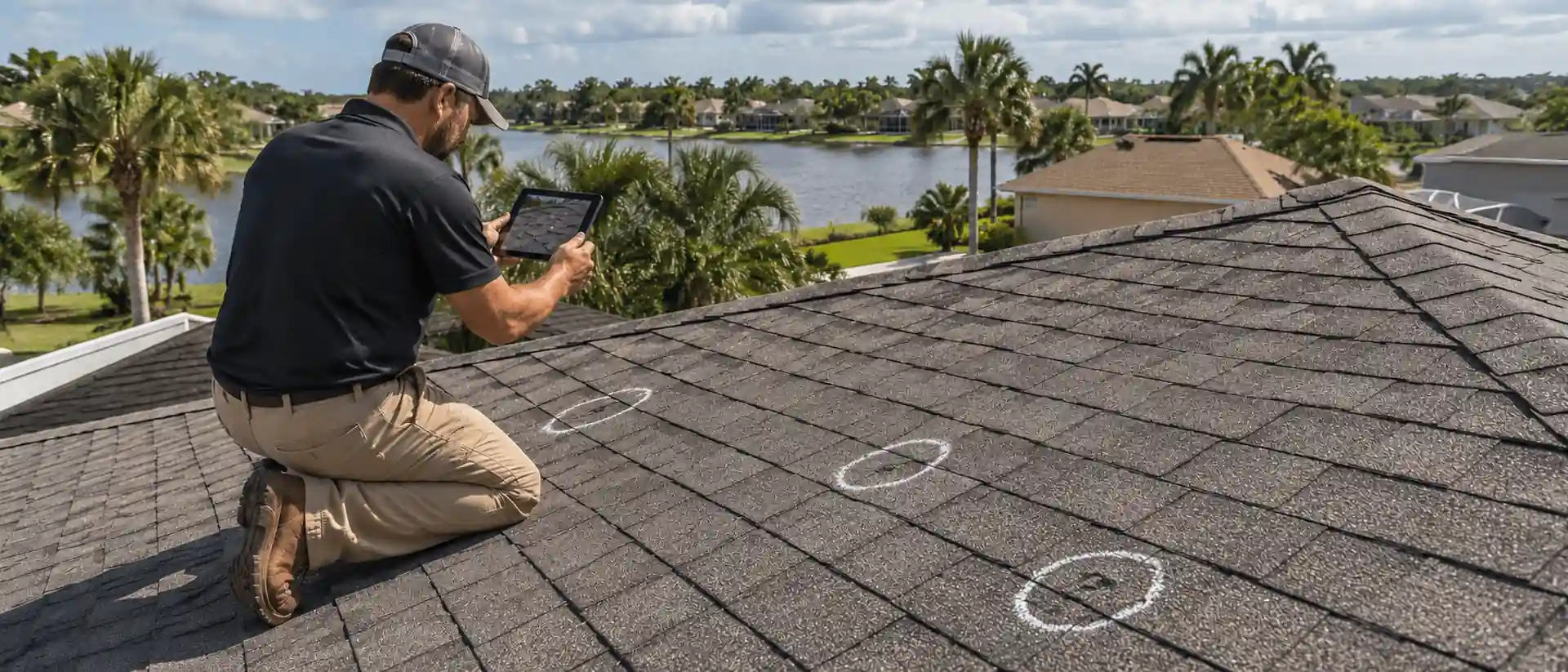
A lot of storm damage isn’t visible from the ground. Wind can break the seal strips that hold shingles down without tearing them off, hail can crack tiles or knock granules off shingles, and flashing can loosen around vents and walls. Signs worth noticing include shingles or granules in the yard, new ceiling stains and damp insulation. The surest way to know is a roof inspection after any major storm.
Do you offer emergency roof tarping?
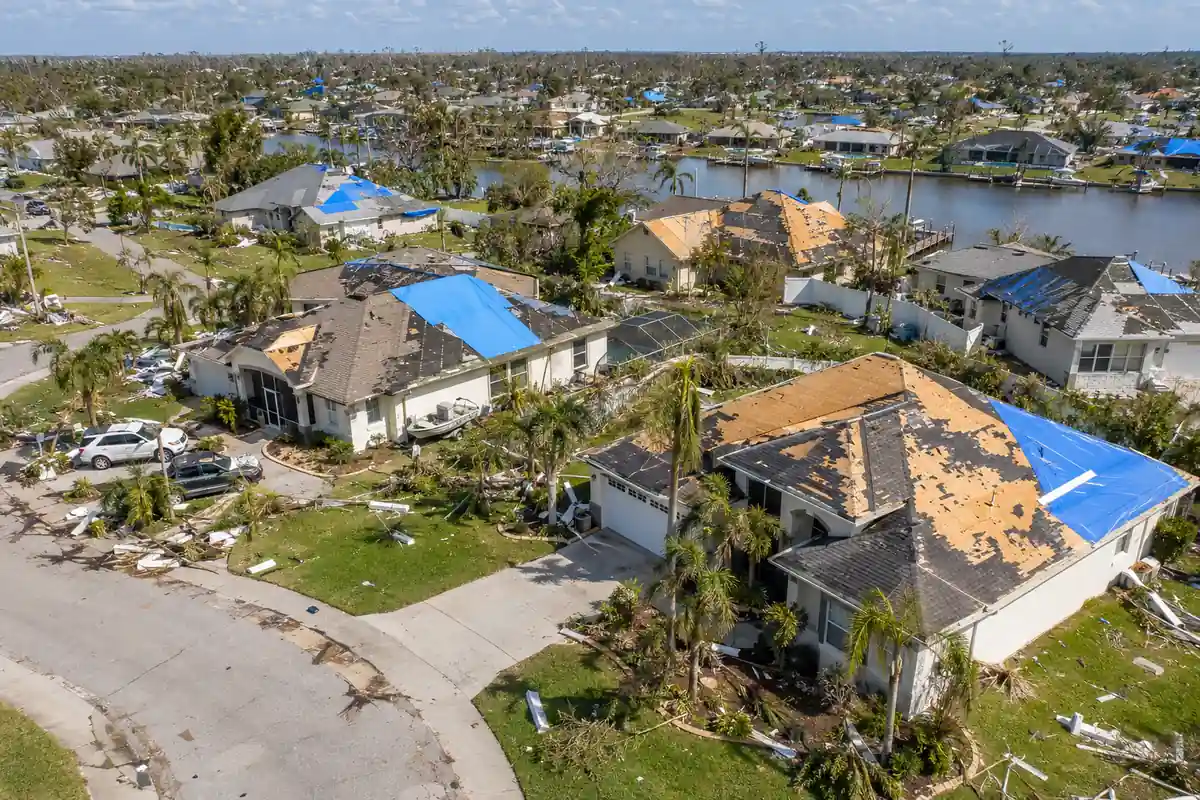
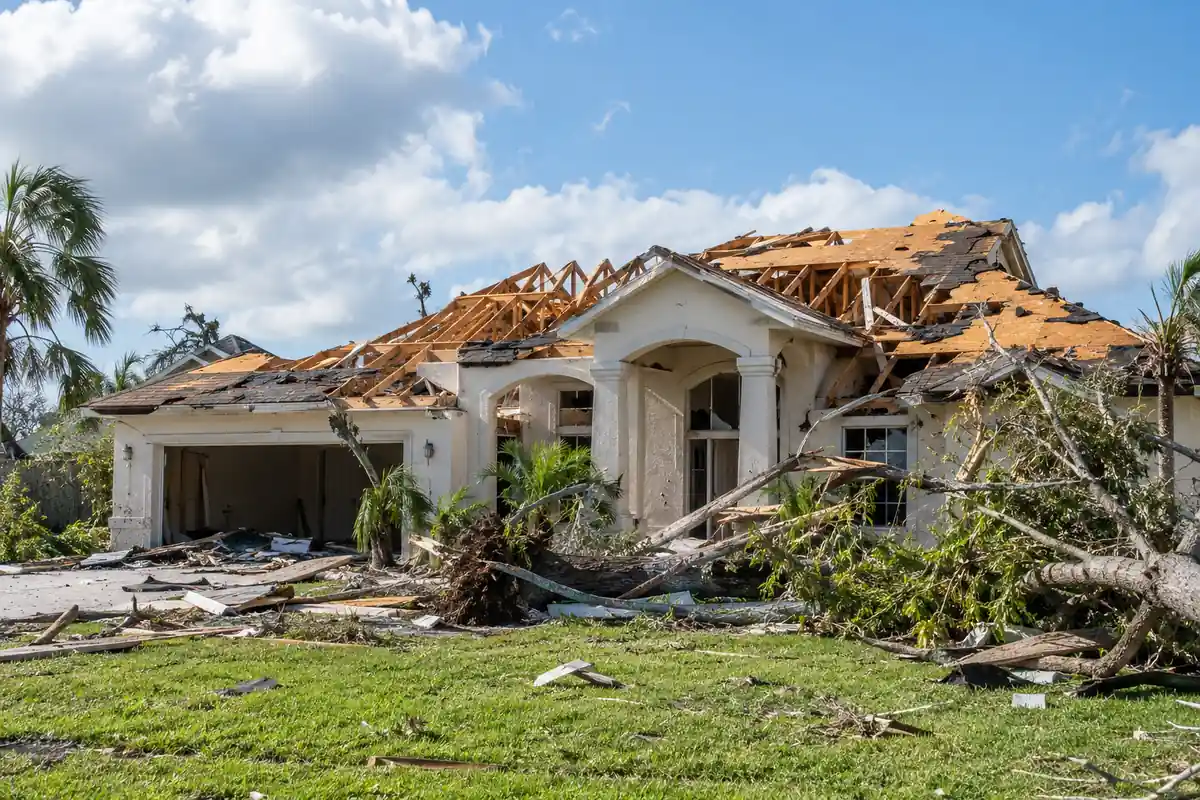
Yes. When a storm leaves your roof open and a permanent repair can’t happen right away, our team installs a temporary tarp to keep rain out. We work to tarp as quickly as conditions allow, often the same day. Call 407-287-6171.
How long does a roof tarp last?
A tarp is a temporary measure meant to protect the house until the permanent repair is done. Sun and wind wear tarps down, so the permanent repair or replacement should be scheduled as soon as possible. If a tarp starts to loosen or tear, call us to re-secure it.
Will my homeowners insurance cover storm damage?
Most Florida homeowners policies cover sudden damage from wind, hail and falling objects, subject to your deductible, while wear and tear and lack of maintenance usually aren’t covered. Coverage depends on your specific policy, so review it with your insurance agent. We provide the documentation your claim depends on: photos, measurements and a written scope of the damage.
How long do I have to file a roof damage claim in Florida?
Under the Florida insurance reforms passed in 2022 (SB 2-A), a new or reopened property insurance claim must be reported within one year of the date of loss, and a supplemental claim within 18 months. Check your policy for its specific requirements and report damage promptly. It’s easier to document while it’s fresh.
Can Hi Low deal with my insurance company for me?
You stay in control of your claim. For residential and commercial property policies issued on or after January 1, 2023, Florida law no longer allows post-loss benefits to be assigned to a contractor, so you work with your insurer directly.
Hi Low documents the damage and prepares a written scope and estimate that you can share with your adjuster. We don’t interpret insurance policies or negotiate claims; for that, talk to your agent, a licensed public adjuster or an attorney.
What is a hurricane deductible?
Florida homeowners policies usually include a separate hurricane deductible that applies to damage from a declared hurricane. It is often a percentage of your dwelling coverage rather than a fixed dollar amount, which can make it significantly higher than your regular deductible. Check your declarations page before the season starts so you know what to expect.
Should I repair or replace my roof after a storm?
It depends on how much of the roof is damaged, the roof’s age and condition before the storm, and the building code it was built under. Under Florida Statute 553.844, roofs built to the 2007 Florida Building Code or later only need the repaired portion brought up to current code. We inspect the whole roof, document what we find and explain whether a repair, a section replacement or a full re-roof makes sense.
Can storm damage show up weeks later?
Yes. Shingles whose seal strips were broken by wind can stay in place until the next storm lifts them off, and small cracks or loosened flashing may only leak during heavy, wind-driven rain. That’s why we recommend an inspection after any major storm, even if you don’t see a leak yet.
A tree fell on my roof. What do I do?
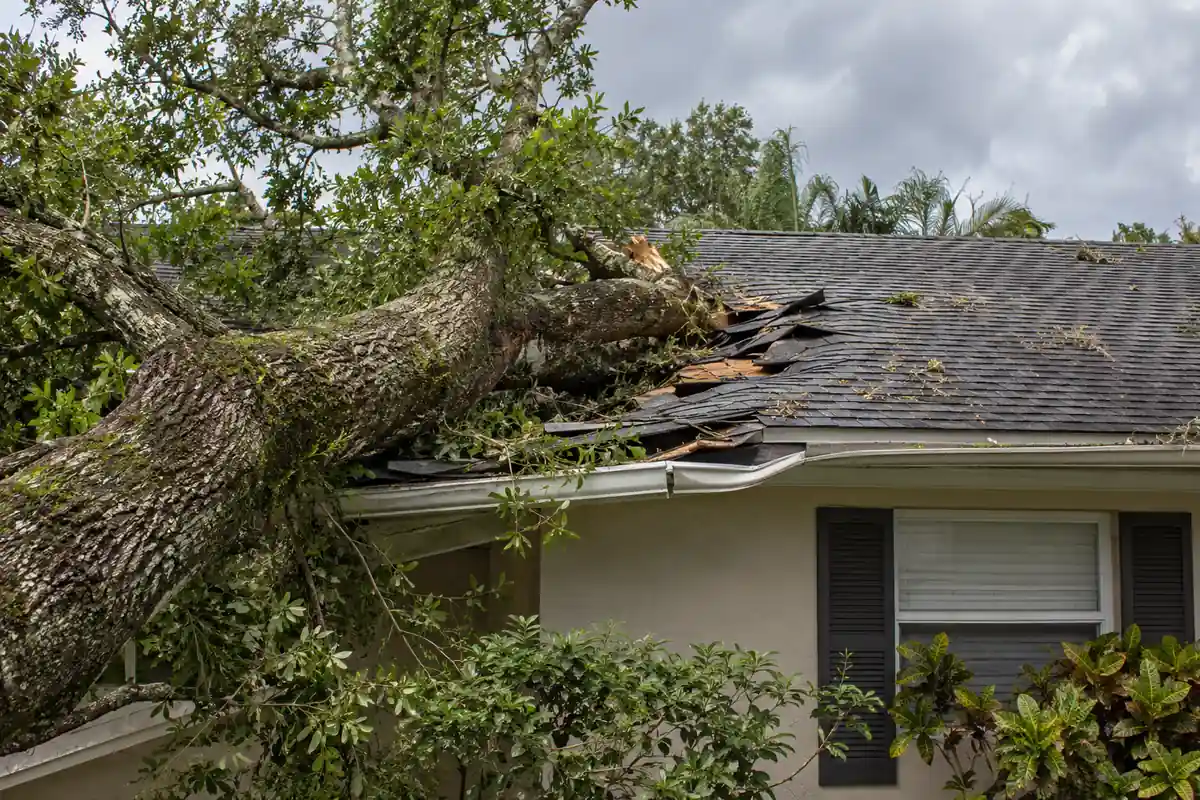
Get everyone out of the affected rooms. If the tree is touching power lines or the structure looks unstable, call 911 and your utility. A tree service usually needs to remove the tree before the roof can be secured. Once it’s off, we tarp the opening, then repair the decking, structure and roof covering as needed.
Do you repair hail damage in Central Florida?
Yes. Hail is less common in Central Florida than in some states, but severe thunderstorms do produce it. We check shingles for granule loss and fractures, tiles for cracks, and metal roofs, vents and gutters for dents, then repair or replace the affected areas.
How do I avoid storm-chasing contractors?
Be cautious with anyone who knocks on your door right after a storm. Verify the contractor’s Florida license with the Department of Business and Professional Regulation at myfloridalicense.com, look for a local address and phone number, ask for a written estimate and don’t sign anything under pressure. Hi Low is headquartered in Winter Garden and holds Florida roofing license CCC1332547 and general contractor license CGC1529815.
Should I get my roof inspected before hurricane season?
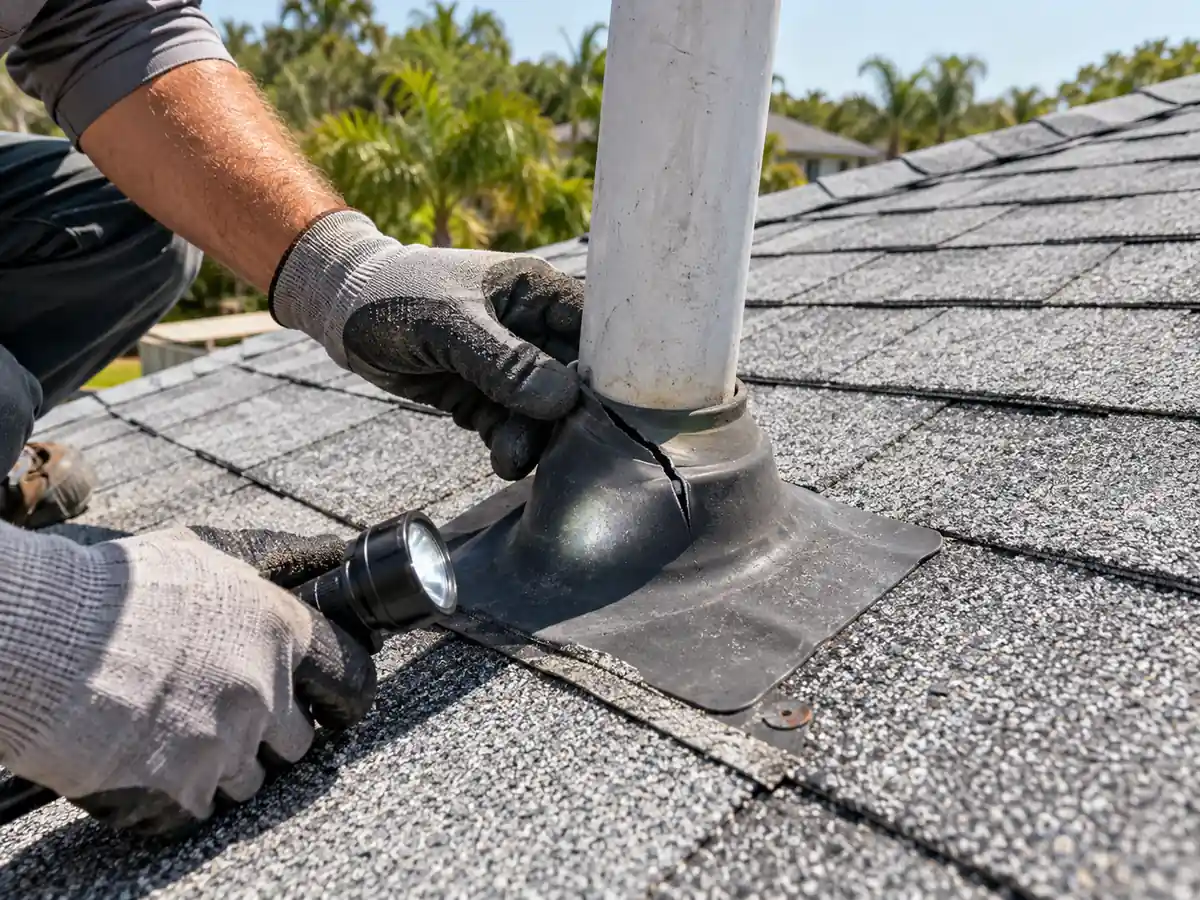
A pre-season inspection is a good idea. Loose shingles, cracked tiles, worn pipe boots and loose flashing are inexpensive to fix before a storm and costly after one. The inspection also gives you dated photos of your roof’s condition, which are useful if you need to file a claim later. Hurricane season runs from June 1 to November 30.
Which areas do you serve for storm damage?
Hi Low responds to storm damage across Greater Orlando, including Orlando, Winter Garden, Windermere, Ocoee, Apopka, Winter Park, Maitland, Horizon West, Dr. Phillips, Lake Nona, Kissimmee, St. Cloud, Clermont, Davenport, Sanford, Lake Mary, Altamonte Springs, Oviedo, Winter Springs, Casselberry, Longwood and Deltona, and in Tampa Bay: Tampa, St. Petersburg, Clearwater, Brandon, Riverview, Wesley Chapel, Largo, Palm Harbor, Plant City and Lakeland. Call 407-287-6171 to confirm service at your address.